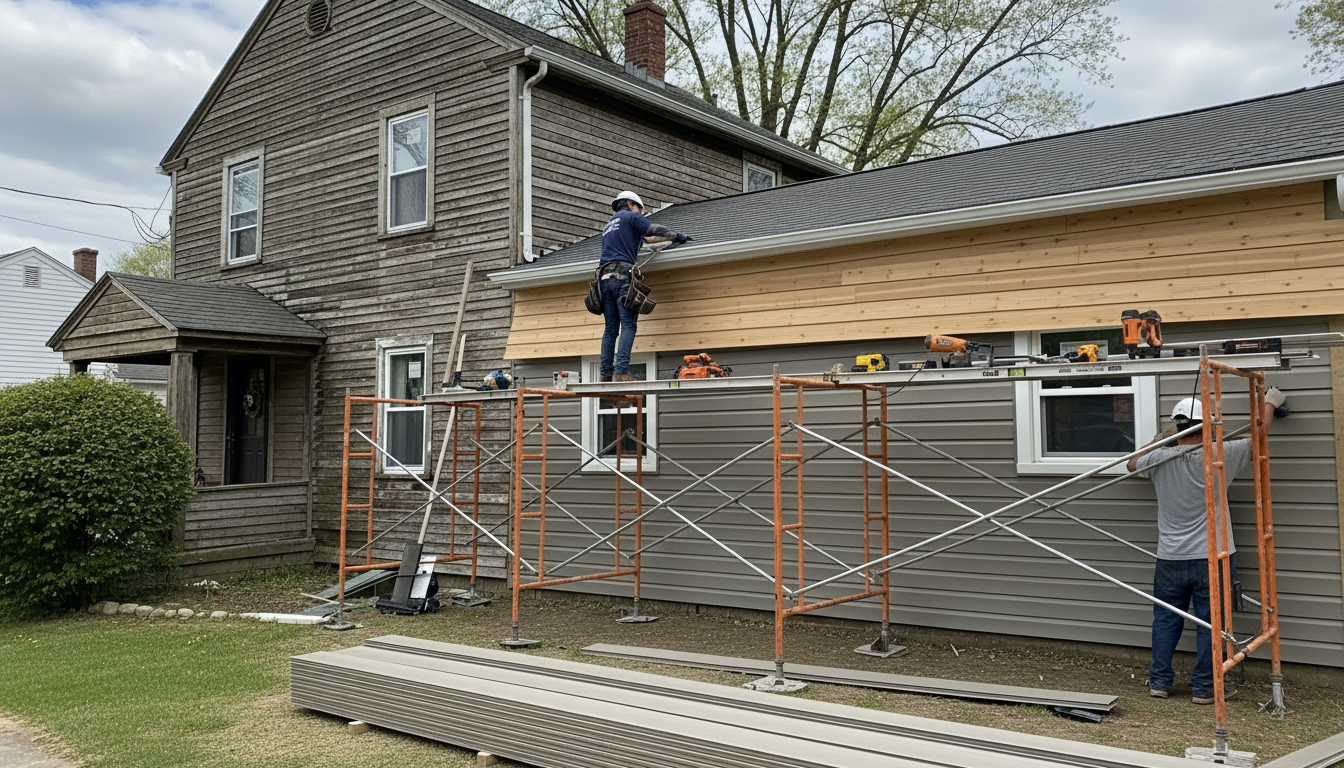
House siding repair can involve anything from replacing a few cracked panels to correcting moisture damage, repairing trim, sealing gaps, or addressing problems around windows and doors. The right solution depends on the type of siding, the extent of the damage, and the condition of the wall beneath it.
For more than 40 years, JVW Roofing has helped homeowners protect and improve their properties through professional roofing and exterior remodeling services. As a licensed contractor, our team provides siding repair, siding replacement, roofing, windows, gutters, doors, and other exterior services.
This guide explains the most common signs of siding damage, what causes siding problems, when repair is appropriate, when replacement may make more sense, and how professional siding repair can protect your home.
What Is House Siding Repair?
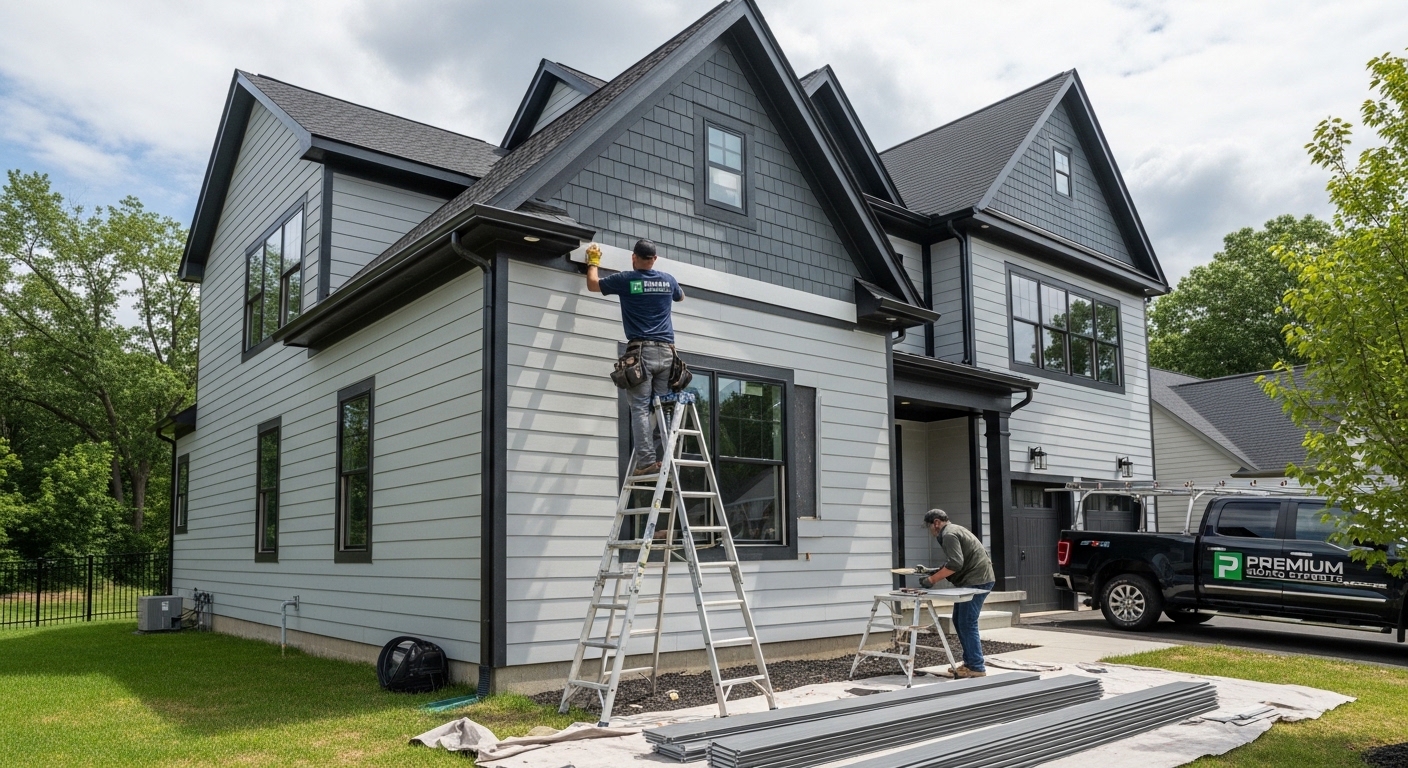
House siding repair is the process of restoring damaged or deteriorated portions of a home’s exterior siding without necessarily replacing the entire siding system.
Depending on the material and type of damage, repairs may include:
- Replacing cracked or broken siding panels
- Securing loose siding
- Repairing damaged trim
- Replacing rotted areas
- Sealing gaps
- Repairing flashing
- Addressing localized moisture damage
- Replacing damaged fasteners
- Correcting minor installation problems
The purpose of a proper repair is not simply to make the siding look better. It should also restore the exterior’s ability to manage moisture and protect the wall assembly.
7 Signs Your House Needs Siding Repair
1. Your Siding Is Cracked or Broken
Cracks are among the most obvious signs that your siding needs attention.
Even a small damaged section can leave the underlying wall more exposed to moisture and weather.
Look for:
- Cracked panels
- Holes
- Splits
- Broken corners
- Missing sections
- Damaged seams
If the damage is isolated, replacing the affected panel or section may be enough.
However, widespread cracking may indicate that the siding system is aging or has experienced significant environmental exposure.
2. Your Siding Is Warped or Buckling
Siding should generally remain properly aligned against the exterior wall. If panels begin to bow, buckle, or pull away from the wall, there may be an underlying issue.
Possible causes include:
- Moisture intrusion
- Improper fastening
- Excessive heat exposure
- Structural movement
- Installation problems
- Material deterioration
Warped siding should be inspected rather than simply pushed back into place.
If moisture is trapped behind the siding, repairing the visible panel without addressing the source can allow the problem to return.
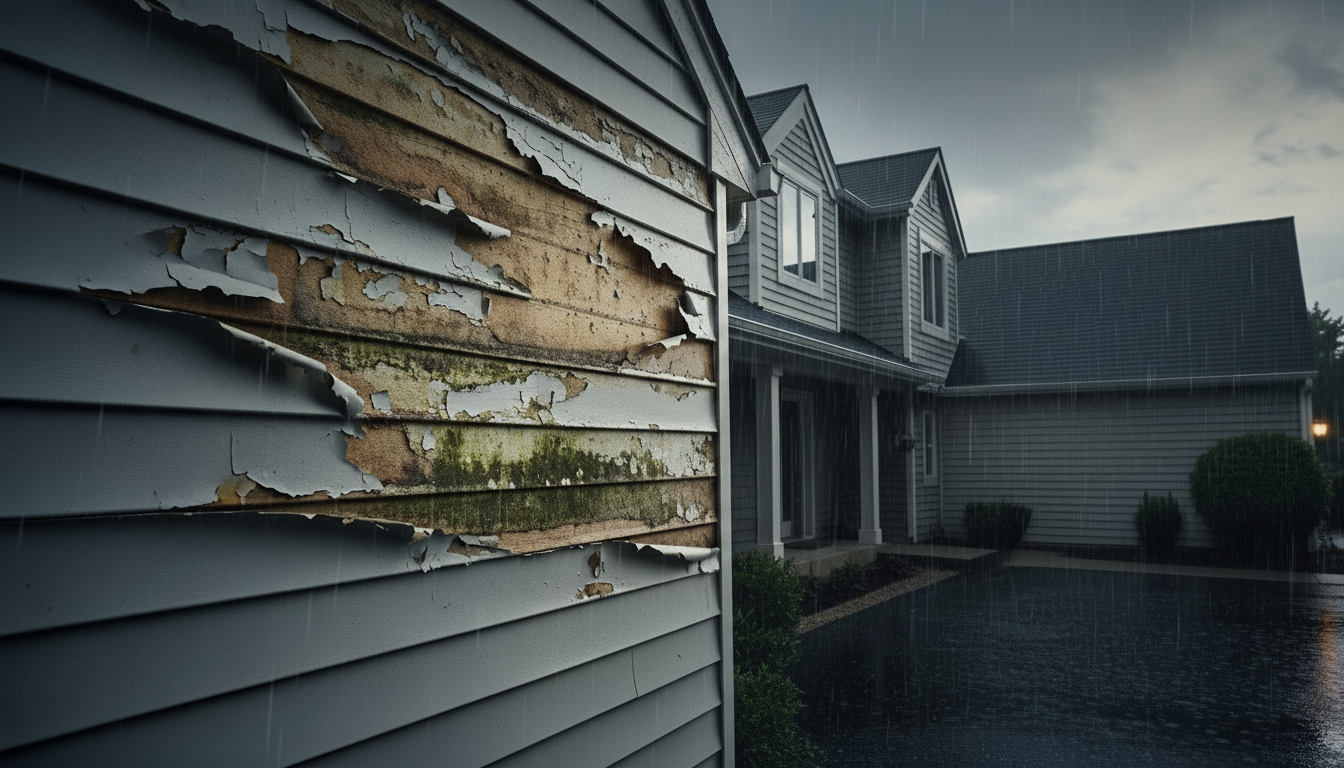
3. You Notice Rot or Soft Areas
Rot is particularly common with wood siding and exterior trim exposed to persistent moisture.
Soft or deteriorated sections may indicate that water has been entering the wall assembly.
Watch for:
- Soft wood
- Dark discoloration
- Crumbling material
- Peeling paint
- Mold or mildew
- Musty odors
Rot should be addressed promptly because moisture damage can spread to nearby materials.
Professional siding repair may involve replacing the affected section and determining why moisture reached the area in the first place.
4. Siding Panels Are Loose or Pulling Away
Loose siding can occur because of:
- Wind
- Aging fasteners
- Improper installation
- Impact damage
- Expansion and contraction
Loose panels can allow wind-driven rain and debris to enter behind the siding.
A professional contractor can determine whether the panel can be securely reattached or whether the surrounding siding also requires repair.
5. You Notice Water Damage Inside the Home
Interior water damage near an exterior wall can sometimes be connected to siding problems.
Warning signs include:
- Water stains
- Peeling paint
- Bubbling drywall
- Damp insulation
- Mold growth
- Musty odors
However, siding is not always the source. Water can enter through windows, doors, roof intersections, flashing, or gutters and travel through the wall assembly.
That’s why identifying the actual source of moisture is essential before beginning repairs.
6. Your Siding Is Faded, Peeling, or Severely Deteriorated
Some fading is normal as siding ages, especially after years of sunlight exposure.
However, severe fading combined with cracking, peeling, brittleness, or frequent maintenance may indicate that the siding is approaching the end of its useful life.
If you’re constantly repainting or repairing the same areas, a complete siding replacement may provide better long-term value.
7. You Keep Repairing the Same Areas
Repeated repairs are often a sign that the underlying problem hasn’t been fully resolved.
For example, if a particular section repeatedly develops:
- Cracks
- Rot
- Moisture stains
- Loose panels
- Paint failure
there may be a problem with water management, installation, flashing, or the condition of the surrounding materials.
In these situations, a professional inspection can determine whether another repair is appropriate or whether replacement is the more practical option.
Common Causes of Siding Damage
Understanding what causes siding problems can help homeowners prevent future damage.
Severe Weather
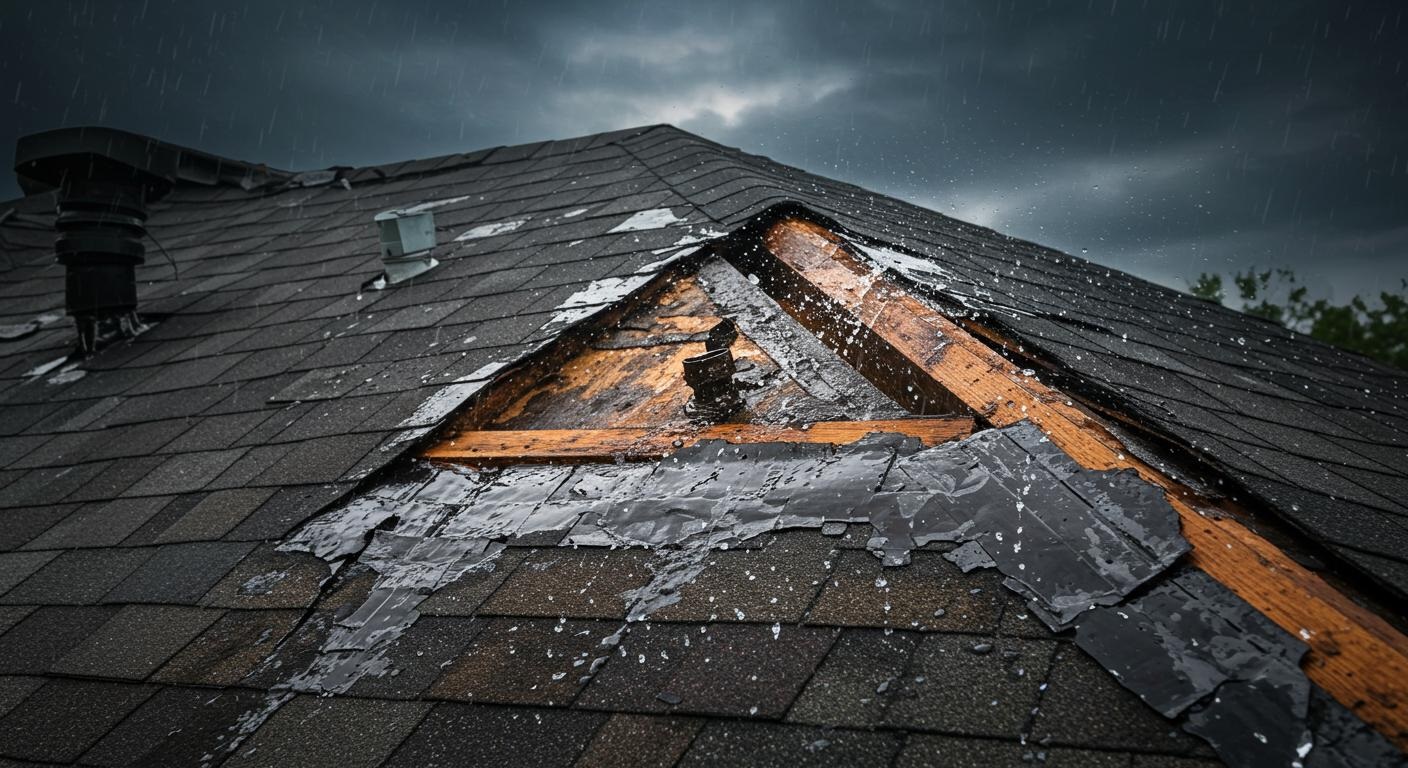
Wind, hail, heavy rain, snow, and falling branches can damage siding.
Storm damage may include:
- Cracked panels
- Dents
- Loose sections
- Missing pieces
- Damaged trim
After a severe storm, inspect the exterior from ground level and consider a professional inspection if you notice anything unusual.
Moisture and Water Intrusion
Moisture is one of the biggest threats to siding and the materials beneath it.
Water can reach siding from:
- Heavy rainfall
- Roof runoff
- Damaged gutters
- Faulty flashing
- Window leaks
- Door openings
- Poor drainage
Because moisture can travel behind exterior materials, the visible damage may not show the full extent of the problem.
Poor Installation
Improper installation can cause siding to perform poorly even when the material itself is high quality.
Common installation problems include:
- Incorrect fastening
- Inadequate expansion gaps
- Improper flashing
- Poor alignment
- Incorrect overlap
- Missing weather-resistant barriers
Professional installation and repair help ensure the siding functions as part of the home’s overall exterior system.
Age and Normal Wear
All siding materials eventually experience weathering.
Over time, siding can become:
- Faded
- Brittle
- Cracked
- Warped
- Less resistant to impact
- More difficult to maintain
Age alone doesn’t necessarily require replacement, but it should be considered when evaluating repair options.
House Siding Repair by Material
Different siding materials require different repair methods.
Vinyl Siding Repair
Vinyl siding is relatively low maintenance and can often be repaired by replacing individual damaged panels.
Common problems include:
- Cracks
- Impact damage
- Loose panels
- Warping
- Fading
Matching the existing profile and color is important for a clean finished appearance.
Fiber Cement Siding Repair
Fiber cement siding is known for its durability, but individual boards or panels can still crack or become damaged.
Repairs may involve replacing the affected section, correcting moisture problems, and properly sealing or finishing the repaired area.
Wood Siding Repair
Wood siding often requires more maintenance than modern alternatives.
Repair may involve:
- Removing deteriorated wood
- Replacing damaged boards
- Sealing exposed areas
- Priming
- Painting or staining
If moisture is responsible for the damage, the source should be corrected before new wood is installed.
Engineered Wood Siding Repair
Engineered wood products can provide an attractive wood-like appearance while offering enhanced consistency and durability.
Localized damage may be repaired by replacing individual sections, provided the surrounding material remains structurally sound.
Can Damaged Siding Be Repaired?
In many cases, yes.
House siding repair is often appropriate when damage is localized and the majority of the siding remains in good condition.
Repair may be a practical option when:
- Only a few panels are affected
- Damage is recent
- The underlying wall is sound
- The siding is relatively new
- Matching material is available
However, repair may not be the best long-term solution when damage is widespread or the siding has reached the end of its service life.
Siding Repair vs. Siding Replacement
Knowing when to repair and when to replace can save homeowners money.
Repair may be better when:
- Damage is localized
- Only a few panels are affected
- There is no widespread moisture damage
- Existing siding is still in good condition
- Repairs can restore proper protection
Replacement may make more sense when:
- Damage affects large areas
- Siding is severely deteriorated
- Moisture problems are widespread
- The siding requires frequent repairs
- The material is near the end of its useful life
- Matching replacement panels are difficult to find
A professional evaluation can help you choose the most cost-effective solution instead of automatically replacing everything.
How Professional House Siding Repair Works
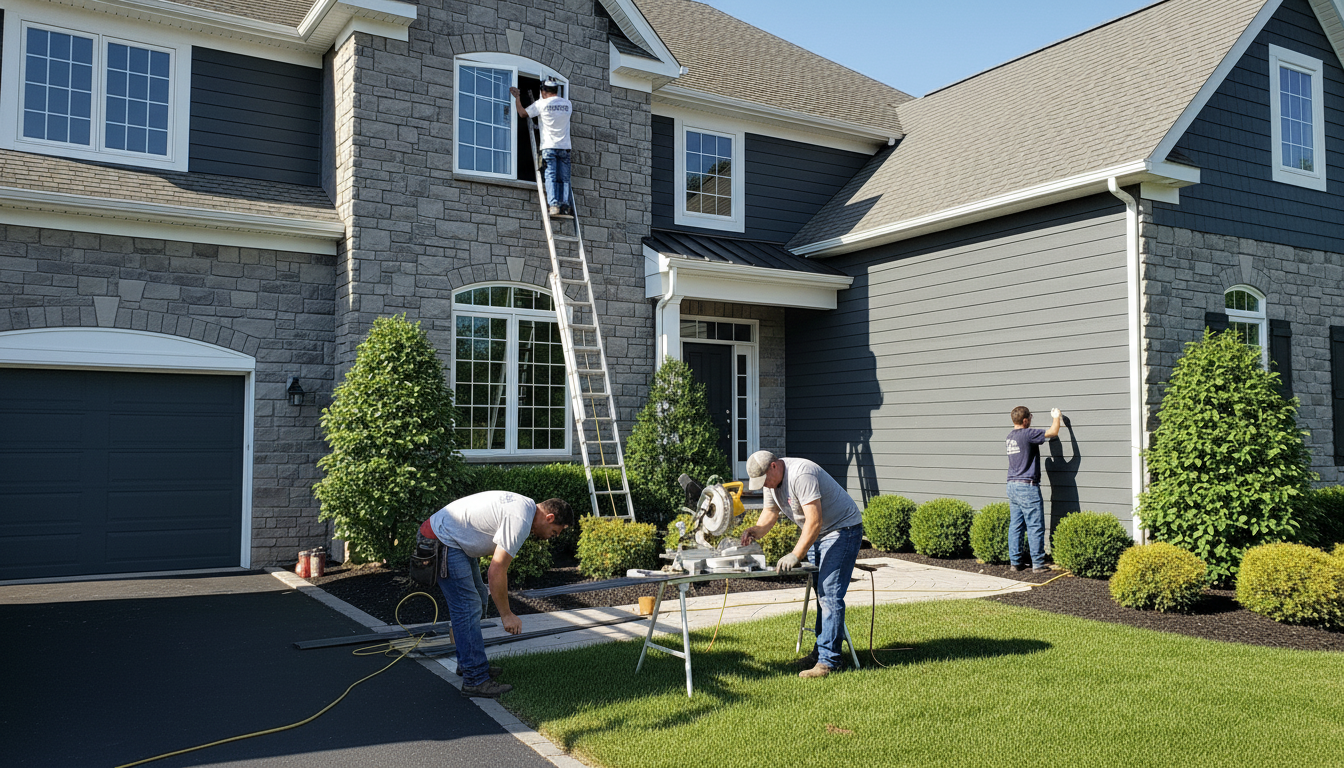
A quality repair begins with finding the cause of the damage.
Step 1: Exterior Inspection
The contractor examines the siding, trim, windows, doors, roof edges, and visible flashing.
Step 2: Identify the Source
The goal is to determine whether the damage resulted from weather, moisture, impact, aging, or installation problems.
Step 3: Remove Damaged Material
Affected siding or trim is carefully removed without unnecessarily disturbing surrounding sections.
Step 4: Inspect the Underlying Wall
The exposed area is checked for:
- Moisture
- Rot
- Damaged sheathing
- Mold
- Deteriorated insulation
Step 5: Make Necessary Repairs
Underlying problems are addressed before replacement siding is installed.
Step 6: Install Replacement Material
New material is installed to match the surrounding siding as closely as possible.
Step 7: Seal and Finish
The repaired area is properly finished around corners, windows, doors, and other transitions.
Step 8: Final Inspection
The contractor checks the finished area for alignment, appearance, secure attachment, and proper moisture protection.
How Much Does House Siding Repair Cost?
The cost of siding repair depends on the size and severity of the problem.
Factors include:
- Siding material
- Number of damaged sections
- Labor requirements
- Accessibility
- Trim repairs
- Moisture damage
- Wall repairs
- Matching material availability
- Painting or finishing requirements
A small vinyl siding repair can be very different from replacing rotted wood siding and repairing the wall beneath it.
For an accurate price, homeowners should request an on-site assessment and written estimate.
How to Prevent Siding Damage
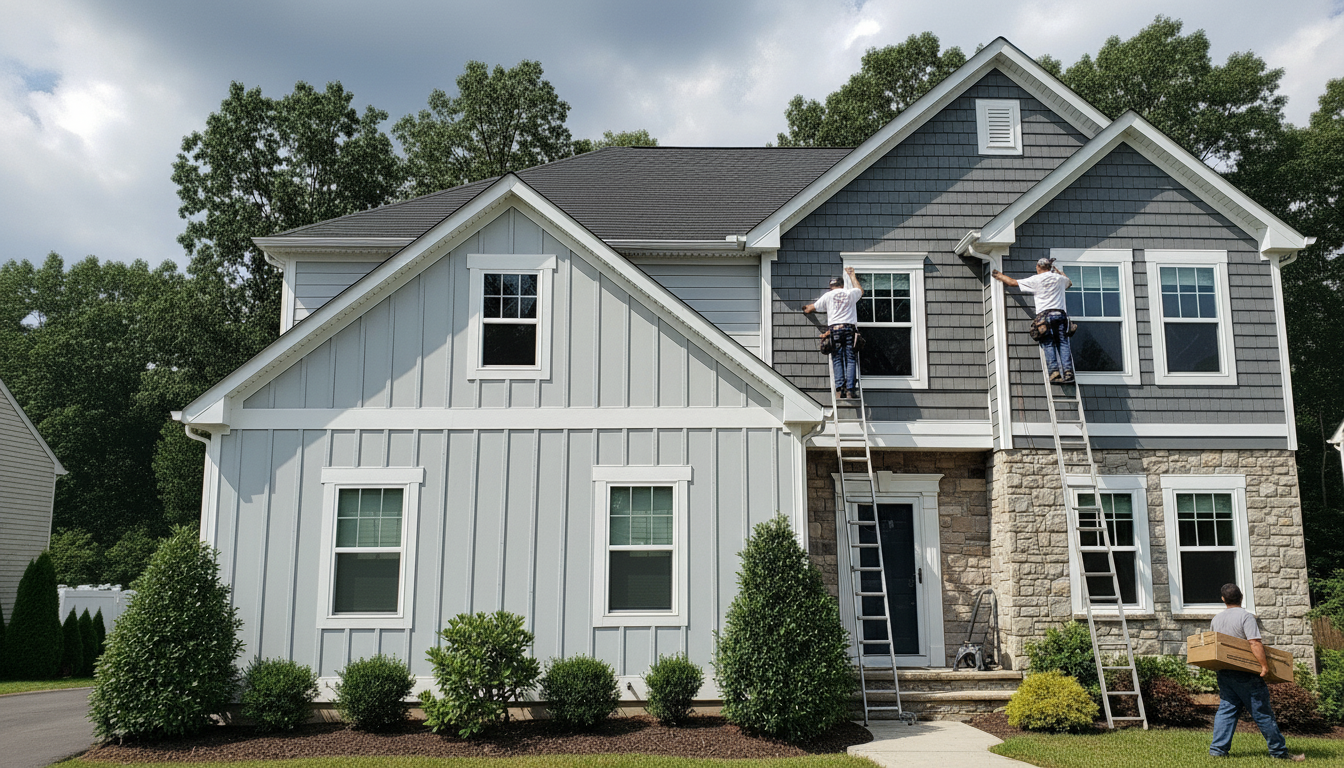
Regular maintenance can extend siding life and reduce repair needs.
Homeowners should:
- Inspect siding annually
- Clean exterior surfaces as appropriate
- Keep gutters functioning properly
- Trim branches away from walls
- Inspect caulking around openings
- Check areas around windows and doors
- Look for loose panels after storms
- Address leaks promptly
- Keep plants from remaining in constant contact with siding
Good drainage and proper maintenance are especially important for preventing moisture-related deterioration.
When Should You Call a Professional?
Some siding problems are straightforward, but others require professional evaluation.
Call a contractor when:
- Siding is extensively damaged
- Rot is present
- Water is entering the home
- Multiple areas are deteriorating
- The wall beneath the siding may be damaged
- The same area keeps failing
- You are unsure whether repair or replacement is needed
A professional can determine whether the visible siding issue is the actual problem or a symptom of a larger exterior issue.
Why Choose JVW Roofing for House Siding Repair?
For more than 40 years, JVW Roofing has helped homeowners protect and improve their properties with professional exterior services.
JVW Roofing is a GAF Certified Plus™ Contractor, Owens Corning Preferred Contractor, and operates under NJ License #13VH14032300.
Our services include:
- House siding repair
- Siding replacement
- Siding installation
- Roof repair
- Roof replacement
- Gutter services
- Window installation
- Window replacement
- Skylight services
- Door services
- Exterior remodeling
Our team focuses on identifying the underlying cause of damage and recommending a practical solution based on the condition of your home.
Frequently Asked Questions
How do I know if my house siding needs repair?
Look for cracks, warped panels, loose siding, rot, water stains, peeling paint, fading, and recurring exterior problems.
Can I repair one section of siding?
Yes. Many siding materials allow individual damaged panels or boards to be replaced when the surrounding siding is still in good condition.
What causes siding to warp?
Warping can result from moisture intrusion, excessive heat, improper installation, structural movement, or material deterioration.
Is siding repair cheaper than replacement?
Usually, localized repair costs less than replacing the entire siding system. However, widespread damage or frequent repairs may make replacement more economical over time.
Can damaged siding cause water damage?
Yes. Damaged siding or improperly managed transitions can allow moisture to reach the wall assembly and potentially cause damage to sheathing, insulation, or framing.
How often should siding be inspected?
An annual inspection is a good starting point, with additional inspections after severe weather or when you notice visible problems.
Final Thoughts
Your home’s siding is an important part of its weather protection and exterior appearance. Cracks, loose panels, warping, rot, moisture stains, and repeated repairs are all reasons to take a closer look at the condition of your siding.
In many cases, house siding repair can restore a localized problem without the expense of full replacement. But when damage is widespread or the siding has reached the end of its useful life, replacement may offer better long-term value.
The most important step is identifying the cause of the damage before repairing the visible symptoms.
With more than 40 years of experience, JVW Roofing provides professional siding repair and exterior remodeling services backed by skilled workmanship and dependable customer service.
Need help with damaged siding? Contact JVW Roofing today for a FREE estimate and professional exterior evaluation.