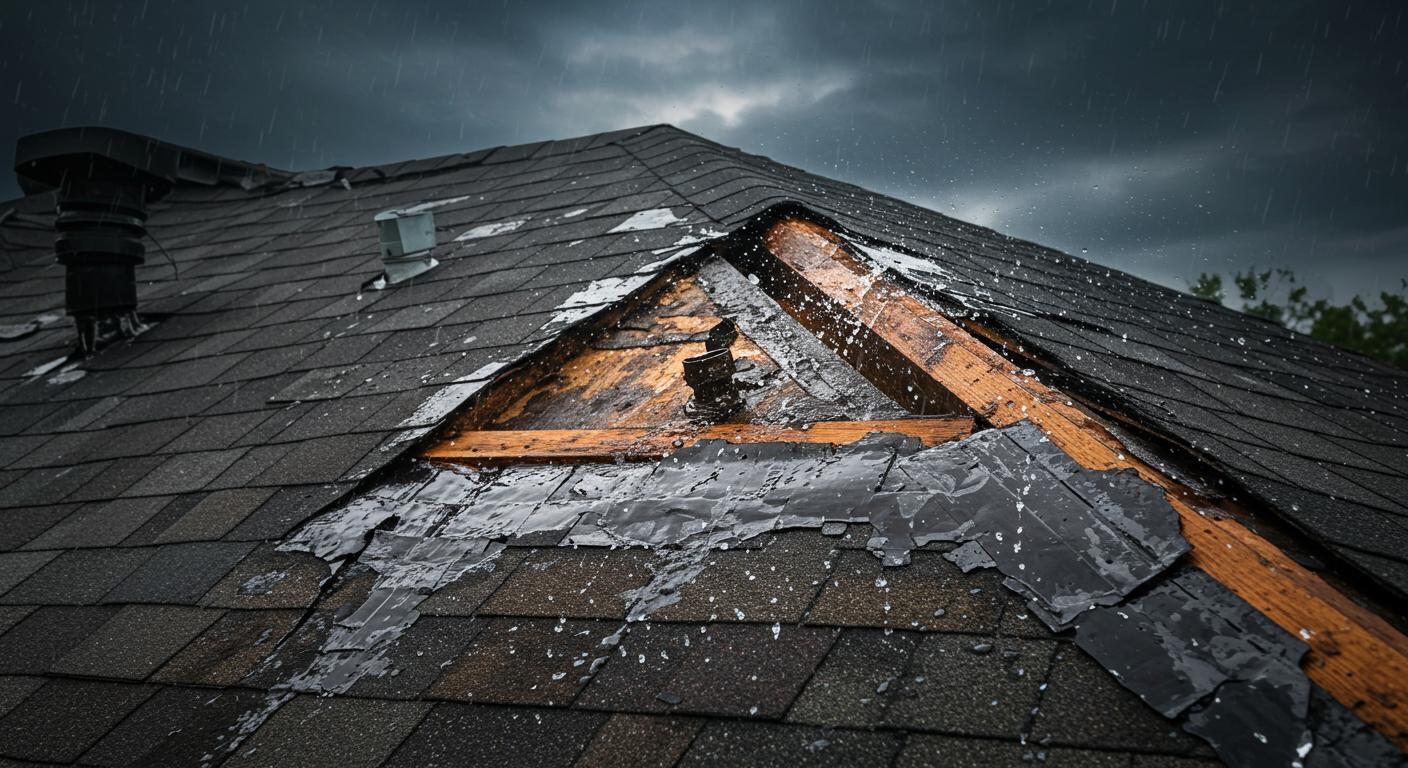
When water starts coming through your ceiling, you need more than general roofing advice. You need to know how to protect your home, what to do immediately, and how to get professional help before the damage becomes more extensive.
Emergency roof leak repair is important when water is actively entering your home, a storm has damaged your roof, or a roofing problem creates an immediate risk to your property.
JVW Roofing provides roofing services for homeowners throughout Central New Jersey, with 24/7 emergency support. This guide explains what to do during a roof leak emergency, how professional repairs work, and when immediate assistance may be necessary.
When Do You Need Emergency Roof Leak Repair?
Not every roofing issue requires an emergency response. However, active water intrusion, storm damage, or structural concerns may require prompt professional attention.
Contact a roofing professional when:
- Water is actively entering your home through the roof or ceiling.
- Heavy rain is worsening an existing leak.
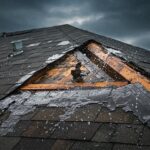
- Strong winds have removed shingles or damaged roofing materials.
- Water is entering around a skylight, chimney, vent, or roof intersection.
- A ceiling is sagging or appears to be holding water.
- A roof has visible damage following a storm.
- A leak is threatening electrical fixtures, equipment, or valuable belongings.
If the ceiling is sagging, electrical systems are affected, or there are signs of structural instability, keep people away from the affected area and seek appropriate emergency assistance. Do not attempt to investigate the damaged roof yourself.
7 Steps to Take During a Roof Leak Emergency
When water starts entering your home, take these steps while arranging professional help.
1. Keep Everyone Away From the Affected Area
Move people and pets away from wet ceilings, sagging drywall, and unstable areas. A water-damaged ceiling may collapse without much warning.
2. Protect Belongings if It Is Safe
Move furniture, electronics, and other valuables away from the water. Use a container to collect dripping water only when it is safe to do so.
3. Take Electrical Hazards Seriously
If water is near lights, outlets, wiring, or electrical equipment, do not touch the affected fixtures. Leave the area and contact a qualified electrician or emergency service as appropriate.
4. Do Not Climb Onto the Roof
Wet shingles, strong winds, darkness, and storm conditions can make roof access dangerous. Wait for a qualified professional to assess the exterior.
5. Never Puncture a Sagging Ceiling
A bulging ceiling may contain trapped water. Puncturing it can release water suddenly and cause material to fall. Keep clear and seek professional assistance.
6. Document Visible Damage Safely
Take photographs of interior water stains, damaged belongings, and visible exterior damage from a safe location. This documentation may help with repair planning and an insurance claim.
7. Contact an Emergency Roofing Contractor
Explain where the water is entering, when the leak started, and whether the problem followed heavy rain or wind. This information helps the contractor assess the urgency and prepare for the visit.
What Causes a Roof to Leak During a Storm?
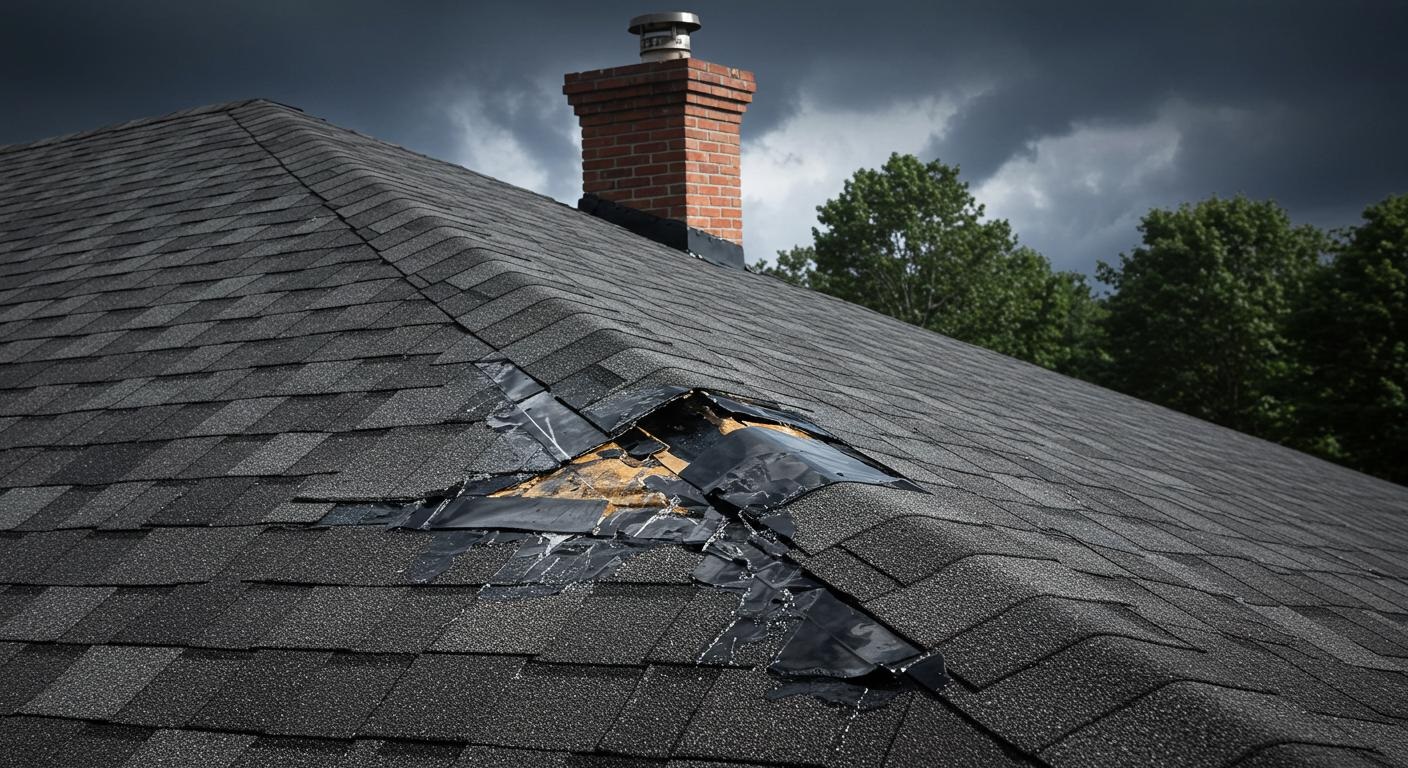
A roof leak can develop because of several different problems. Identifying the actual cause is essential because treating only the visible water stain may leave the underlying issue unresolved.
Damaged or Missing Shingles
Strong winds can loosen or remove shingles, exposing vulnerable areas beneath the roofing surface. Damaged shingles may allow rainwater to reach the underlayment or roof decking.
Failed Roof Flashing
Flashing helps protect vulnerable joints around chimneys, vents, skylights, walls, and other roof penetrations. Damaged or poorly integrated flashing can allow water to enter during heavy rain.
Roof Valleys and Drainage Areas
Roof valleys collect water from adjoining roof sections. Damaged roofing materials or problems with the valley’s water-shedding system can allow moisture to enter the structure.
Skylight Leaks
Water near a skylight may originate from the skylight itself, surrounding flashing, deteriorated roofing materials, or another nearby area. Proper inspection helps establish the actual source.
Damaged Roof Penetrations
Vents, pipes, and other features create openings or transitions in the roof system. If their protective components deteriorate, water may enter around them.
Aging or Deteriorated Roofing Materials
As roofing materials age, they may become brittle, lose protective granules, loosen, or develop other forms of deterioration. The extent of damage determines whether a localized repair is practical.
What Does Professional Emergency Roof Leak Repair Include?
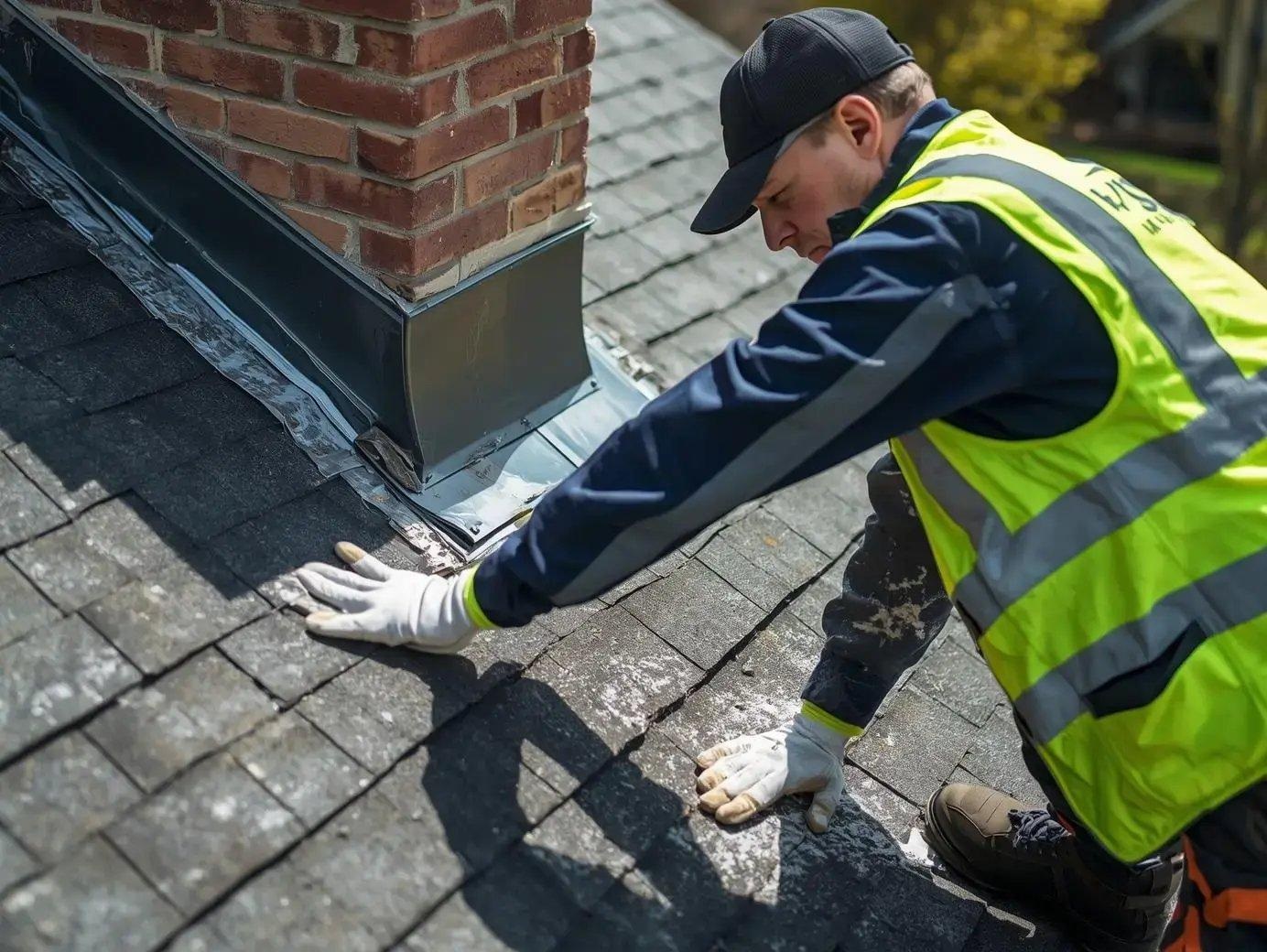
A professional emergency roof leak repair service should focus on making the property safer, identifying the water-entry point, and determining what work is needed.
The exact process depends on the weather, roof accessibility, severity of the leak, and condition of the roofing system.
Initial Assessment
The contractor gathers information about the leak and evaluates visible signs of damage. If conditions make roof access unsafe, the inspection may need to wait until it can be performed safely.
Identifying the Source
The visible indoor stain does not always identify the entry point. Water may travel beneath roofing materials before reaching the ceiling.
A contractor examines relevant roof sections, flashing, penetrations, and other likely sources to determine what needs attention.
Temporary Leak Mitigation
When appropriate and safe, the contractor may recommend temporary measures to reduce further water entry while permanent work is planned. Temporary protection is not always possible during severe weather or unsafe conditions.
Permanent Roof Repair
Once the source is established, the contractor determines whether damaged shingles, flashing, underlayment, or other roofing components require repair or replacement.
Final Assessment
After the repair, the contractor should explain the work completed, identify any remaining concerns, and recommend further work if additional damage has been found.
The goal is to address the underlying cause rather than simply conceal the visible water damage.
Can a Roof Leak Be Repaired During Heavy Rain?
Sometimes, but safety and weather conditions determine what work is possible.
During severe rain, high winds, or lightning, accessing a roof can be extremely dangerous. A contractor may need to wait until conditions improve before carrying out exterior repairs.
When appropriate, temporary measures or other mitigation may be considered to help reduce further damage. However, not every roof can be safely accessed or temporarily sealed during an active storm.
Avoid attempting a DIY roof repair in wet or windy conditions. The risk of falling or damaging the roof further can outweigh any immediate benefit.
When contacting a contractor, explain whether water is actively entering the home and whether the leak is worsening. This helps communicate the urgency of the situation.
Emergency Roof Repair vs. Permanent Roof Repair
Emergency assistance and permanent repair serve related but different purposes.
Emergency response focuses on assessing the immediate risk and reducing further damage where safely possible.
Permanent repair addresses the underlying roofing problem using appropriate materials and installation methods.
For example, temporary protection may help limit water entry after a storm, but damaged shingles or flashing may still require permanent repair once conditions allow.
A professional contractor should explain what was done initially, what remains necessary, and whether another visit is required to complete the work.
When Is Roof Replacement Necessary Instead of Repair?
A roof leak does not automatically mean you need a complete roof replacement.
Repair may be suitable when the damage is limited and the rest of the roof remains in good condition.
Replacement may deserve consideration when:
- Roofing materials have deteriorated extensively.
- Damage affects multiple sections of the roof.
- The roof has recurring problems despite previous repairs.
- Significant underlying damage is discovered.
- The overall roof condition makes continued repairs impractical.
A contractor should evaluate the age and condition of the roof, the extent of damage, and the practicality of repairing the affected areas.
If the roof can be repaired effectively, complete replacement may not be necessary. The recommendation should reflect the actual condition of your property.
What Can Affect Emergency Roof Repair Cost?
The cost of emergency roof repair depends on the damage, work required, roof accessibility, and materials involved.
Factors may include:
- Size and location of the damaged area
- Type of roofing material
- Severity of water intrusion
- Condition of flashing and underlayment
- Roof pitch and accessibility
- Temporary protection requirements
- Labor and material needs
- Additional damage discovered during inspection
A small repair involving a limited number of damaged shingles is very different from a project involving deteriorated roof decking or several damaged roof sections.
Ask the contractor to explain the recommended work, which tasks are urgent, what the estimate includes, and whether further repairs may be needed after the initial emergency response.
What Should You Do After the Leak Has Been Stopped?
Stopping the immediate leak is only part of the process. Water may already have affected interior materials.
After the roof has been made safe and the water entry addressed:
Check for interior moisture. Look for staining, damp drywall, wet insulation, and affected flooring without entering unsafe areas.
Document the damage. Keep photographs and records of affected areas and completed repairs.
Address water-damaged materials. Depending on the extent of moisture, professional drying or remediation may be necessary to reduce the risk of ongoing damage.
Follow up on recommended roofing work. Temporary measures may need to be followed by permanent repairs once conditions allow.
Monitor the affected area. New staining or moisture may indicate that further assessment is required.
A repaired roof should be evaluated for the original problem and any additional damage that may have occurred.
How to Choose an Emergency Roofing Contractor
When water is entering your home, it can be tempting to hire the first available contractor without checking the details.
Urgency matters, but homeowners should still seek clear communication and an understandable scope of work.
Before authorizing the repair, ask:
- What is the likely source of the leak?
- Is the proposed work temporary or permanent?
- Which roofing components need attention?
- What is included in the estimate?
- Will additional damage be documented and explained?
- What warranty applies to the repair?
- Is follow-up work required after the weather improves?
Choose a contractor who explains the situation clearly and does not promise a permanent solution before the roof has been properly assessed.
Why Choose JVW Roofing for Emergency Roof Leak Repair?
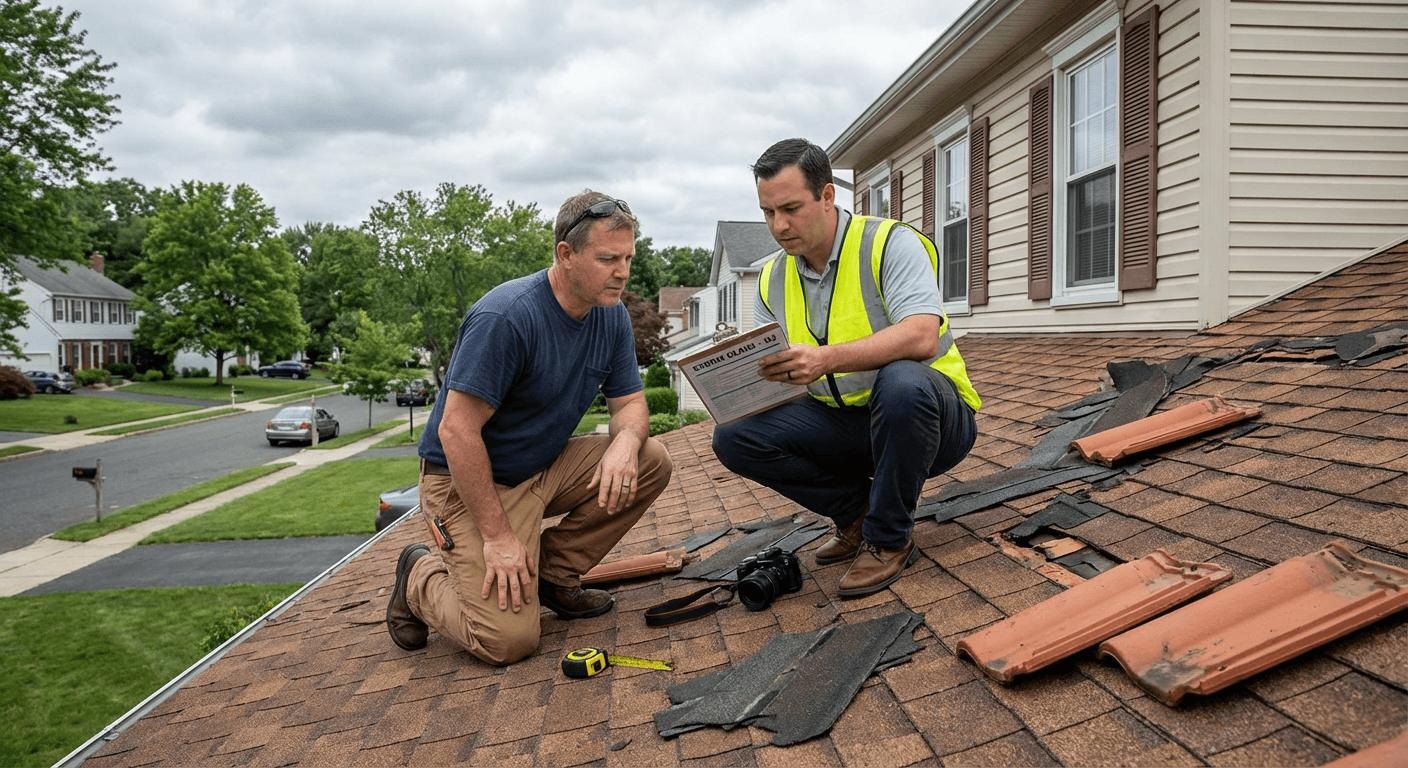
When a roof leak threatens your home, you need a contractor who can assess the roofing problem and explain the next steps.
JVW Roofing has more than 40 years of experience serving homeowners in New Jersey and provides professional roofing and exterior home improvement services.
Homeowners can rely on JVW Roofing for:
- More than 40 years of experience
- NJ Licensed Contractor #13VH14032300
-
GAF Master Elite® Contractor - Owens Corning Preferred Contractor
- 24/7 emergency support
- A no-pressure, consultative approach
- Professional roofing and exterior services
- Service throughout Monmouth, Ocean, Middlesex, and Mercer Counties
- FREE estimates
Our approach focuses on understanding the roofing problem and explaining the available options. The appropriate solution depends on the source of the leak, the condition of the roof, and whether temporary mitigation or permanent repair is required.
Rather than assuming every leak requires roof replacement, the goal is to evaluate the actual condition and recommend work that fits the situation.
Emergency Roof Leak Repair in Freehold and Central New Jersey
Homeowners in Freehold and surrounding areas may experience roof leaks after heavy rain, strong winds, or other weather-related events.
JVW Roofing serves homeowners throughout Monmouth, Ocean, Middlesex, and Mercer Counties.
If water is entering your home, explain the location of the leak, when it began, and whether the problem followed a storm. If there are signs of structural instability or electrical danger, keep people away from the affected area and seek appropriate emergency assistance.
JVW Roofing offers a consultative approach and FREE estimates for homeowners who need to understand their roofing repair options.
Frequently Asked Questions
What should I do first when my roof starts leaking?
Keep people away from unsafe areas, protect belongings if it is safe, avoid electrical hazards, and contact a roofing professional. Do not climb onto a wet or damaged roof.
Can an emergency roof leak be fixed the same day?
The timing depends on weather, accessibility, the source of the leak, material availability, and the extent of damage. A contractor can explain what can be addressed safely and what may require follow-up work.
Is temporary roof leak protection a permanent repair?
Not necessarily. Temporary measures may help reduce water entry, but damaged roofing materials or flashing may still require permanent repair.
Can I repair a roof leak myself during a storm?
Climbing onto a wet or windy roof is dangerous. It is safer to keep away from the damaged area and contact a professional rather than attempt an exterior repair during severe weather.
Does every roof leak require roof replacement?
No. Many leaks can be repaired when the damage is localized and the rest of the roof remains in suitable condition. Replacement depends on the extent and overall condition of the roof.
How do I know if water is coming from the roof?
Water stains can result from roof leaks, plumbing leaks, condensation, or other sources. A professional assessment can help identify the origin rather than relying only on the location of the indoor stain.
Will a roofing contractor inspect the roof during bad weather?
Safety conditions determine whether an exterior inspection can be performed. During severe weather, the contractor may need to wait until the roof can be accessed safely.
What information should I provide when requesting emergency roof repair?
Describe where the water is entering, when the leak started, whether it worsens during rain, any visible damage, and whether electrical fixtures or sagging ceilings are involved.
Get Emergency Roof Leak Repair Help From JVW Roofing
When a roof leak develops, quick and safe action matters. Protect people first, avoid climbing onto a damaged roof, and arrange professional help to identify the source of the water entry.
The right emergency roof leak repair depends on the condition of the roof and the extent of the damage. Some situations require immediate mitigation followed by permanent repair, while others may be resolved through a localized roofing repair.
JVW Roofing has more than 40 years of experience serving homeowners throughout Monmouth, Ocean, Middlesex, and Mercer Counties and provides 24/7 emergency support.
Contact JVW Roofing to discuss your roof leak and request a FREE estimate.