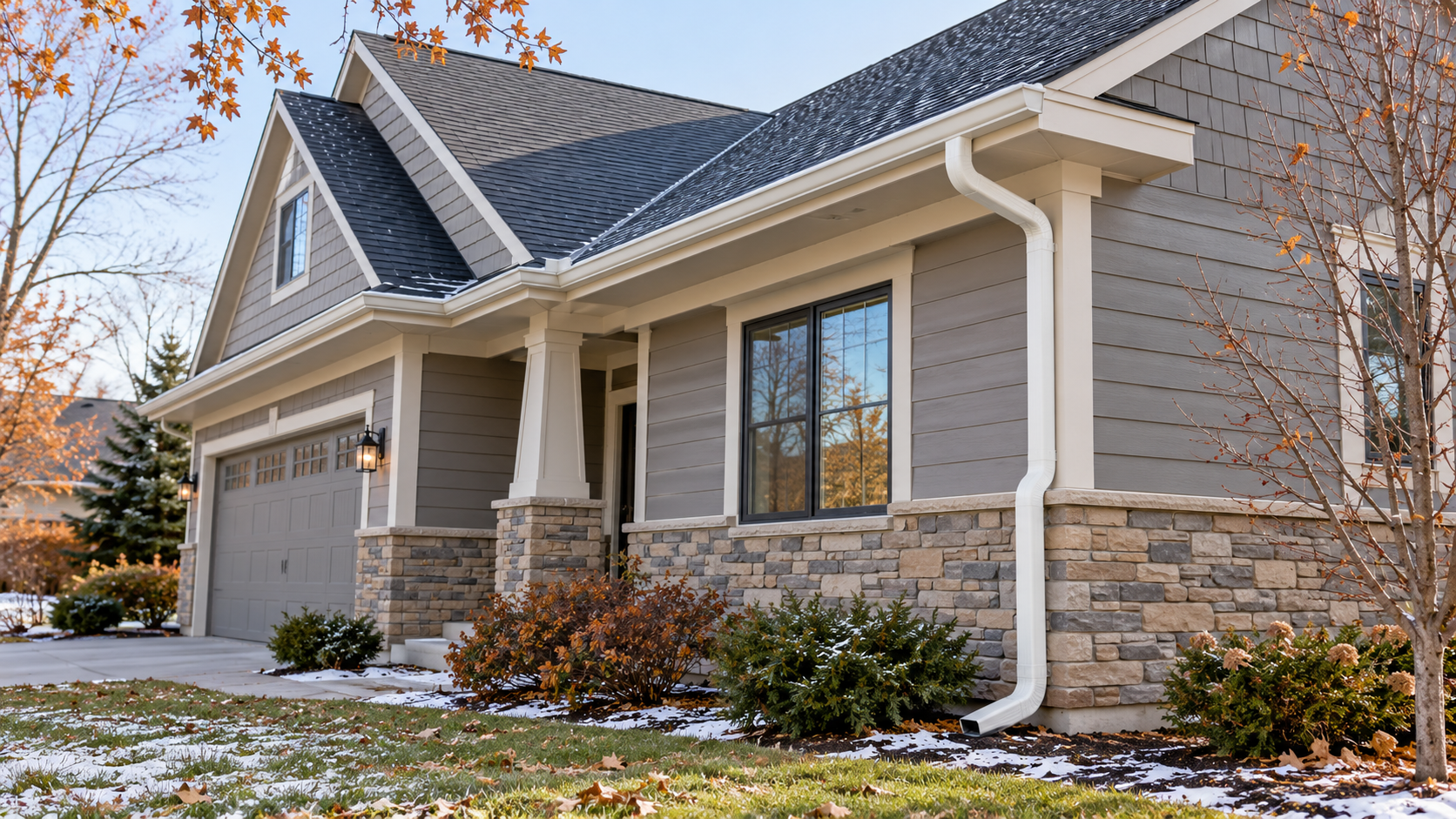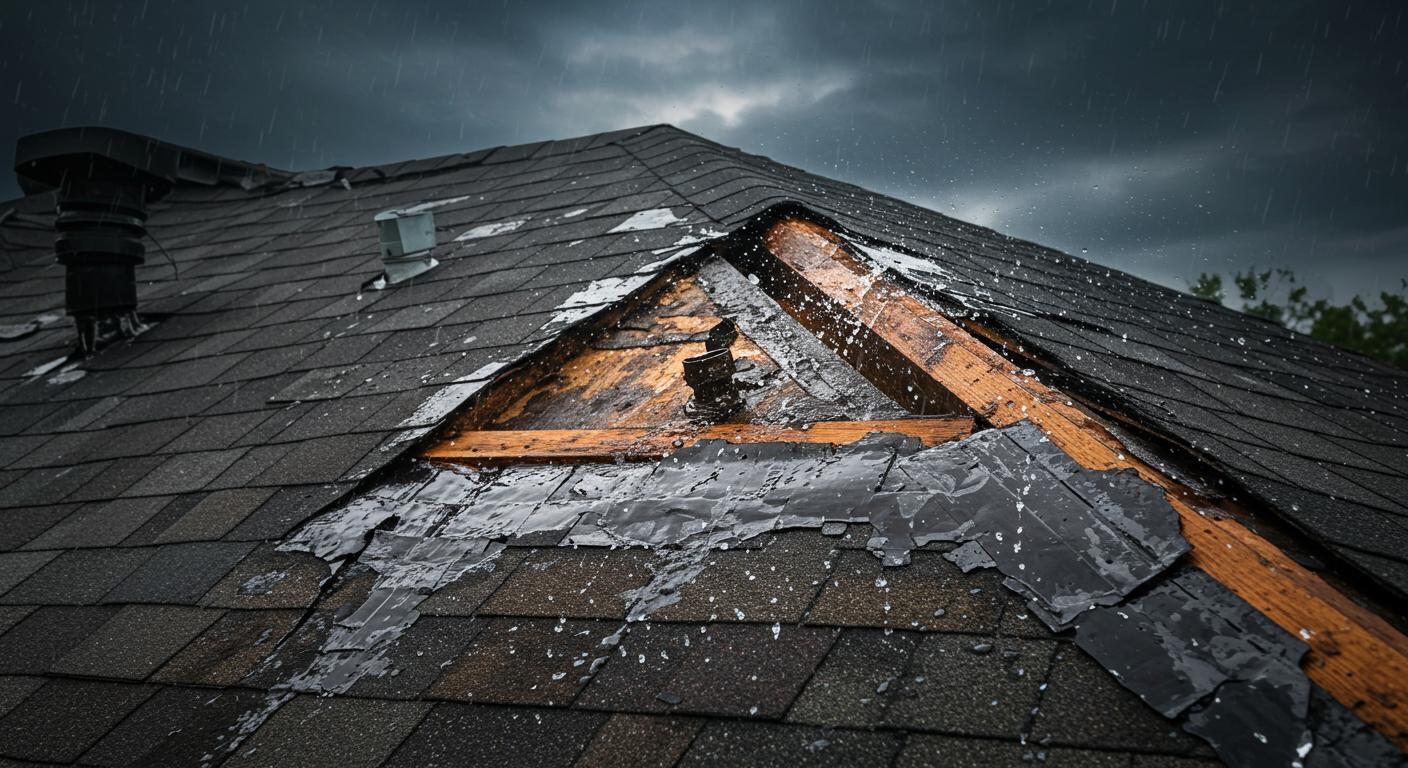
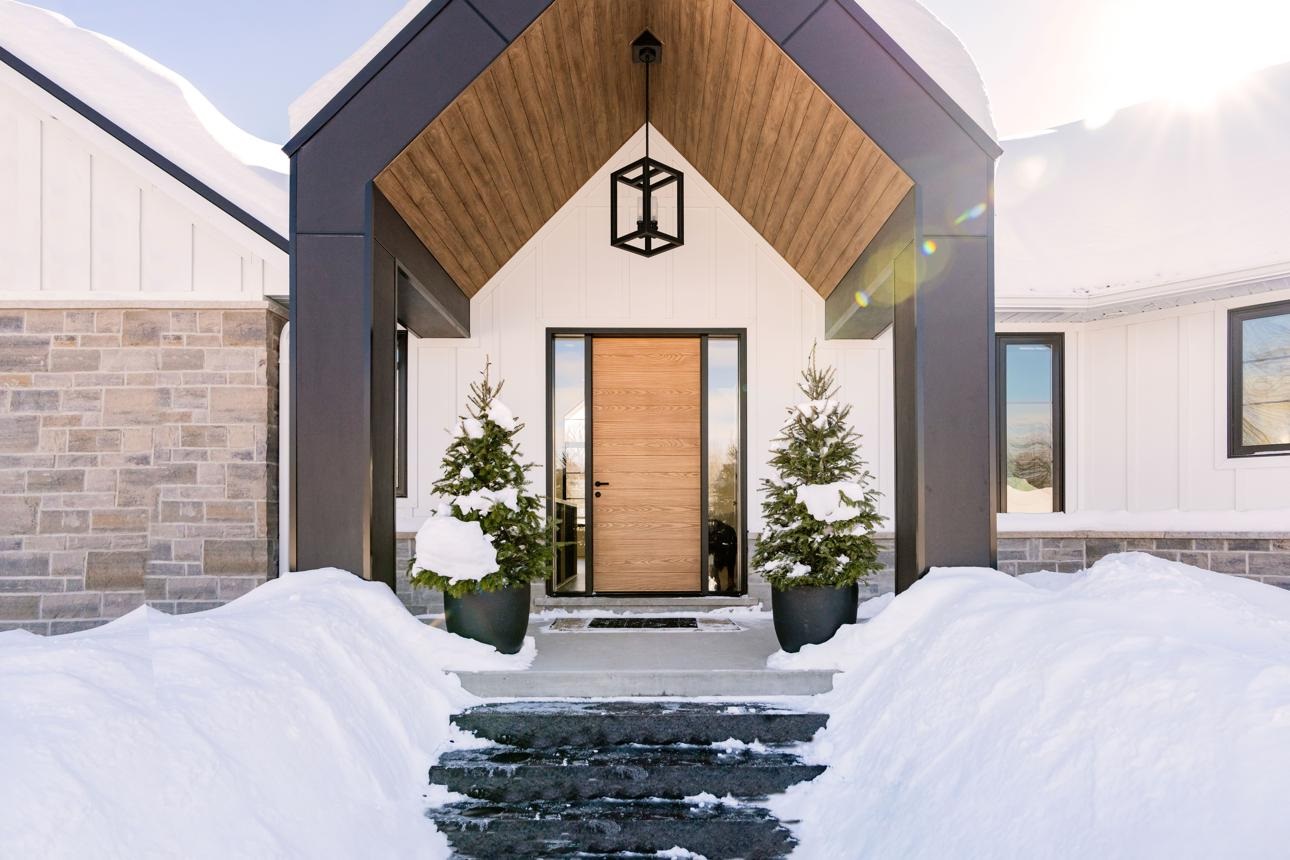
When cold weather arrives, a poorly sealed exterior door can make your home feel uncomfortable. Cold drafts, uneven indoor temperatures, and gaps around the frame may indicate that your door is no longer providing an effective barrier against the elements. If you are searching for door installation near me, winter is a useful time to assess your home’s entry doors and determine whether replacement could improve comfort, security, and everyday functionality.
A well-installed exterior door does more than improve curb appeal. The door, frame, threshold, weatherstripping, and hardware must work together to create a reliable seal. Choosing an appropriate door and installing it correctly can help reduce unwanted air leakage and protect the entrance from rain, wind, and changing temperatures.
This guide explains seven winter-ready door upgrades, common warning signs, door options, and what to look for when hiring a professional installer.
Why Door Installation Matters During Winter
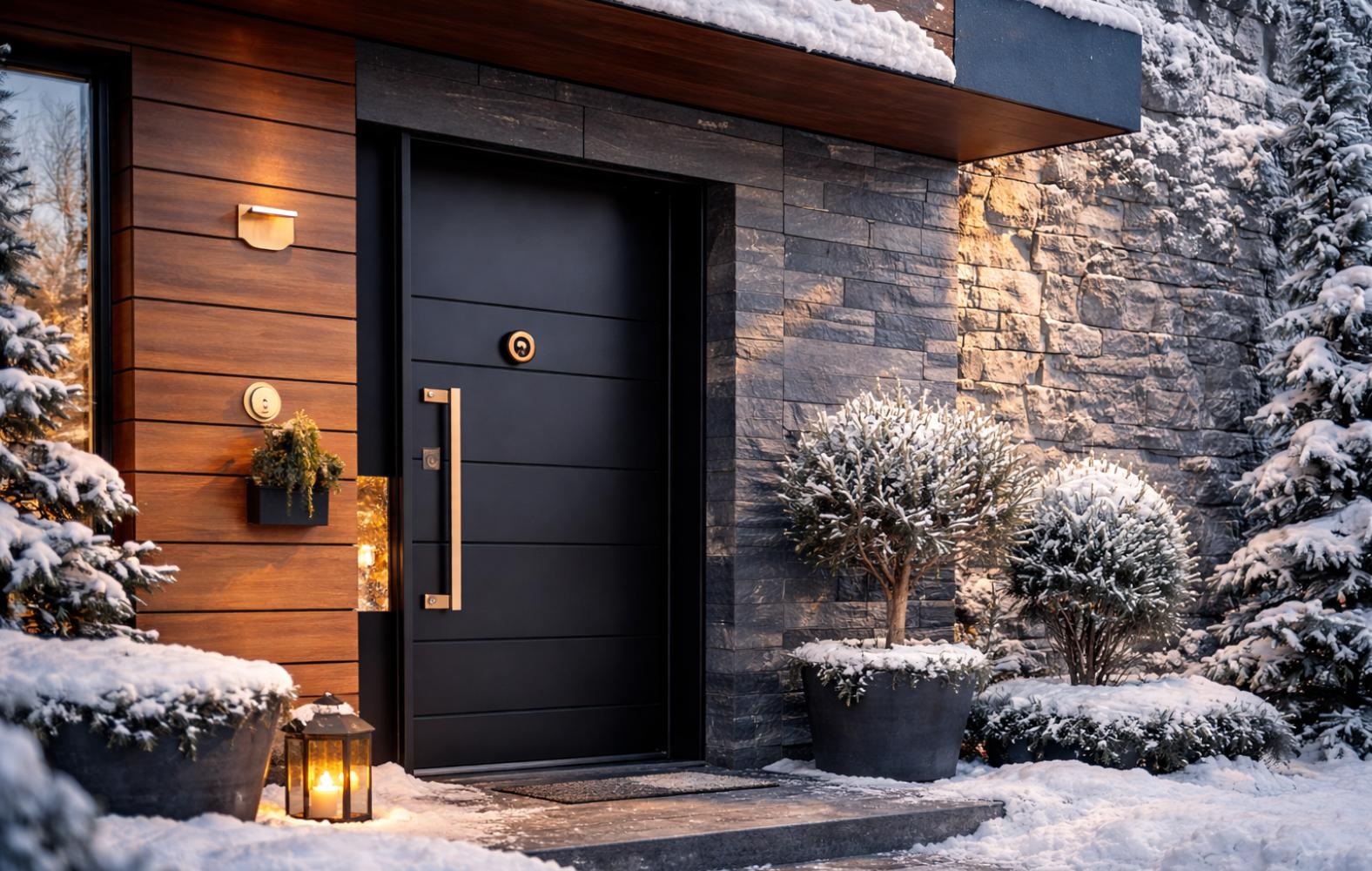
Exterior doors are exposed to cold air, wind, rain, and repeated temperature changes. As materials age, weatherstripping may deteriorate, frames may shift, and doors may become harder to close securely. Even a good-quality door can perform poorly when it does not fit its frame correctly.
Air leakage around an entrance may contribute to cold spots and make indoor temperatures harder to maintain. Moisture entering through damaged seals can also affect nearby trim, flooring, and the door frame.
Professional installation addresses the complete door opening—not just the door slab. Correct measurements, a properly fitted frame, suitable sealing materials, and secure hardware all contribute to a better result.
7 Winter-Ready Benefits of Professional Door Installation
1. Reduce Cold Drafts Around Entry Doors
One of the first things homeowners notice during winter is cold air moving around the front or back door. Drafts may come through worn weatherstripping, gaps beneath the door, loose trim, or an incorrectly fitted frame.
A replacement door can help address these issues when the existing unit is damaged or no longer fits properly. During installation, the contractor should check the opening and ensure that the door closes evenly against its seals.
However, replacing the door alone will not solve every draft. If air is entering through the surrounding wall, trim, or another opening, those areas may also need attention.
2. Improve Indoor Comfort With Better Insulation
An exterior door that provides little insulation may feel cold to the touch and allow more heat to pass through than a suitable modern alternative. Door performance depends on the material, construction, glass features, seals, and overall installation quality.
When comparing options, look for insulated door designs appropriate for your climate. Some doors include insulated cores, while models with glass may offer insulated glazing to reduce heat transfer.
The most suitable choice depends on the entrance and your home’s needs. Correct installation is equally important because gaps around an otherwise efficient door can undermine its performance.
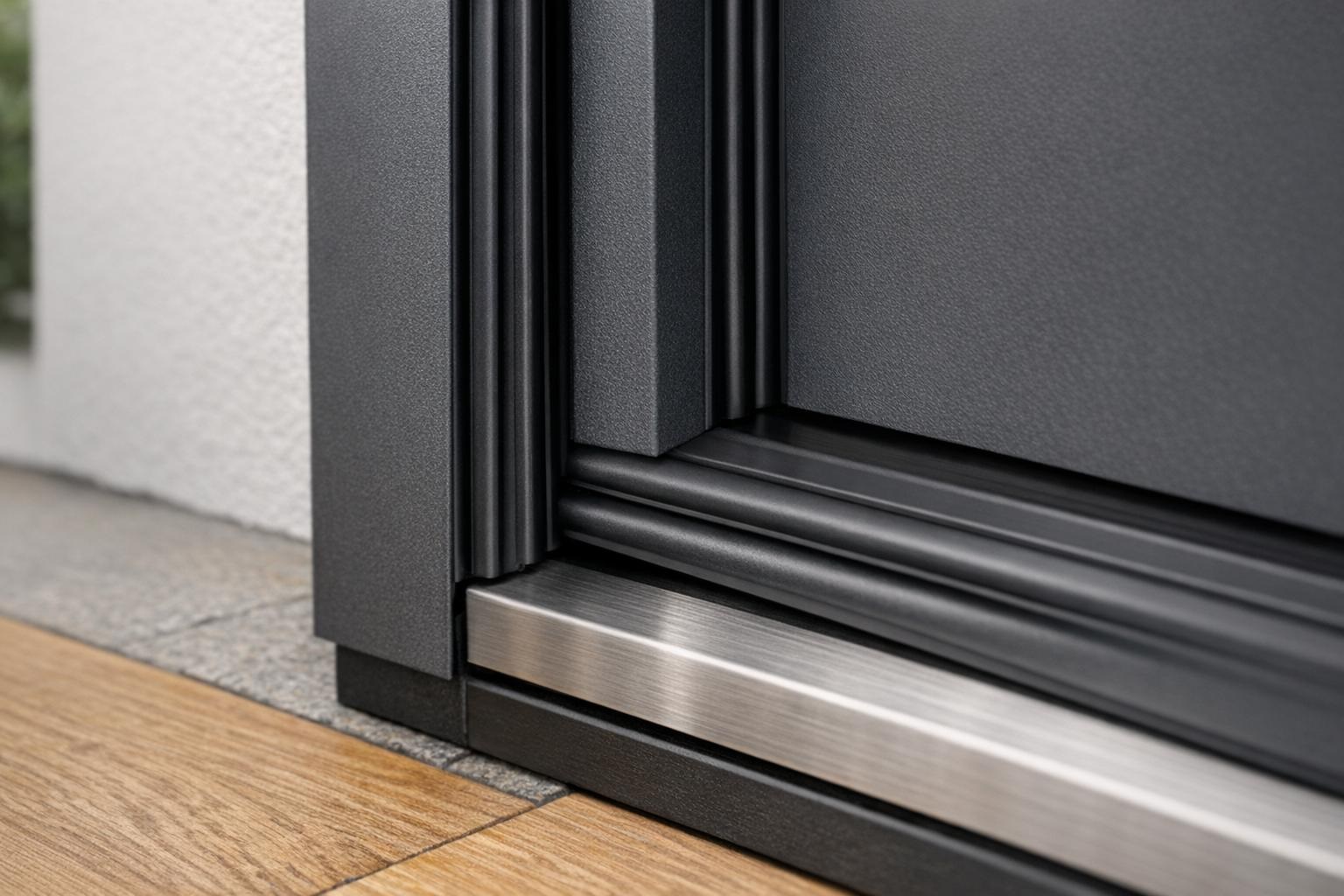
3. Replace Damaged Weatherstripping and Door Seals
Weatherstripping helps create a seal between the closed door and its frame. Over time, it can become compressed, brittle, torn, or detached. A worn bottom sweep or threshold seal may also let cold air, dust, or moisture enter.
Not every sealing problem requires a complete replacement. If the door and frame are in good condition, repairing or replacing the seals may be sufficient. But when the frame is warped, the door is damaged, or gaps remain after adjustments, a new door installation may be the more practical long-term solution.
A professional assessment helps identify whether the issue is isolated to the seals or affects the entire door unit.
4. Ensure the Door Frame Closes and Locks Properly
A door that sticks, rubs against the frame, or fails to latch consistently may have alignment problems. Seasonal changes in temperature and humidity can affect some materials, but persistent issues may also indicate loose hinges, frame movement, or damage.
A properly fitted door should swing smoothly and close without excessive force. The latch and locking hardware should engage as intended, and the frame should be secure.
If the frame has moisture damage or significant warping, installing a new door without correcting the underlying problem may not deliver a lasting result. The opening should be inspected before replacement work begins.
5. Strengthen Home Security With a Modern Entry Door
Winter comfort matters, but an exterior door must also provide reliable everyday security. A door that does not close tightly, has a damaged frame, or cannot latch correctly should not be ignored.
When considering a new front door, review the quality of the frame, hinges, locking hardware, and overall construction. A secure installation requires the hardware to align correctly and attach firmly to suitable framing.
A modern entry door can also refresh the look of your home’s exterior. Choose a design that complements the house while meeting your practical needs for durability, privacy, and ease of use.
6. Consider a Storm Door for Extra Weather Protection
A storm door can provide an additional layer in front of an existing exterior entry door. Depending on its design, it may help protect the main door from direct exposure to weather and provide an additional barrier against drafts when properly fitted.
Storm doors come in different configurations, including full-view glass models and designs with interchangeable or ventilating panels. Consider how the door will be used, how much sunlight enters the area, and whether airflow is important during warmer months.
The main entry door and storm door must have enough clearance to operate safely and smoothly. A professional can check the entrance layout and recommend a suitable option.
7. Upgrade Sliding Glass or Patio Doors
Sliding glass and patio doors can bring natural light into a home, but older units may develop worn tracks, damaged seals, difficult operation, or noticeable drafts. These issues can become more frustrating when cold weather arrives.
If your sliding door is difficult to open, no longer seals properly, or has damaged components, an inspection can establish whether repair or replacement is appropriate.
When choosing a replacement, consider insulated glazing, frame construction, secure locking hardware, and the quality of the weather seals. Correct installation helps the panels move properly and maintain contact with their seals when closed.
Signs You May Need a New Exterior Door
Not every door problem requires replacement, but several warning signs deserve attention:
- Persistent drafts: Cold air continues to enter around the door after basic seal checks.
- Visible gaps: The door does not sit evenly within the frame.
- Moisture or rot: The door or frame shows swelling, soft wood, peeling finishes, or water damage.
- Difficulty closing: The door sticks, scrapes, or requires unusual force.
- Locking problems: The latch or lock does not align reliably.
- Damaged glass or panels: Cracks, failed seals, or other damage affect the door’s performance.
The cause matters. A simple hardware adjustment may be enough for a minor problem, while extensive damage or a poorly fitted unit may justify a full replacement.
Which Door Is Best for Winter?
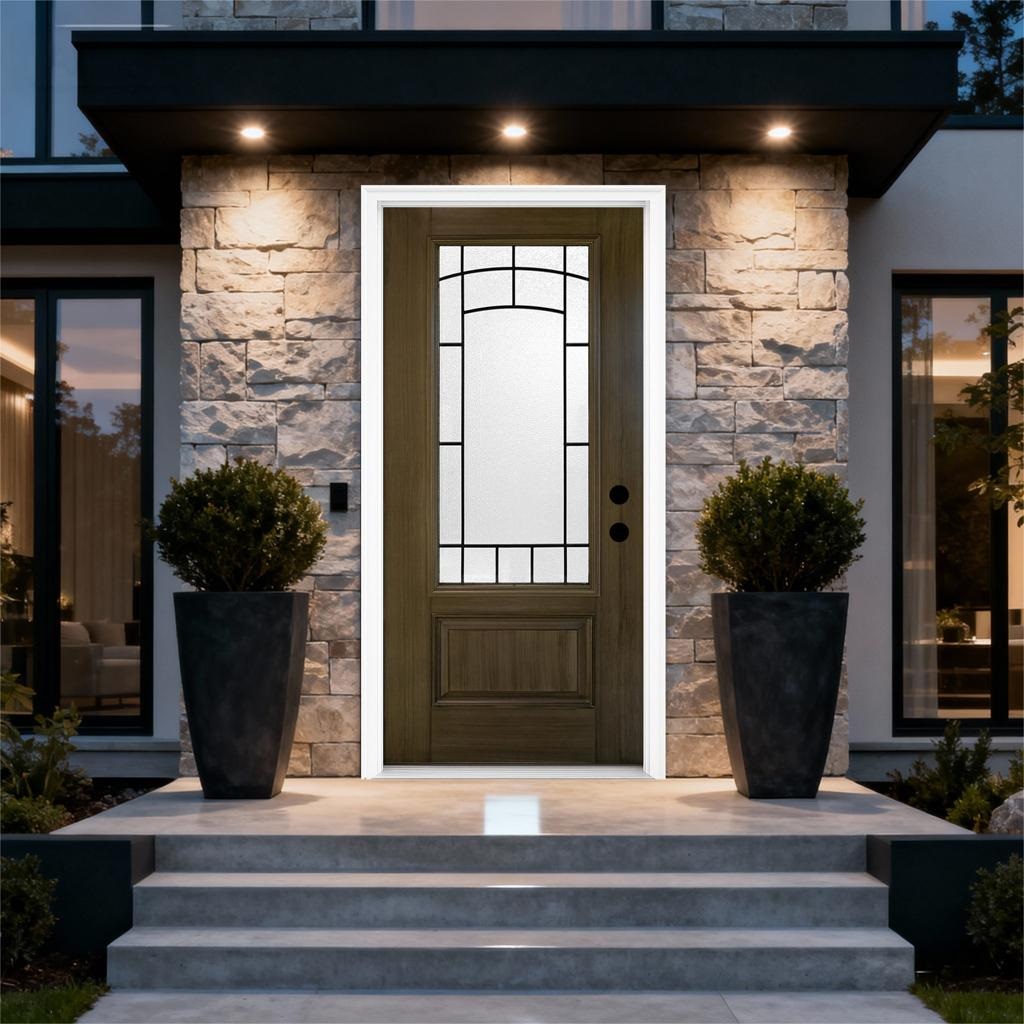
The right choice depends on where the door is installed, how exposed the entrance is, and the balance between appearance, comfort, and maintenance.
Fiberglass entry doors are often considered for their durability and insulated construction options. Their appearance can suit many home styles, and some finishes are designed to resemble painted or stained wood.
Steel entry doors can provide strength and may include an insulated core. Their long-term performance depends on product quality, protective finishes, installation, and maintenance.
Wood doors offer a traditional appearance but need appropriate finishing and care to help protect them from moisture and weather exposure.
Insulated glass patio or sliding doors can suit entrances where natural light and outdoor access are priorities. Review the glazing performance, frame design, weather seals, and locking system when comparing models.
There is no single best door for every property. Ask the installer to explain which features fit the opening, exposure, and practical requirements of your home.
What to Expect During Professional Door Installation
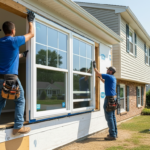
A professional installation should begin with an assessment of the existing door and opening. The process generally includes measuring the opening, checking the frame, confirming the chosen unit’s dimensions, and identifying any damage that needs correction.
The installer then removes the old door when replacement is required, prepares the opening, and fits the new door and frame. Proper fastening, alignment, and suitable weather-resistant sealing are important for dependable performance.
Before the job is complete, the door should be checked for smooth operation, even clearances, secure latching, and reliable sealing. Sliding or patio doors should also be tested for smooth movement and correct locking.
Ask what the work includes, whether frame repairs are needed, which materials will be used for sealing, and what product or workmanship warranties apply.
How to Choose a Door Installation Contractor Near You
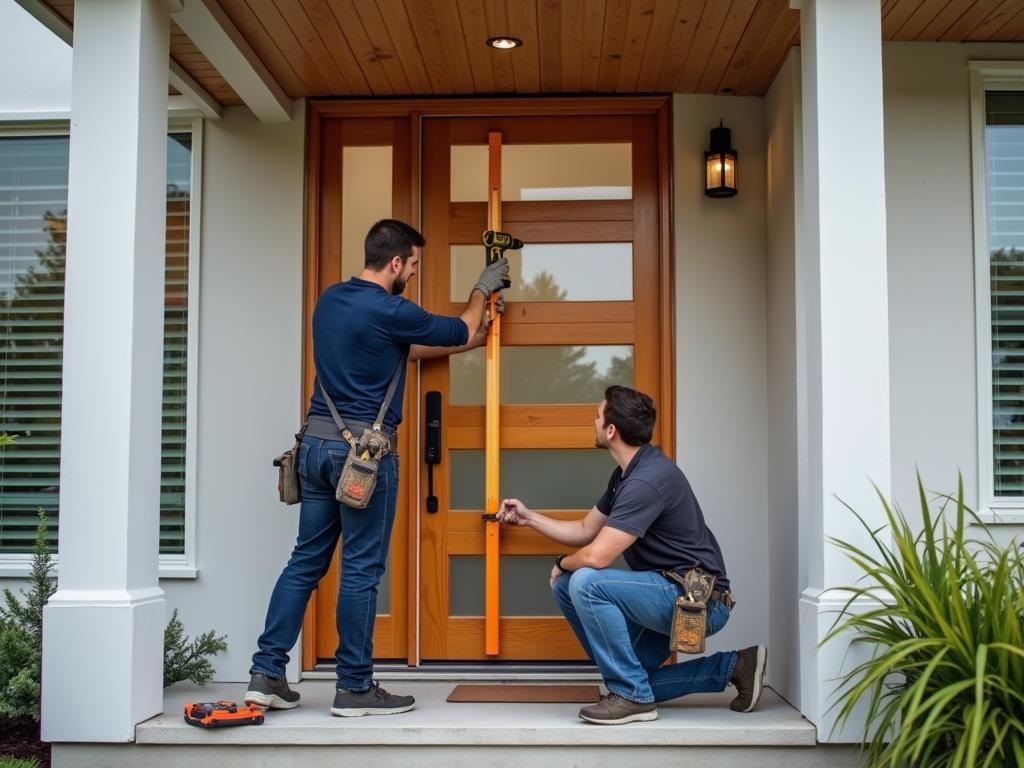
When searching for door installation near me, look for a contractor who explains the available options and assesses the existing opening before recommending replacement.
JVW Roofing has more than 40 years of experience serving homeowners under NJ License #13VH14032300.
Review the contractor’s experience with the type of door you need, insurance and relevant credentials, product choices, installation scope, and written estimate. Ask how the team addresses gaps, damaged framing, weather seals, and hardware alignment.
Avoid making a decision based on the door’s appearance alone. Proper measurements and installation details play a major role in how the finished door performs during cold, windy, and wet weather.
Homeowners in Central New Jersey can explore JVW Roofing’s exterior door installation services. The company lists entry doors, sliding glass doors, patio doors, and storm doors among its available options.
Frequently Asked Questions
Is winter a good time to replace an exterior door?
It can be, especially when an existing door has significant drafts, damage, or security problems. The contractor should account for weather conditions and protect the opening during the work.
Will a new door eliminate every draft?
Not necessarily. A properly fitted door can reduce air leakage around the door unit, but drafts may also originate from wall cavities, trim, windows, or other openings.
Should I repair or replace a drafty door?
Repair may be suitable when the door is structurally sound and the problem is limited to weatherstripping, hardware, or minor alignment. Replacement may be appropriate when the door or frame is extensively damaged or consistently fails to seal.
Can I replace a front door without replacing the frame?
Sometimes. It depends on the condition, dimensions, and compatibility of the existing frame. A contractor should inspect it before confirming the scope of the job.
Get Your Home Ready for Colder Weather
A reliable exterior door helps protect your home from drafts, weather exposure, and everyday security concerns. Before winter conditions become more severe, check for gaps, damaged seals, moisture problems, and doors that no longer close properly.
Ready to replace a drafty or damaged door?
Contact JVW Roofing today for a FREE estimate at +1-908-907-8870 and get your door installed correctly before winter sets in.