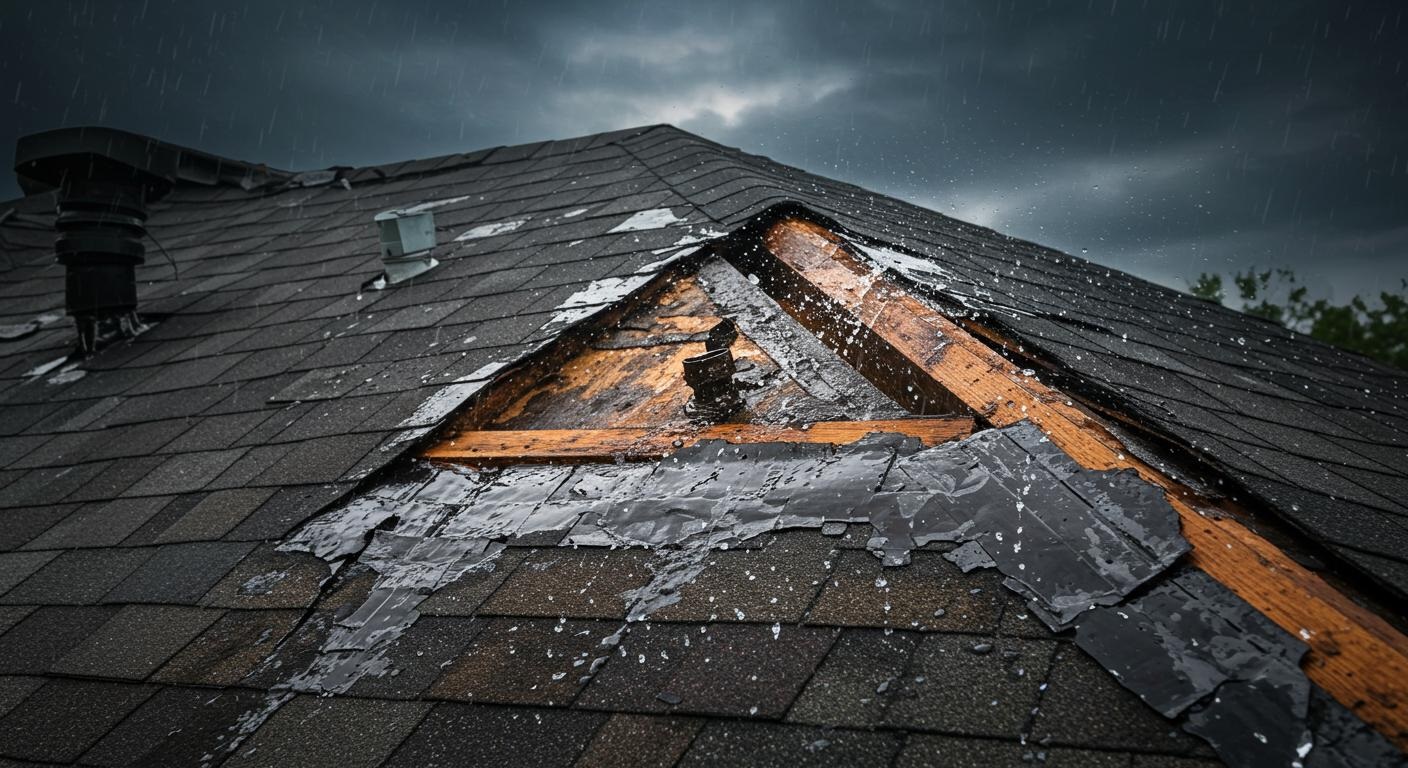
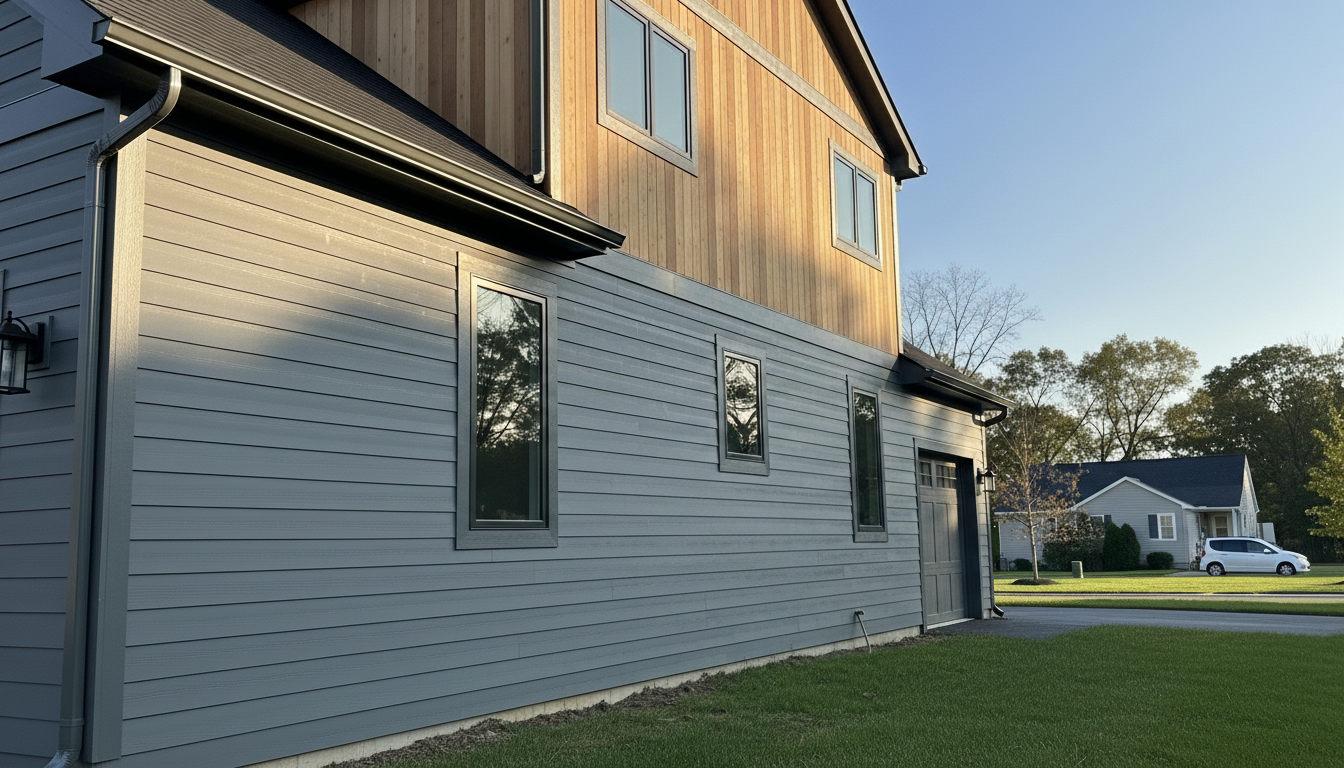
Searching for siding replacement near me usually means your home’s exterior is showing signs of damage, aging, or deterioration. Cracked panels, warped siding, fading colors, moisture problems, and rising maintenance costs can all indicate that your siding may be reaching the end of its useful life.
At JVW Roofing, we’ve been serving homeowners for more than 40 years. As a licensed contractor, our team provides professional siding replacement, siding installation, roofing, windows, gutters, and other exterior home improvement services.
This guide explains the most important signs that your siding may need replacement, the materials available, what the replacement process involves, and how to choose a reliable local siding contractor.
What Is Siding Replacement?
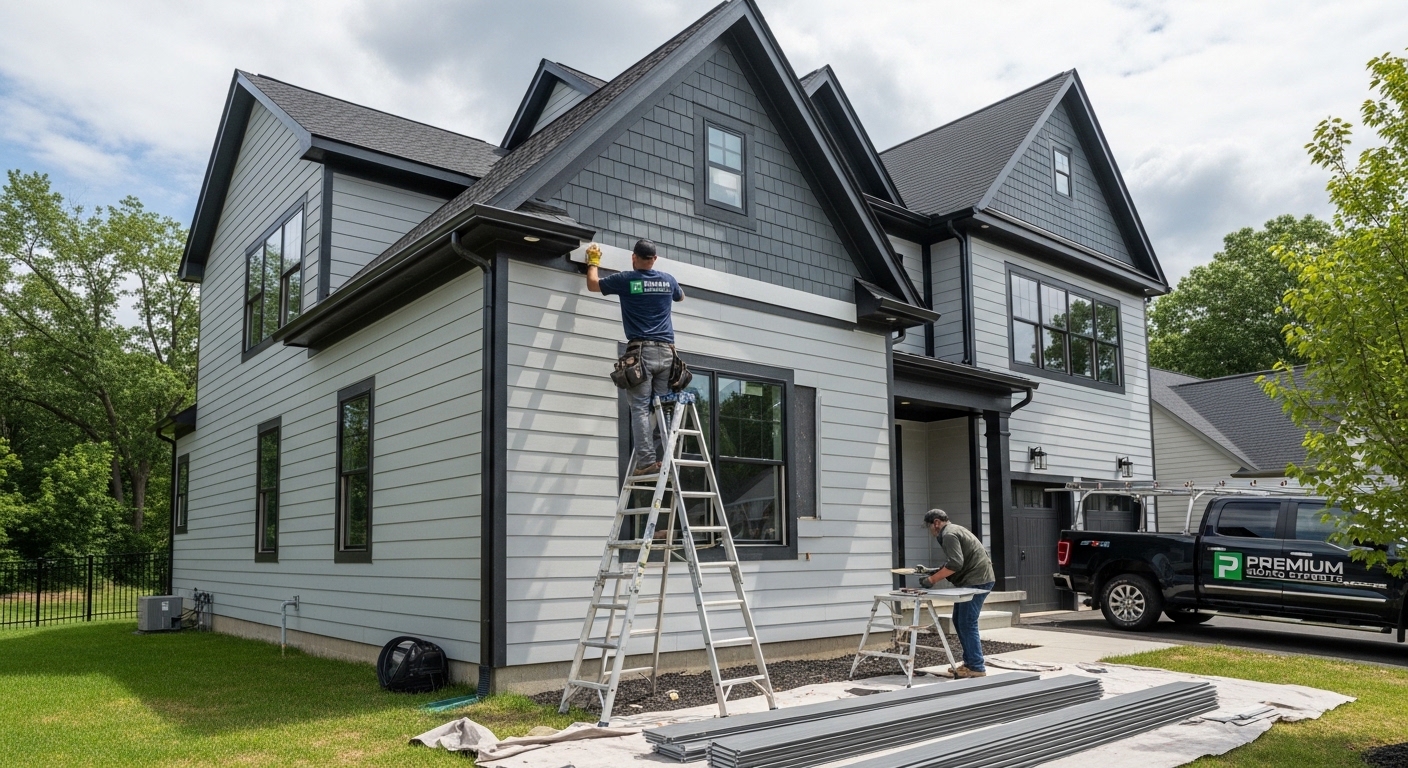
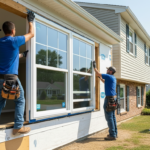
Siding replacement is the process of removing deteriorated exterior siding and installing a new siding system designed to protect and improve the home’s exterior.
Depending on the condition of the existing siding, the project may involve:
- Removing old siding
- Inspecting the wall surface
- Replacing damaged areas
- Installing weather-resistant barriers
- Repairing flashing
- Installing new siding panels
- Sealing vulnerable areas
- Finishing around windows and doors
- Inspecting the completed installation
A professional siding replacement should address both appearance and water management. Simply covering damaged siding without addressing moisture or structural problems can allow underlying issues to continue.
7 Signs You Need Siding Replacement
Knowing when to replace siding can help you avoid larger exterior repair problems.
1. Your Siding Is Cracked or Broken
Cracks are one of the easiest signs of siding deterioration to spot.
Small cracks may initially seem harmless, but damaged panels can allow water and moisture to reach areas that should remain protected.
Look for:
- Cracked panels
- Broken corners
- Holes
- Splits
- Missing pieces
- Damaged seams
If damage is limited to a small area and the siding is otherwise in good condition, repair may be possible.
However, widespread cracking often indicates that replacement is a better long-term solution.
2. Your Siding Is Warped or Buckling
Warped siding should never be ignored.
Panels may become distorted because of:
- Moisture intrusion
- Improper installation
- Excessive heat
- Aging materials
- Structural movement
When siding pulls away from the wall or develops noticeable waves, it can leave gaps where water can enter.
A professional inspection can determine whether the problem is limited to the siding or whether moisture has affected the underlying wall.
3. You Notice Rot or Soft Areas
Wood siding is particularly vulnerable to moisture-related deterioration, but water can affect other siding systems as well.
If you press on a section of siding and it feels unusually soft, there may be moisture damage behind it.
Potential warning signs include:
- Soft siding
- Rotting trim
- Discolored wood
- Musty odors
- Peeling paint
- Moisture stains
Rot should be addressed quickly because it can spread to surrounding materials.
4. Your Siding Is Fading or Peeling
Some fading is normal as siding ages and is exposed to sunlight.
However, severe fading, peeling, or discoloration can indicate that the material is approaching the end of its service life.
If your siding requires frequent painting or maintenance to maintain its appearance, replacement may provide better long-term value.
Modern siding products are available in a wide variety of colors and finishes designed to maintain their appearance with relatively little maintenance.
5. You See Water Damage Inside Your Home
Interior water damage near exterior walls can sometimes be connected to siding problems.
Watch for:
- Water stains
- Bubbling paint
- Peeling wallpaper
- Damp drywall
- Mold or mildew
- Musty odors
Water can enter through damaged siding, flashing, window openings, or other exterior components.
This is why a professional inspection should consider the entire exterior rather than focusing only on the visible siding.
6. Your Energy Bills Are Increasing
Siding itself isn’t the only factor affecting energy efficiency, but deteriorated exterior materials can contribute to problems with the building envelope.
Gaps, damaged siding, inadequate insulation, and moisture intrusion can affect indoor comfort.
If certain rooms feel unusually hot or cold, it may be worth having the exterior wall system evaluated.
During a siding replacement project, homeowners may have an opportunity to improve:
- Insulation
- Weather barriers
- Air sealing
- Moisture management
A properly installed exterior system can help create a more consistent indoor environment.
7. Your Siding Requires Constant Repairs
If you’re repeatedly repairing cracked panels, replacing damaged sections, repainting, or addressing moisture problems, replacement may make more financial sense.
Frequent repairs can become expensive over time.
A new siding system can provide:
- More consistent appearance
- Better weather protection
- Reduced maintenance
- Improved curb appeal
- Updated exterior design
- Long-term durability
Instead of repeatedly addressing individual symptoms, replacement addresses the condition of the exterior as a whole.
Siding Repair vs. Siding Replacement
One of the first questions homeowners ask when searching for siding replacement near me is whether they actually need replacement.
The answer depends on the extent and cause of the damage.
Siding repair may make sense when:
- Damage is limited to a small area.
- Only a few panels are affected.
- The underlying wall is undamaged.
- The existing siding is relatively new.
- Matching replacement material is available.
Replacement may be better when:
- Damage is widespread.
- Siding is severely faded or deteriorated.
- Multiple areas have moisture damage.
- Panels are repeatedly cracking or warping.
- The material has reached the end of its lifespan.
- Repairs are becoming frequent and expensive.
A qualified contractor can inspect the siding and explain whether repair or replacement makes the most sense for your home.
Popular Siding Materials for Replacement
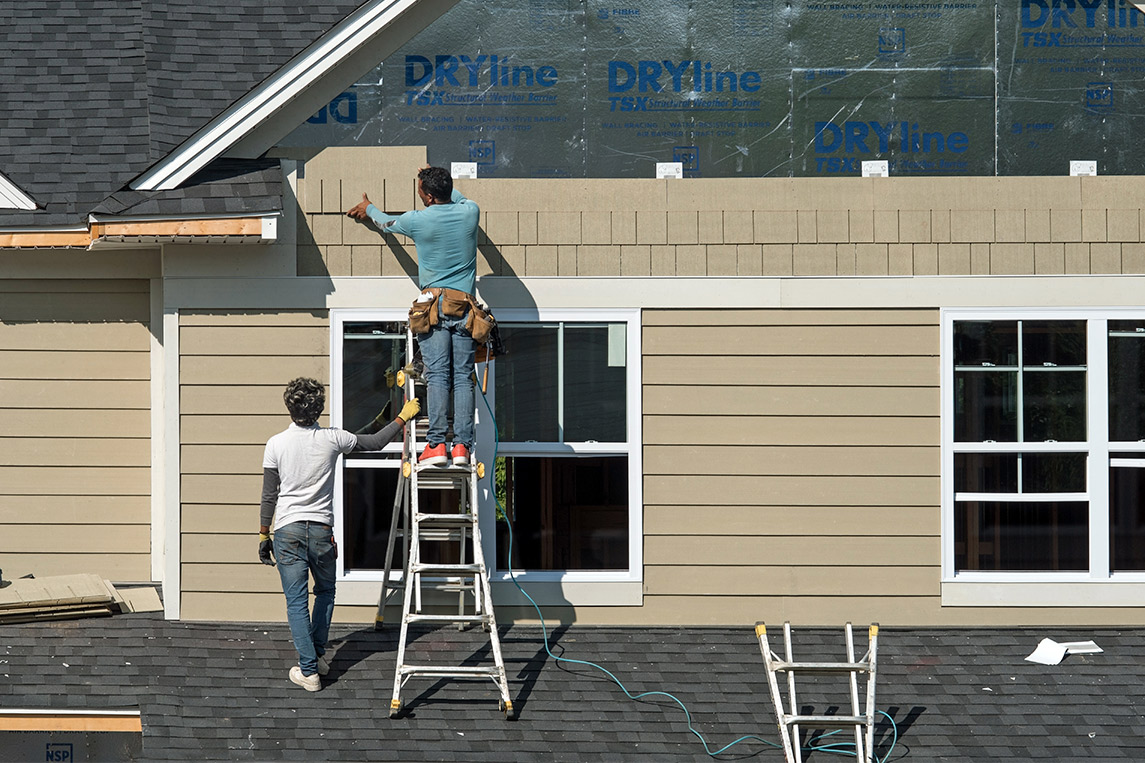
Homeowners have several options when replacing exterior siding. The best choice depends on your home’s architecture, budget, maintenance preferences, and desired appearance.
Vinyl Siding
Vinyl siding remains one of the most popular choices for residential properties.
Benefits include:
- Low maintenance
- Wide range of colors
- Affordable installation
- Moisture resistance
- Easy cleaning
- Versatile appearance
Vinyl siding can be an excellent option for homeowners looking for a practical exterior upgrade.
Fiber Cement Siding
Fiber cement siding is known for its durability and ability to replicate the appearance of wood.
Benefits may include:
- Excellent durability
- Resistance to moisture
- Resistance to pests
- Multiple style options
- Long-lasting appearance
It can be a strong choice for homeowners who want a durable exterior with a premium appearance.
Wood Siding
Wood siding provides natural character and traditional curb appeal.
However, it typically requires more maintenance than many modern siding products.
Homeowners should be prepared for periodic:
- Painting
- Staining
- Sealing
- Inspection
- Moisture protection
Engineered Wood Siding
Engineered wood siding is designed to provide the appearance of natural wood while offering improved consistency and durability.
It can be suitable for homeowners who want a traditional appearance with modern performance characteristics.
How Siding Replacement Protects Your Home
A quality siding system serves as part of your home’s exterior defense against weather.
Properly installed siding helps manage exposure to:
- Rain
- Wind
- Snow
- UV radiation
- Moisture
- Temperature changes
However, siding is only one component of the exterior wall system.
Flashing, weather-resistant barriers, windows, doors, trim, and proper drainage all work together to manage water.
This is why professional installation matters.
What Happens During Siding Replacement?
A typical project follows several stages.
1. Exterior Inspection
The contractor examines the siding, trim, windows, doors, flashing, and visible wall areas.
2. Material Selection
The homeowner chooses the siding material, color, profile, and finish.
3. Removal of Existing Siding
Damaged or outdated siding is carefully removed.
4. Wall Inspection
The exposed surface is checked for moisture damage, rot, or other problems.
5. Necessary Repairs
Damaged sheathing, trim, flashing, or other components are addressed as needed.
6. Installation
The new siding is installed according to the manufacturer’s requirements and appropriate installation practices.
7. Finishing
Corners, windows, doors, trim, and other transitions are properly finished and sealed.
8. Final Inspection
The completed exterior is inspected to ensure proper alignment, appearance, drainage, and workmanship.
Siding Replacement Near Me: Cost, Process & Contractor Guide
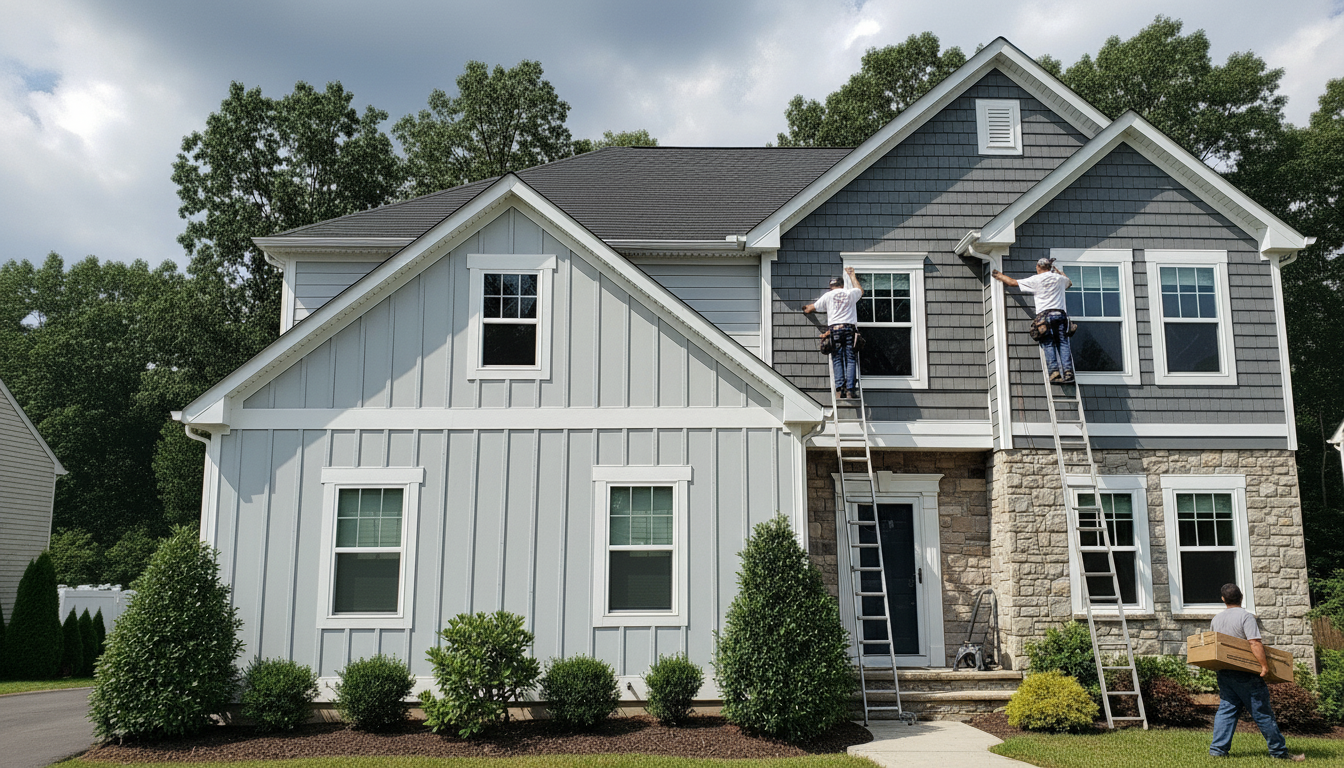
How Much Does Siding Replacement Cost?
The cost of siding replacement varies from one home to another. There is no single price that applies to every property because the final investment depends on the size of the house, siding material, labor, accessibility, and the condition of the exterior walls.
Important cost factors include:
- Total square footage of siding
- Type of siding selected
- Number of stories
- Roofline and architectural complexity
- Removal of existing siding
- Condition of wall sheathing
- Insulation requirements
- Flashing and trim
- Window and door openings
- Labor and installation requirements
Siding Material Affects the Price
Different materials have different purchase and installation costs.
Vinyl siding is generally one of the more budget-friendly options, while fiber cement, engineered wood, and premium siding products can require a larger initial investment.
Instead of choosing solely based on price, consider the material’s expected lifespan, maintenance requirements, appearance, and performance.
A professional siding replacement contractor can help you compare options based on your home’s specific requirements.
What Is the Best Time for Siding Replacement?
Siding can generally be replaced during much of the year, but weather conditions can affect scheduling and installation.
Moderate temperatures are often ideal because certain siding materials can become more difficult to handle during extreme heat or cold.
Spring and fall can be popular seasons for exterior remodeling because temperatures are often comfortable for installation.
However, the most important factor is having suitable weather conditions and an experienced installation team.
If your siding has serious damage, don’t necessarily wait for a particular season. Water intrusion can become more expensive when exterior problems are left unresolved.
How Long Does Siding Replacement Take?
The timeline depends on the size and complexity of the home.
A straightforward siding replacement project may take several days, while larger or more complicated properties can require additional time.
Factors affecting the schedule include:
- Home size
- Number of stories
- Siding material
- Weather
- Existing siding removal
- Wall repairs
- Window and door details
- Architectural features
- Availability of materials
Before work begins, your contractor should provide a realistic project timeline and explain any factors that could affect completion.
How to Choose the Right Siding Contractor Near You
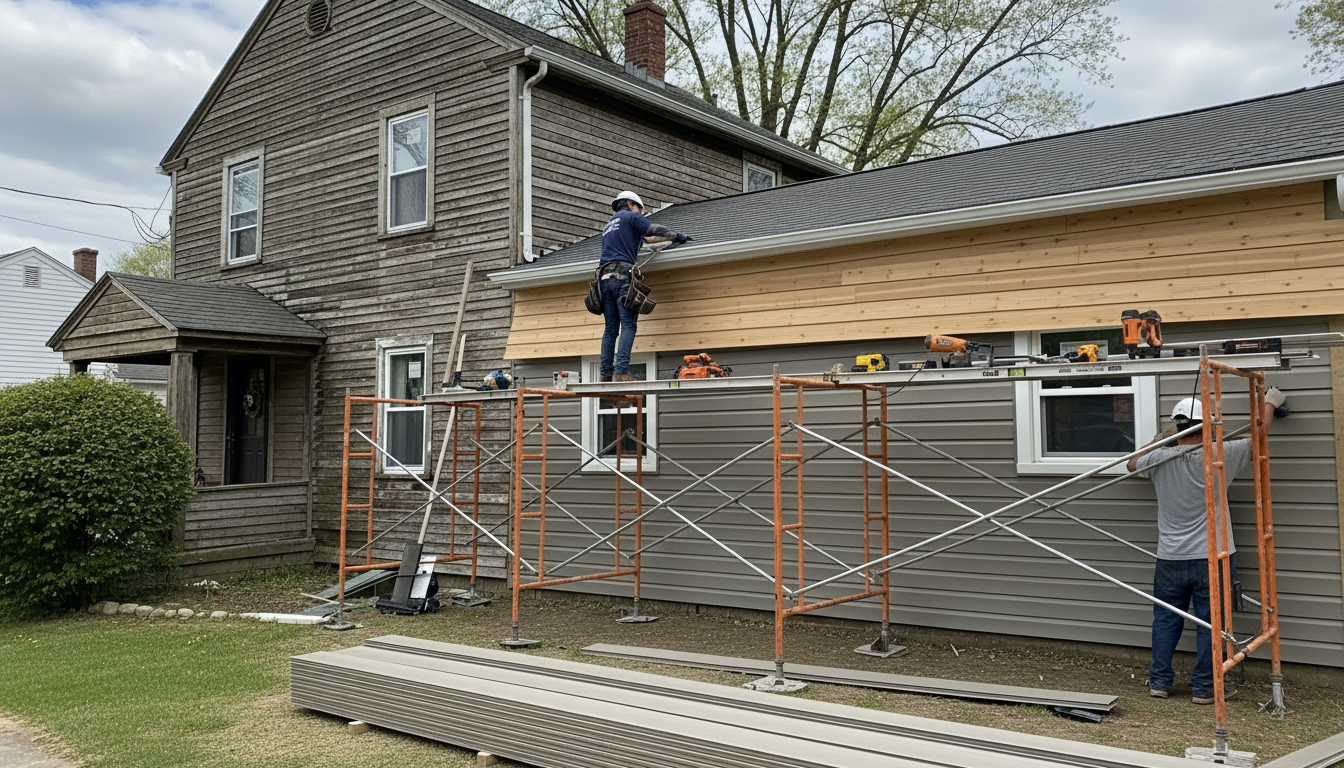
If you’re searching for siding replacement near me, choosing a qualified local contractor is one of the most important decisions you’ll make.
Don’t select a contractor simply because they appear at the top of a search result or offer the lowest price.
Instead, evaluate their experience, credentials, workmanship, communication, and reputation.
1. Verify Licensing and Insurance
A reputable contractor should be properly licensed and carry appropriate insurance.
Ask for documentation before signing a contract.
This can help protect you from potential liability and gives you greater confidence that the contractor operates professionally.
2. Look for Proven Experience
Siding installation requires knowledge of:
- Exterior wall systems
- Moisture management
- Flashing
- Trim
- Windows and doors
- Material-specific installation requirements
A contractor with decades of experience can identify problems that may not be obvious to an inexperienced installer.
3. Review Previous Work
Ask to see examples of completed siding projects.
Look for:
- Straight panel alignment
- Clean corners
- Proper window and door finishing
- Consistent spacing
- Professional trim work
- Clean transitions
Quality siding installation should look clean and intentional from every angle.
4. Read Reviews
Customer reviews can help you understand what it is like to work with a contractor.
Pay attention to feedback regarding:
- Communication
- Quality
- Reliability
- Cleanup
- Professionalism
- Project timelines
- Responsiveness
Don’t focus only on the overall rating. Read the actual reviews to understand recurring customer experiences.
5. Get a Detailed Estimate
A professional siding estimate should clearly explain what is included.
Ask whether the estimate covers:
- Old siding removal
- Disposal
- Wall inspection
- Repairs
- New siding
- Trim
- Flashing
- Installation
- Cleanup
- Warranty
A detailed estimate makes it easier to compare contractors fairly.
Common Siding Replacement Mistakes to Avoid
Replacing siding is a major exterior investment. Avoiding common mistakes can help you get better long-term results.
Choosing Siding Based Only on Appearance
Color and style are important, but performance matters too.
Consider:
- Durability
- Maintenance
- Moisture resistance
- Climate
- Warranty
- Installation requirements
The most attractive siding isn’t necessarily the best option for every home.
Covering Up Existing Problem
Installing new siding over unresolved moisture or structural problems can create bigger issues later.
Before installation, the exterior should be inspected for:
- Rot
- Water damage
- Damaged sheathing
- Poor flashing
- Moisture intrusion
Any underlying problems should be addressed before the new siding is installed.
Using Inexperienced Installers
Even high-quality siding can perform poorly when installed incorrectly.
Improper fastening, inadequate clearances, poor flashing, and incorrect expansion gaps can affect the finished system.
Always prioritize installation expertise.
Ignoring Windows and Doors
Siding replacement is an excellent opportunity to inspect the areas around windows and doors.
These openings are particularly important for moisture management.
Proper flashing and finishing help direct water away from vulnerable areas.
Choosing the Cheapest Estimate
A significantly lower estimate may look attractive, but it doesn’t necessarily represent the best value.
A professional quote should account for appropriate materials, preparation, skilled labor, and proper installation.
Think about long-term value rather than upfront price alone.
Why Choose JVW Roofing for Siding Replacement?
For more than 40 years, JVW Roofing has helped homeowners improve and protect their properties with professional roofing and exterior services.
JVW Roofing is a GAF Certified Plus™ Contractor, Owens Corning Preferred Contractor, and operates under NJ License #13VH14032300.
Our exterior services include:
- Siding replacement
- Siding installation
- Siding repair
- Roof replacement
- Roof repair
- Gutter services
- Window installation
- Skylight installation
- Exterior remodeling
Whether your siding has been damaged by weather or simply reached the end of its useful life, our team can evaluate the condition of your exterior and help you determine the right solution.
Frequently Asked Questions
How do I know if I need siding replacement?
Common signs include cracked, warped, rotting, or missing siding, extensive fading, recurring maintenance problems, and evidence of moisture intrusion. A professional inspection can determine whether repair or replacement is appropriate.
Is it better to repair or replace siding?
If the damage is isolated, repair may be sufficient. Widespread damage, severe deterioration, repeated repairs, or an aging siding system may make replacement more practical.
What is the most popular siding material?
Vinyl siding is one of the most widely used residential siding materials because of its affordability, variety of styles, and relatively low maintenance requirements.
How long does siding replacement take?
Many residential projects can be completed within several days, but the exact timeline depends on the home’s size, siding material, weather, and whether underlying repairs are necessary.
Should I replace siding before or after roofing?
The best sequence depends on the specific project. When both roofing and siding are being replaced, coordinating the work can help protect finished exterior surfaces and improve overall project efficiency.
Does new siding increase home value?
New siding can improve curb appeal and the condition of the home’s exterior, which may contribute to perceived property value. The return depends on the material, quality of installation, local market, and overall condition of the property.
Final Thoughts
If you’ve been searching for siding replacement near me, don’t wait until a small exterior problem becomes expensive structural damage.
Cracked panels, warped siding, rot, fading, moisture intrusion, and repeated repairs are all reasons to have your siding professionally evaluated. Depending on the condition of your home, a targeted repair may be enough—or a complete siding replacement may provide better long-term value.
The right siding material, proper preparation, and professional installation can improve your home’s appearance while helping protect the exterior from weather and moisture.
With more than 40 years of experience, JVW Roofing provides homeowners with dependable siding and exterior improvement services backed by skilled workmanship.
Ready to improve your home’s exterior? Contact JVW Roofing today for a FREE estimate and professional siding evaluation.