Installing a new roof is one of the most important investments you can make for your home. A professionally installed roof protects your property from the elements, improves energy efficiency, enhances curb appeal, and increases your home’s value. Whether you’re replacing an aging roof or building a new home, understanding the new roof installation process helps you make informed decisions and avoid costly mistakes.
A roof is much more than shingles. It is a complete system that includes decking, underlayment, flashing, ventilation, and high-quality roofing materials working together to keep your home safe and dry. Choosing the right contractor and materials can make the difference between a roof that lasts decades and one that requires frequent repairs.
At JVW Roofing, we’ve proudly served homeowners for over 40 years as a licensed roofing contractor. Our experienced team specializes in new roof installation, roof replacement, roof repair, gutters, siding, windows, and exterior remodeling. We use premium materials and proven installation techniques to deliver roofing systems built for long-term performance.
In this guide, you’ll learn everything you need to know about installing a new roof, including when it’s needed, material options, the installation process, cost factors, and how to choose a trusted roofing contractor.
What Is a New Roof Installation?
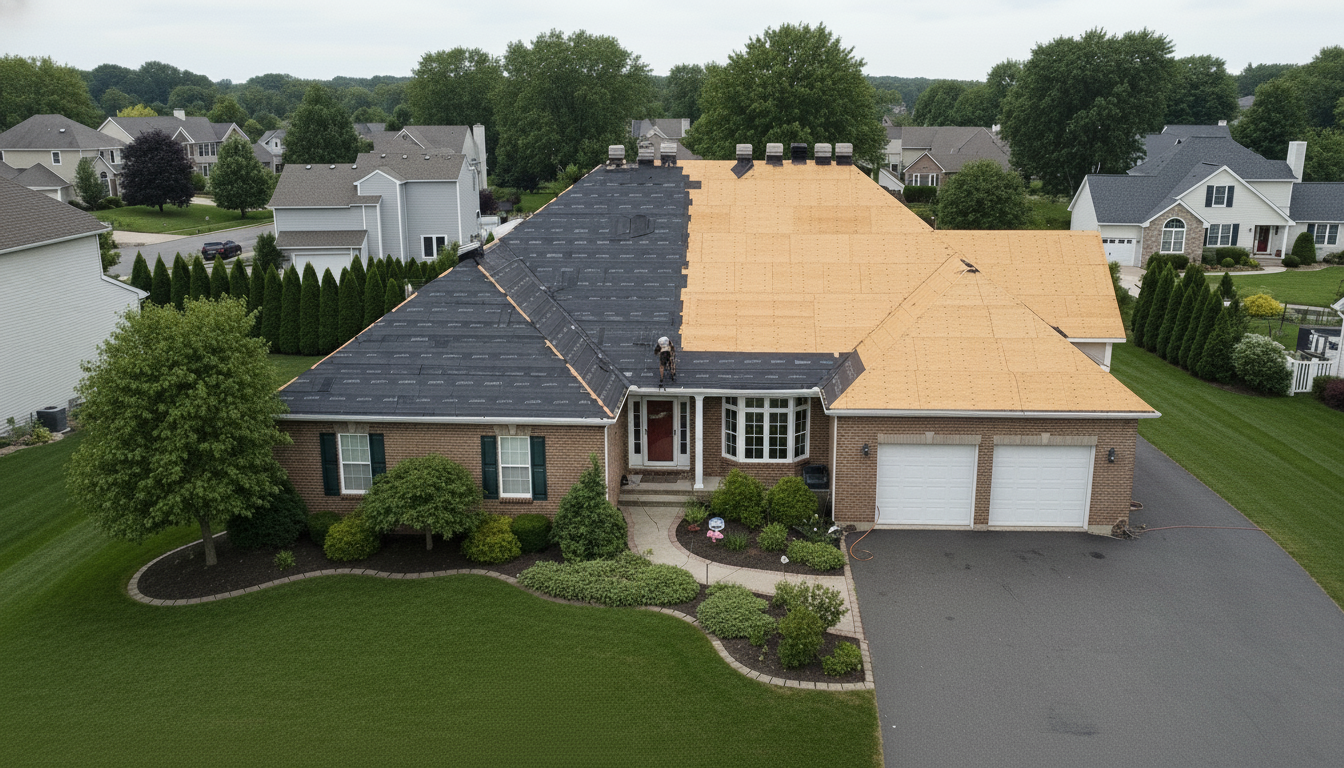
A new roof installation is the process of installing a complete roofing system on a new home or replacing an existing roof that has reached the end of its lifespan. The project involves much more than simply laying shingles—it includes preparing the roof deck, installing moisture barriers, flashing vulnerable areas, ensuring proper ventilation, and applying the final roofing material.
A professionally installed roof provides:
- Reliable protection against rain, wind, snow, and UV rays
- Better energy efficiency
- Improved indoor comfort
- Enhanced curb appeal
- Long-term durability
- Increased property value
Because every home is different, the roofing system should be tailored to the property’s structure, local climate, and the homeowner’s budget.
Signs You Need a New Roof Installation
Not every roofing issue requires a full replacement, but there are situations where installing a new roof is the safest and most cost-effective option.
1. Your Roof Has Reached the End of Its Lifespan
Most asphalt shingle roofs last 20–30 years, depending on the material quality, installation, and maintenance. If your roof is approaching this age, schedule a professional inspection to determine whether replacement is necessary.
2. Frequent Roof Leaks
Occasional repairs may solve isolated problems, but recurring leaks often indicate widespread deterioration. Water stains on ceilings, damp insulation, or mold growth are warning signs that shouldn’t be ignored.
3. Missing, Cracked, or Curling Shingles
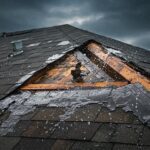
Damaged shingles expose the underlying roofing system to moisture and can lead to structural damage if left untreated. Extensive shingle deterioration is a common reason for a new roof installation.
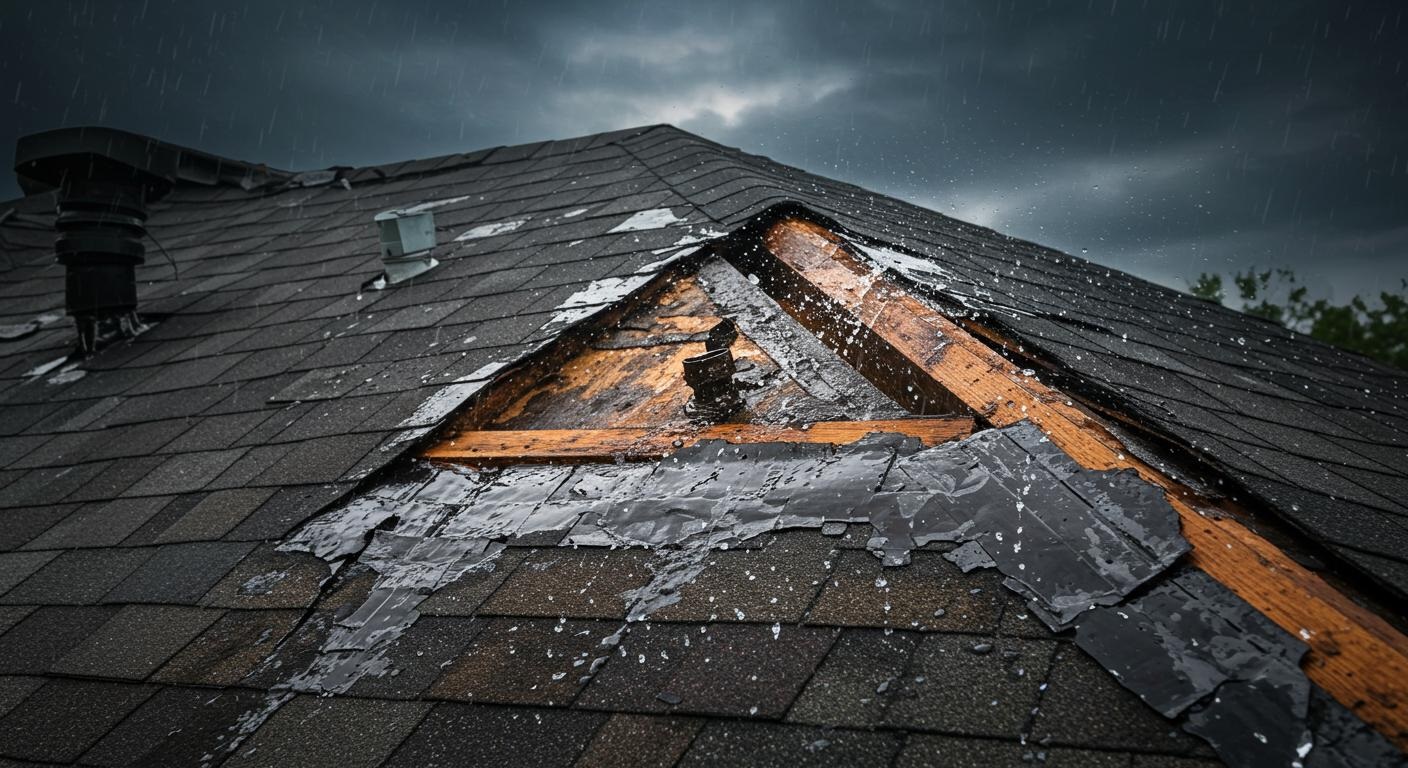
4. Storm or Hail Damage
High winds, hail, and falling debris can severely damage roofing materials. After a major storm, have your roof inspected by a licensed contractor to determine whether repairs or replacement are the better solution.
5. Sagging Roof Structure
A sagging roof may indicate problems with the roof decking or structural supports. This issue requires immediate professional attention, as it can compromise the safety of your home.
Benefits of a New Roof Installation
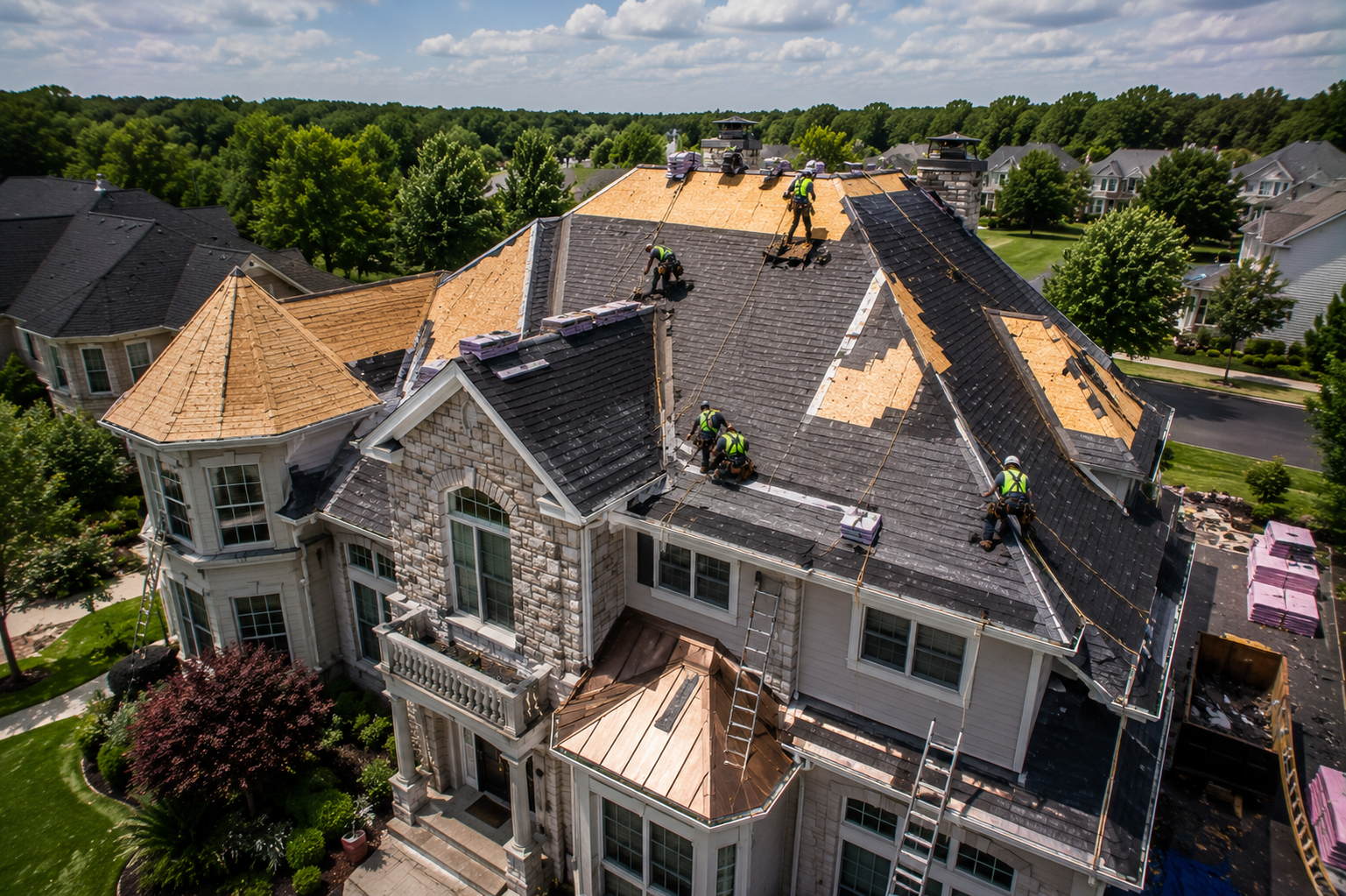
Installing a new roof offers long-term advantages beyond simply preventing leaks.
Improved Protection
A new roofing system shields your home from harsh weather, reducing the risk of water intrusion and structural damage.
Better Energy Efficiency
Modern roofing materials and proper ventilation help regulate indoor temperatures, reducing the workload on your heating and cooling systems.
Increased Home Value
A new roof is a valuable selling point. Buyers are more likely to choose a home with a recently installed roof because it reduces future maintenance concerns.
Enhanced Curb Appeal
Your roof is one of the most visible parts of your home’s exterior. Replacing an old roof instantly improves its appearance and complements other upgrades such as new siding or windows.
Lower Maintenance Costs
Older roofs often require frequent repairs. A professionally installed roof minimizes ongoing maintenance and provides peace of mind for years to come.
Best Roofing Materials for a New Roof Installation
Choosing the right roofing material is one of the most important decisions you’ll make during a new roof installation. The ideal material depends on your budget, your home’s architecture, local climate, and long-term maintenance goals.
Asphalt Shingles
Asphalt shingles are the most popular roofing material in the United States because they offer an excellent balance of affordability, durability, and appearance.
Benefits
- Cost-effective
- Available in many colors and styles
- Easy to repair
- Suitable for most homes
- Lifespan of 20–30 years
Architectural asphalt shingles provide improved wind resistance and a more attractive dimensional appearance than traditional three-tab shingles.
Metal Roofing
Metal roofing has become increasingly popular because of its durability and energy efficiency.
Advantages
- Lifespan of 40–70 years
- Fire resistant
- Reflects heat
- Low maintenance
- Excellent performance in harsh weather
Although metal roofs require a higher initial investment, they often provide excellent long-term value.
Cedar Shake Roofing
Cedar shake roofs offer a timeless, natural appearance that enhances curb appeal.
Benefits include:
- Natural insulation
- Beautiful appearance
- Environmentally friendly
- Long lifespan with proper maintenance
Regular maintenance is essential to maximize the lifespan of cedar roofing.
Synthetic Roofing Materials
Synthetic slate and shake roofing provide the appearance of natural materials while requiring less maintenance.
Advantages include:
- Lightweight
- Durable
- Impact resistant
- Low maintenance
- Excellent weather resistance
Step-by-Step New Roof Installation Process
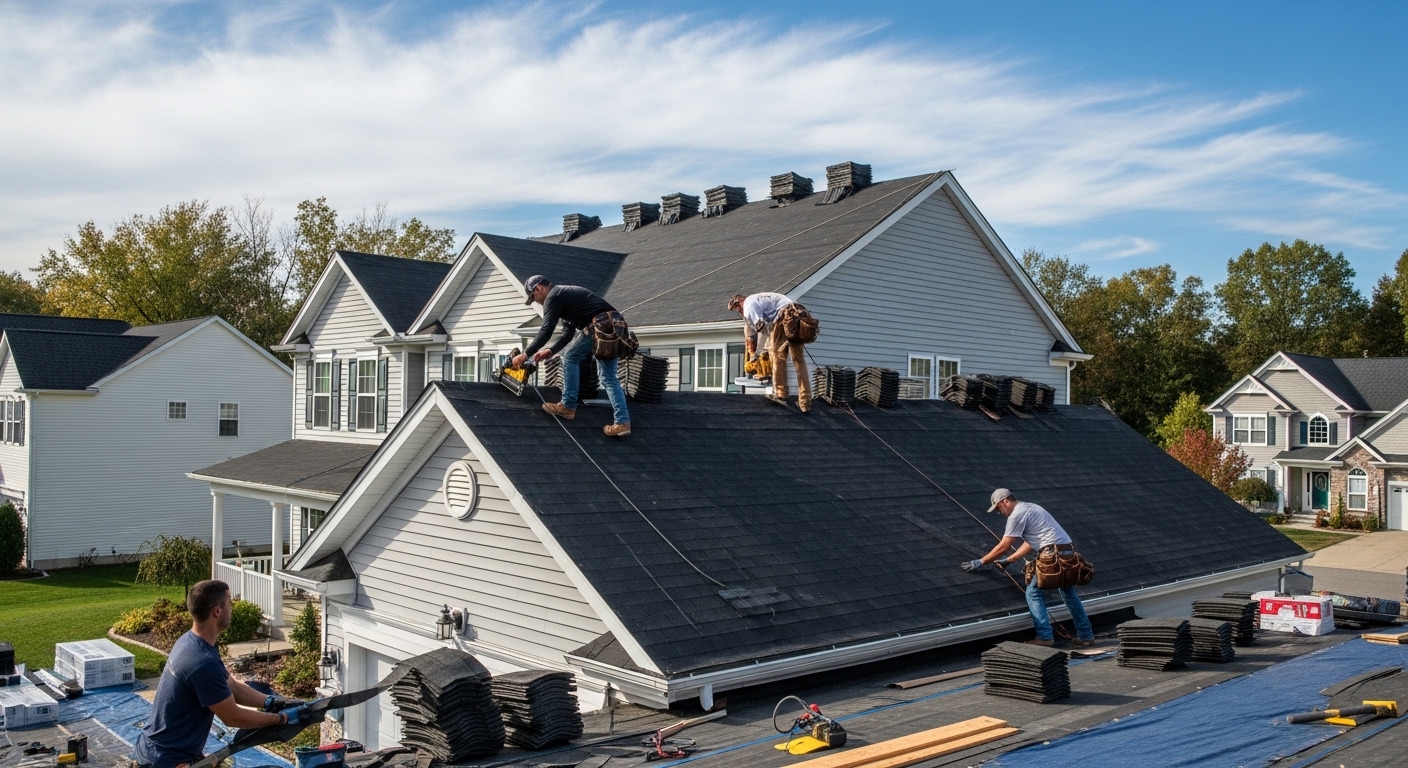
A professional new roof installation follows a structured process designed to maximize durability and manufacturer warranty compliance.
Step 1: Roof Inspection and Planning
Every successful roofing project begins with a detailed inspection.
The contractor evaluates:
- Roof structure
- Roof decking
- Ventilation
- Existing flashing
- Chimneys
- Skylights
- Gutters
- Roof slope
- Drainage
This inspection helps identify any structural issues before installation begins.
Step 2: Selecting Roofing Materials
Your contractor will recommend materials based on:
- Budget
- Climate
- Home design
- Energy efficiency goals
- Local building codes
- Warranty options
Choosing quality materials is one of the best ways to maximize your investment.
Step 3: Removing the Old Roof
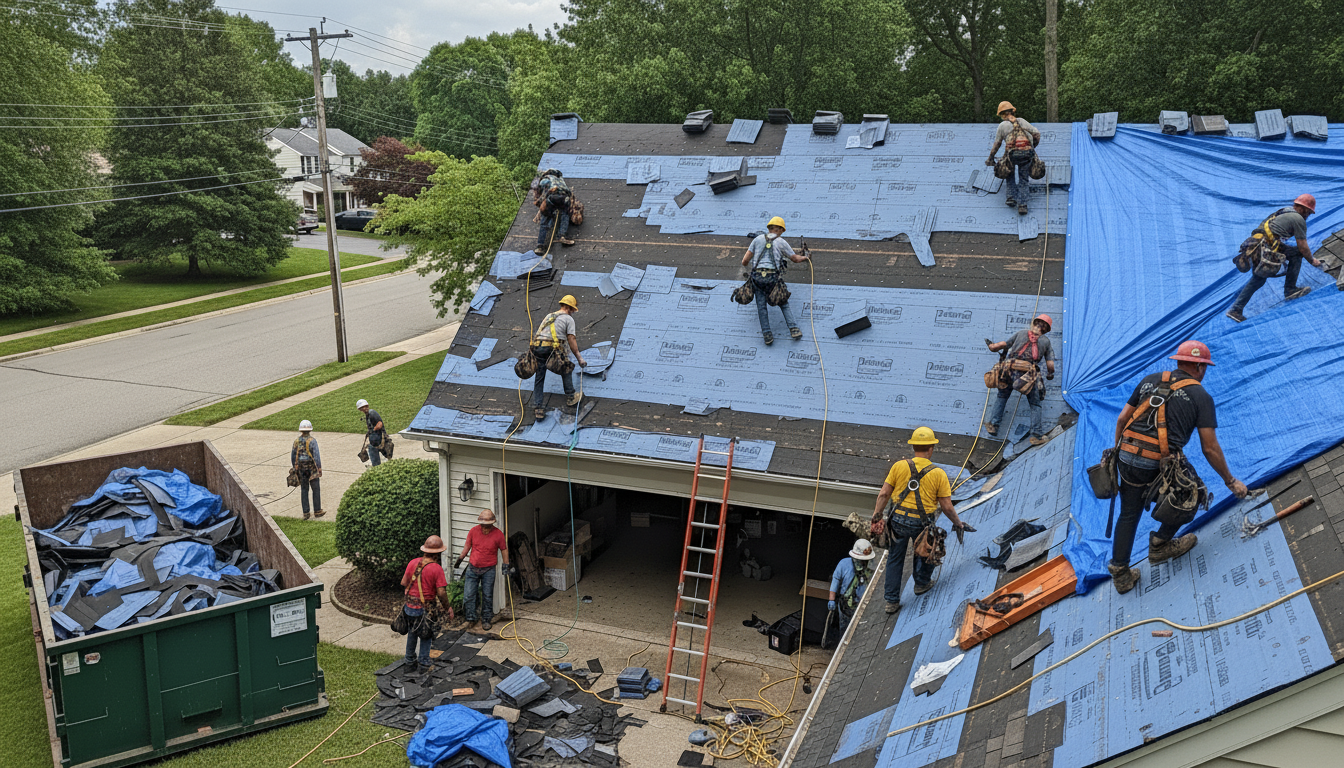
For roof replacements, existing roofing materials are removed down to the roof deck.
This allows contractors to inspect for hidden damage such as:
- Rotting wood
- Water damage
- Mold
- Damaged decking
- Structural issues
Any damaged components are repaired before the new roofing system is installed.
Step 4: Preparing the Roof Deck
A solid roof deck is essential for a long-lasting roof.
Contractors replace damaged decking and ensure the surface is clean, level, and structurally sound.
Step 5: Installing Underlayment
Roof underlayment acts as a secondary moisture barrier.
It provides protection against:
- Wind-driven rain
- Snow
- Ice dams
- Condensation
- Moisture infiltration
Proper underlayment installation significantly improves roof performance.
Step 6: Installing Flashing
Flashing is installed around areas where water is most likely to penetrate.
These areas include:
- Chimneys
- Roof valleys
- Skylights
- Plumbing vents
- Roof edges
- Dormers
Proper flashing prevents leaks and extends the life of the roofing system.
Step 7: Installing Roofing Material
The chosen roofing material is installed according to manufacturer specifications.
Professional installation ensures:
- Correct shingle alignment
- Proper nail placement
- Wind resistance
- Waterproof performance
- Manufacturer warranty compliance
Attention to detail during installation directly impacts the roof’s longevity.
Step 8: Roof Ventilation
Proper attic ventilation is essential for a healthy roofing system.
A balanced ventilation system helps:
- Reduce moisture buildup
- Improve energy efficiency
- Prevent ice dams
- Extend roof lifespan
- Protect attic insulation
Poor ventilation can significantly reduce the life of a new roof.
Step 9: Final Inspection
Before completing the project, contractors perform a comprehensive quality inspection.
They verify:
- Installation quality
- Flashing
- Ventilation
- Ridge caps
- Waterproofing
- Cleanup
- Safety standards
This final inspection ensures every component meets professional standards.
Factors That Affect New Roof Installation Costs
Every roofing project is unique, so costs vary depending on several factors.
These include:
- Roof size
- Roof complexity
- Roof pitch
- Roofing material
- Underlayment type
- Flashing requirements
- Ventilation upgrades
- Roof decking repairs
- Local labor costs
- Permit requirements
Rather than choosing the lowest estimate, compare contractors based on experience, material quality, warranties, and reputation.
Common Mistakes to Avoid During a New Roof Installation
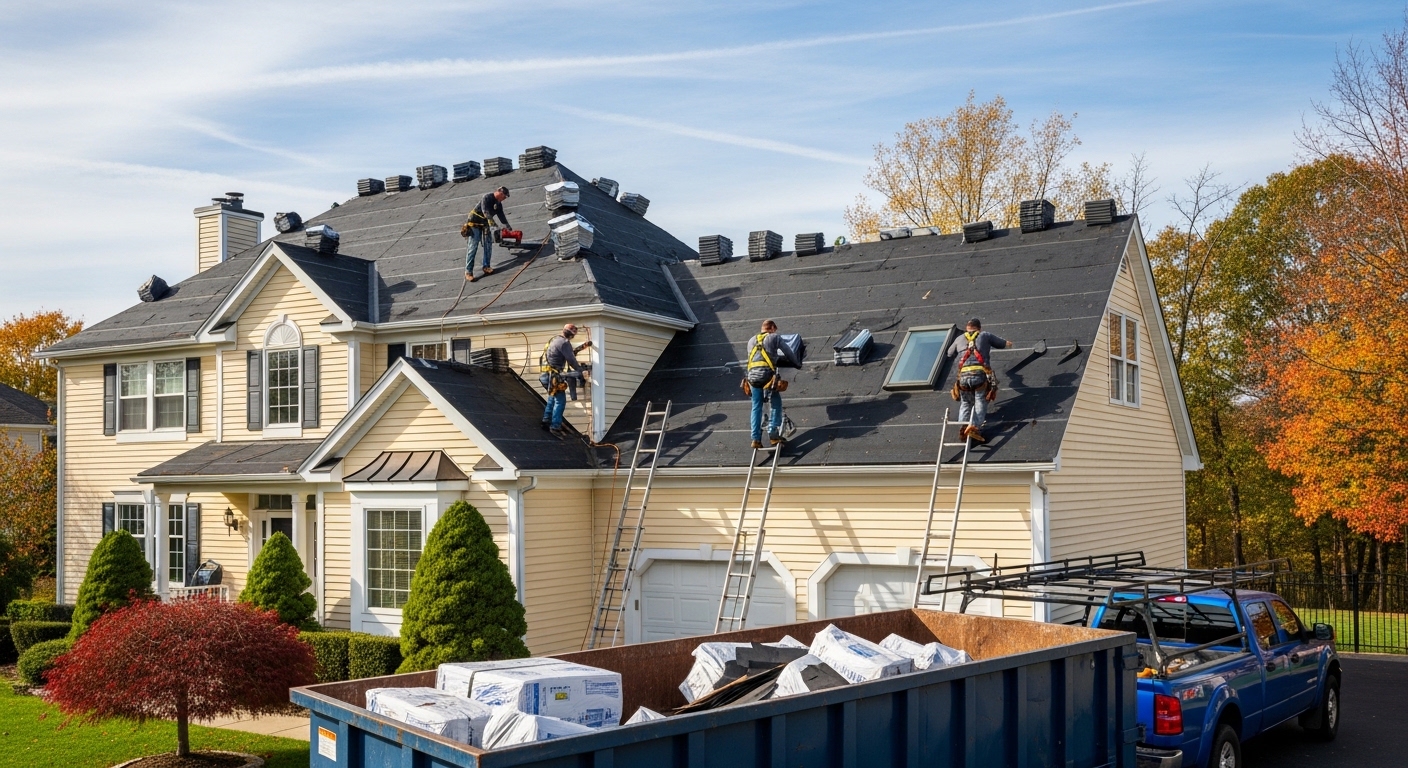
Avoiding common mistakes helps ensure your new roof performs as expected for decades.
Hiring the Cheapest Contractor
Low bids often result from lower-quality materials or poor workmanship.
Choose a licensed contractor with proven experience and positive customer reviews.
Ignoring Ventilation
Proper ventilation is just as important as the roofing material itself.
Without adequate airflow, moisture buildup can shorten the lifespan of your roof.
Choosing Materials Based Only on Price
The least expensive roofing option isn’t always the best long-term investment.
Higher-quality materials often provide better durability, energy efficiency, and warranty protection.
Delaying Roof Replacement
Waiting too long to replace a failing roof can lead to:
- Water damage
- Mold growth
- Structural repairs
- Interior damage
- Higher replacement costs
Addressing roofing issues early usually saves money over time.
How to Choose the Best Roofing Contractor
Choosing the right contractor is just as important as choosing the right roofing material. A professionally installed roof can last for decades, while poor workmanship may lead to leaks, premature wear, and costly repairs.
Here are the key factors every homeowner should consider before hiring a roofing contractor.
Choose a Licensed and Insured Contractor
Always verify that your roofing contractor is licensed and fully insured.
This protects you from liability and ensures the work complies with local building codes and industry standards.
A reputable contractor should willingly provide proof of:
- Contractor license
- General liability insurance
- Workers’ compensation insurance
Look for Local Experience
Hiring a local roofing company offers several advantages.
Local contractors understand:
- Regional weather conditions
- Building codes
- Permit requirements
- Roofing materials that perform best in your area
They are also easier to contact for warranty support and future maintenance.
Read Customer Reviews
Online reviews provide valuable insight into a company’s reputation.
Look for comments about:
- Quality of workmanship
- Communication
- Professionalism
- Timeliness
- Cleanup after installation
- Warranty service
Consistently positive reviews are a strong indicator of a trustworthy contractor.
Ask About Roofing Warranties
A quality roof should include two types of warranties:
Manufacturer Warranty
Covers defects in roofing materials.
Workmanship Warranty
Protects against installation errors.
A contractor who stands behind their work will clearly explain both warranties before the project begins.
Request a Detailed Written Estimate
A professional estimate should include:
- Roofing materials
- Labor costs
- Project timeline
- Cleanup procedures
- Warranty information
- Payment schedule
Avoid contractors who provide vague pricing or pressure you to sign immediately.
Why Homeowners Trust JVW Roofing
For more than 40 years, JVW Roofing has proudly served homeowners with dependable roofing and exterior remodeling solutions.
As a licensed contractor, we believe every homeowner deserves exceptional craftsmanship, premium materials, and honest recommendations.
Our roofing professionals are committed to delivering long-lasting roofing systems that improve your home’s safety, appearance, and value.
Our Roofing Services
We proudly offer:
- New Roof Installation
- Roof Replacement
- Roof Repair
- Emergency Roof Repair
- Roof Inspections
- Asphalt Shingle Roofing
- Metal Roofing
- Skylight Installation
- Gutter Installation
- Siding Installation
- Window Installation
- Exterior Remodeling
Why Choose JVW Roofing?
When you work with JVW Roofing, you receive:
- NJ Licensed #13VH14032300
- GAF Certified Plus™ Contractor
- Premium roofing materials
- Manufacturer-backed roofing systems
- Honest recommendations
- Competitive pricing
- Excellent customer service
- Professional installation
- Clean job sites
- Long-term workmanship you can trust
Our goal is simple: deliver a roof that protects your home for decades while providing outstanding value.
Frequently Asked Questions
How long does a new roof installation take?
Most residential projects are completed within 1–3 days, depending on the roof size, weather conditions, and project complexity.
What is the best roofing material?
Architectural asphalt shingles remain the most popular option because they offer excellent durability, affordability, and curb appeal. Metal roofing is another excellent choice for homeowners seeking maximum longevity.
How long will a new roof last?
The lifespan depends on the material used.
- Asphalt shingles: 20–30 years
- Architectural shingles: 30–40 years
- Metal roofing: 40–70 years
- Synthetic roofing: 40–50 years
Routine inspections and maintenance help maximize roof life.
Will a new roof increase my home’s value?
Yes. A professionally installed roof enhances curb appeal, improves energy efficiency, and increases buyer confidence, making it one of the best home improvement investments.
How do I know if I need a new roof or just repairs?
Minor issues such as isolated leaks or a few damaged shingles may only require repairs. However, widespread damage, recurring leaks, or an aging roof often make a full replacement the better long-term solution. A professional inspection can help determine the right approach.
Final Thoughts
A new roof installation is one of the most valuable investments you can make in your home. Beyond improving appearance, a new roof protects your property from severe weather, increases energy efficiency, reduces future maintenance costs, and adds long-term value.
By choosing quality materials, working with an experienced contractor, and following proper installation practices, you’ll enjoy a roofing system that performs reliably for decades.
For over 40 years, JVW Roofing has been the trusted choice for homeowners seeking professional roofing services. As a licensed contractor, we combine expert craftsmanship, premium materials, and outstanding customer service to deliver roofing solutions built to last.
Whether you’re building a new home or replacing an aging roof, our experienced team is ready to help.
Request Your FREE Roof Inspection Today
If you’re considering a new roof installation, contact JVW Roofing today to schedule a FREE roof inspection and estimate. We’ll evaluate your roof, answer your questions, and recommend the best solution for your home and budget.