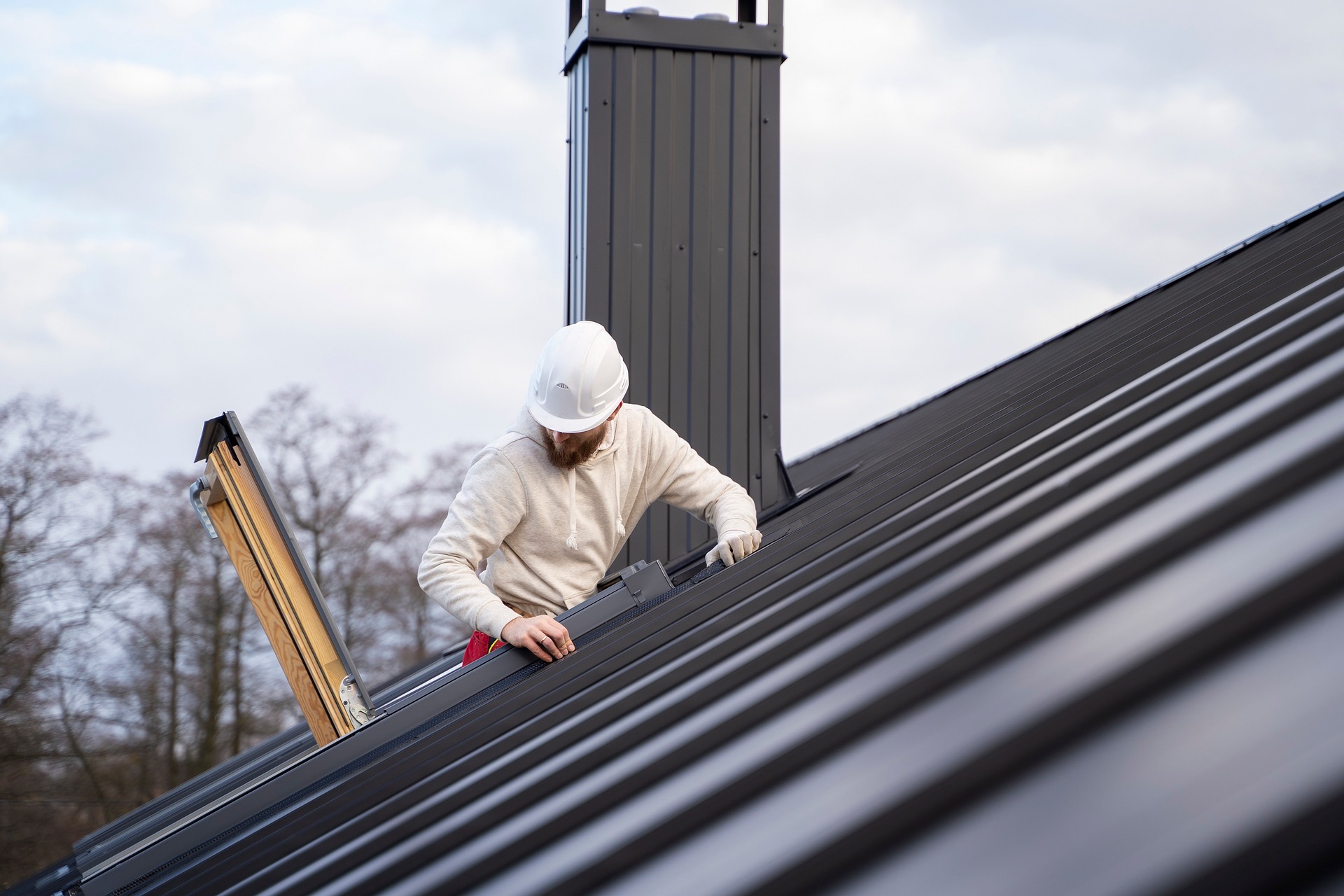
A strong, reliable roof is essential for protecting your home or commercial property. If you’re looking for a long-lasting, low-maintenance solution, a metal roof installation company can provide exactly what you need. Metal roofing has become increasingly popular due to its durability, energy efficiency, and modern appearance. In this article, we’ll explore everything you need to know about hiring a professional metal roofing contractor and why it’s a smart investment.
What Is Metal Roof Installation?
Metal roof installation involves placing panels or shingles made from materials such as steel, aluminum, or copper onto a building’s structure. Unlike traditional asphalt shingles, metal roofing systems are designed to last decades while offering superior resistance to weather conditions.
Common Types of Metal Roofing:
- Standing seam metal roofs
- Metal shingles
- Corrugated metal panels
- Stone-coated steel roofing
Each type has its own benefits, but all provide excellent durability and aesthetic appeal.
Why Choose a Metal Roof Installation Company?
Hiring a specialized metal roof installation company ensures the job is done correctly and efficiently. Metal roofing requires precise installation techniques, and experienced contractors have the tools and knowledge to deliver high-quality results.
Key Benefits:
- Proper installation reduces the risk of leaks
- Ensures compliance with building codes
- Extends the lifespan of your roof
- Improves overall performance and safety
Benefits of Metal Roofing
1. Long Lifespan
Metal roofs can last 40 to 70 years, depending on the material. This makes them a cost-effective solution over time.
2. Energy Efficiency
Metal reflects solar heat, helping reduce cooling costs in hot climates. This is especially beneficial in areas with high temperatures.
3. Weather Resistance
Metal roofs can withstand:
- Heavy rain
- Strong winds
- Snow and ice
- Fire hazards
4. Low Maintenance
Compared to traditional roofing materials, metal requires minimal maintenance. Occasional inspections are usually enough.
5. Eco-Friendly
Most metal roofs are made from recycled materials and are fully recyclable at the end of their lifespan.
Signs You Need a New Metal Roof
If you’re unsure whether to replace your roof, here are some indicators:
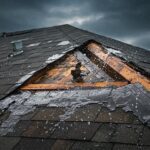
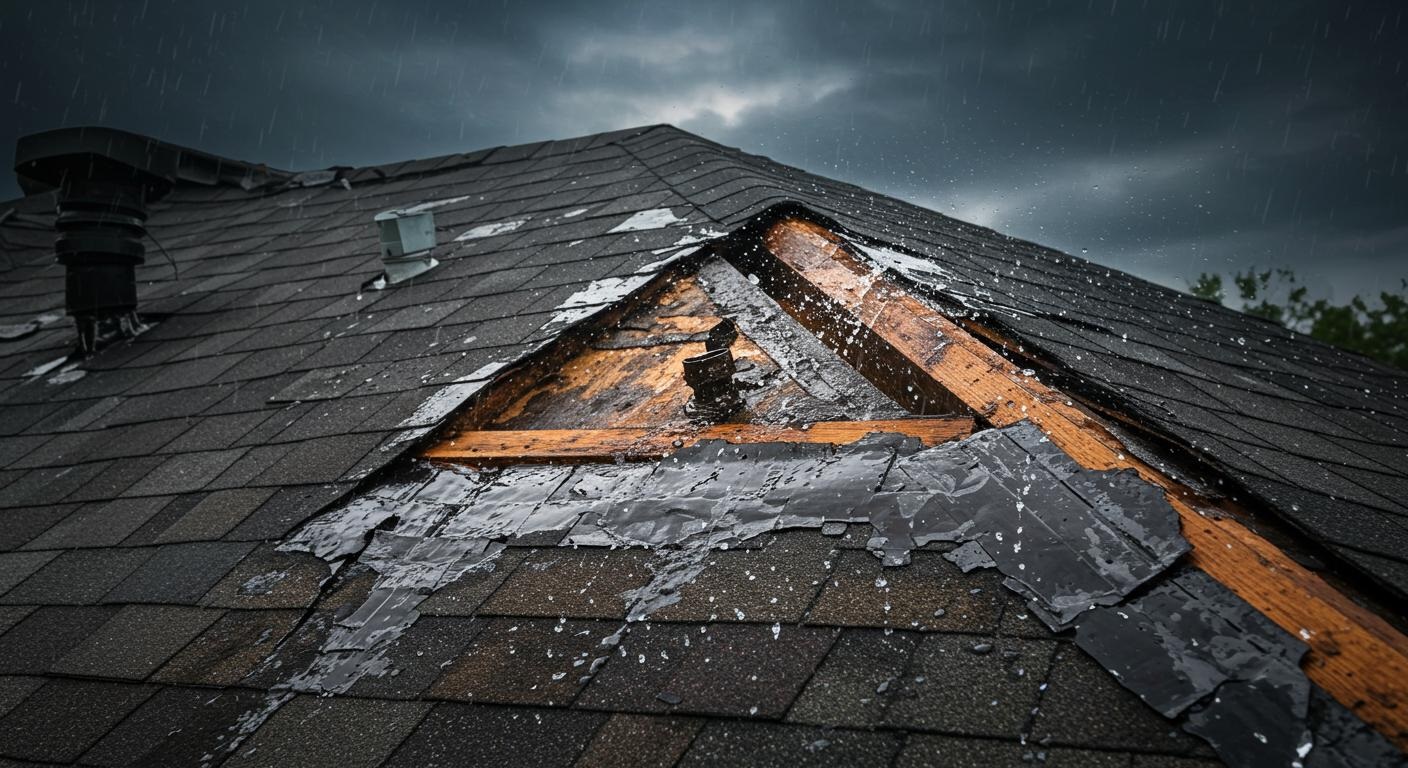
- Frequent leaks or water damage
- Missing or damaged shingles
- Rising energy bills
- Roof age exceeding 20–25 years
- Visible rust or corrosion (for older metal roofs)
A professional inspection from a metal roof installation company can help determine the best course of action.
Metal Roof Installation Process
Understanding the installation process helps you know what to expect.
Step 1: Roof Inspection
The contractor evaluates your current roof structure to determine suitability.
Step 2: Material Selection
You choose the type, color, and style of metal roofing.
Step 3: Preparation
Old roofing materials are removed, and the surface is prepared.
Step 4: Underlayment Installation
A protective layer is added to prevent moisture infiltration.
Step 5: Metal Panel Installation
Panels or shingles are securely installed using specialized fasteners.
Step 6: Final Inspection
The contractor ensures everything is properly installed and sealed.
How to Choose the Right Metal Roof Installation Company
Selecting the right contractor is crucial for a successful project.
Look for These Qualities:
1. Experience and Expertise
Choose a company with proven experience in metal roofing.
2. Licensing and Insurance
Ensure the contractor is licensed and fully insured.
3. Customer Reviews
Check online reviews and testimonials.
4. Warranty Options
A reliable company offers both material and workmanship warranties.
5. Transparent Pricing
Avoid hidden costs by choosing a company that provides detailed estimates.
Cost of Metal Roof Installation
The cost of installing a metal roof varies based on several factors:
Factors Affecting Cost:
- Roof size and complexity
- Type of metal used
- Labor costs
- Location
- Additional features like insulation or coatings
Average Price Range:
Metal roofing typically costs more upfront than asphalt shingles, but its long lifespan makes it more economical in the long run.
Metal Roofing vs Traditional Roofing
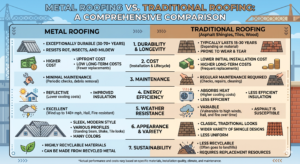
| Feature | Metal Roofing | Asphalt Shingles |
|---|---|---|
| Lifespan | 40–70 years | 15–25 years |
| Maintenance | Low | Moderate |
| Energy Efficiency | High | Low |
| Cost (Initial) | Higher | Lower |
| Durability | Excellent | Moderate |
Maintenance Tips for Metal Roofs
To maximize the lifespan of your roof, follow these simple maintenance tips:
- Clean debris regularly
- Inspect for loose fasteners
- Check for scratches or rust
- Ensure gutters are clear
- Schedule professional inspections annually
Why Metal Roofing Is a Smart Investment
Although the initial cost may be higher, metal roofing offers significant long-term value. It reduces energy bills, requires less maintenance, and increases property value. Many homeowners and business owners are now switching to metal roofs for these reasons.
Frequently Asked Questions
Is metal roofing noisy during rain?
No, when properly installed with insulation, metal roofs are no louder than traditional roofs.
Can metal roofs rust?
Modern metal roofs are coated with protective layers to prevent rust and corrosion.
Are metal roofs suitable for all climates?
Yes, metal roofing performs well in both hot and cold climates.
Final Thoughts
Choosing a professional metal roof installation company is essential for ensuring a durable, efficient, and long-lasting roofing system. With benefits like energy savings, low maintenance, and exceptional durability, metal roofing is one of the best investments you can make for your property.
If you’re considering upgrading your roof, consult with an experienced contractor to explore your options and get a customized solution that meets your needs.