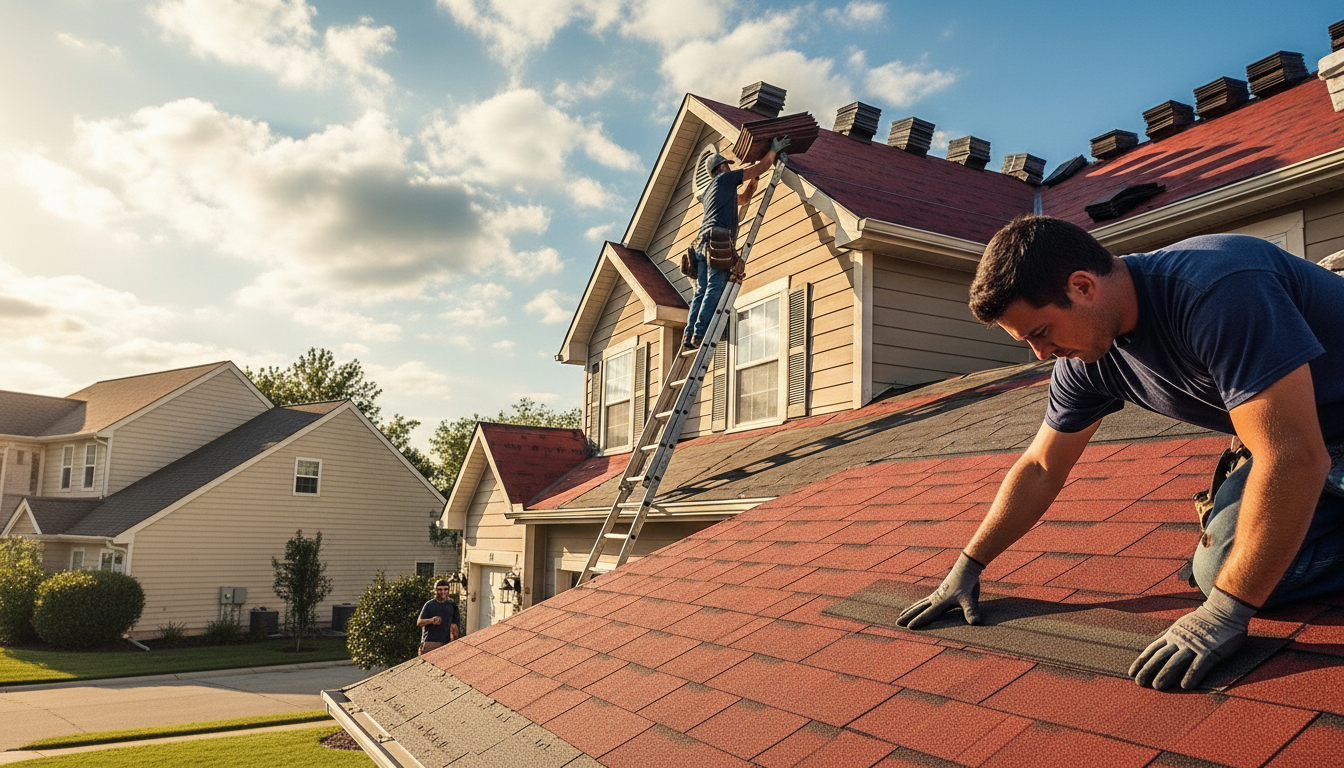
Your roof is one of the most important parts of your home, especially during the warmer months. High temperatures, strong sunlight, summer storms, and humidity can all affect your roofing system. Proper summer roof maintenance helps prevent costly repairs, extends roof life, and keeps your home energy efficient.
If you want to avoid leaks, heat damage, and structural issues, regular roof care during summer is essential. In this guide, we will cover the best maintenance tips, warning signs to watch for, and why seasonal inspections matter.
Why Summer Roof Maintenance Is Important
Summer weather can be tough on roofing materials. Constant sun exposure may cause shingles to crack, curl, or fade. Sudden rainstorms and wind can loosen materials or create leaks. Heat can also cause roofing components to expand and contract, leading to wear over time.
Benefits of regular summer roof maintenance include:
- Extending the lifespan of your roof
- Preventing water damage and leaks
- Improving energy efficiency
- Reducing repair costs
- Maintaining curb appeal
- Protecting attic ventilation systems
A small issue caught early can save thousands in future Roof repairs.
Inspect Your Roof for Visible Damage
Start your summer roof maintenance routine with a visual inspection. Walk around your property and look at the roof from the ground. Use binoculars if needed.
Check for:
- Missing or loose shingles
- Cracked or curling shingles
- Dark spots or algae growth
- Sagging roof areas
- Rusted flashing
- Debris buildup
- Damaged gutters
If you notice any of these problems, contact a professional roofing contractor for a detailed inspection.
Clean Gutters and Downspouts
One of the most overlooked parts of summer roof maintenance is gutter cleaning. Gutters direct rainwater away from your roof and foundation. During summer, leaves, twigs, nests, and dirt can clog them.
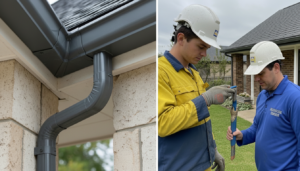
Blocked gutters may cause:
- Roof edge rot
- Water overflow
- Foundation damage
- Mold growth
- Fascia board deterioration
Clean gutters regularly and ensure downspouts move water away from your home.
Remove Roof Debris
Branches, leaves, and dirt can collect on the roof surface, especially after summer storms. Debris traps moisture and may damage shingles over time.
Safely remove:
- Tree branches
- Leaves
- Dirt piles
- Moss buildup
- Animal nests
Keeping your roof clear allows proper drainage and reduces moisture-related problems.
Check Roof Flashing and Sealants
Flashing protects vulnerable roof areas such as chimneys, skylights, vents, and valleys. Summer heat can dry out sealants and loosen flashing materials.
Inspect for:
- Cracks in caulking
- Rusted metal flashing
- Loose sections
- Gaps around penetrations
Replacing worn flashing or resealing joints helps prevent leaks during summer rainstorms.
Inspect the Attic for Heat and Moisture Issues
Your attic plays a major role in roof performance. Poor attic ventilation can trap heat, causing shingles to age faster and increasing cooling bills.
Signs of attic issues:
- Excessive heat buildup
- Damp insulation
- Musty odors
- Mold growth
- Water stains
Proper attic airflow supports effective summer roof maintenance by reducing heat stress and moisture buildup.
Trim Overhanging Tree Branches
Trees provide shade, but branches hanging over the roof can create problems.
Risks include:
- Scraping shingles in the wind
- Falling branches during storms
- Leaves clogging gutters
- Pest access to the roof
Trim branches back several feet from the roofline to reduce damage risk and improve sunlight exposure.
Look for Signs of UV Damage
Constant sun exposure can weaken roofing materials. Asphalt shingles are especially vulnerable to ultraviolet rays.
Common UV damage signs:
- Fading color
- Brittle shingles
- Granule loss
- Curling edges
- Surface cracks
If your roof shows advanced sun damage, repairs or replacement may be needed.
Prepare for Summer Storms
Summer often brings thunderstorms, hail, and high winds. Preventive maintenance helps your roof handle severe weather.
Before storm season:
- Secure loose shingles
- Reinforce flashing
- Clean drainage systems
- Remove weak tree limbs
- Schedule a professional inspection
Storm preparation is a smart part of any summer roof maintenance plan.
Improve Roof Energy Efficiency
A well-maintained roof can lower indoor temperatures and reduce air conditioning costs.
Ways to improve efficiency:
- Seal attic air leaks
- Add proper insulation
- Improve attic ventilation
- Use reflective roof coatings
- Replace damaged shingles
These upgrades help your roof perform better during hot summer months.
Schedule a Professional Roof Inspection
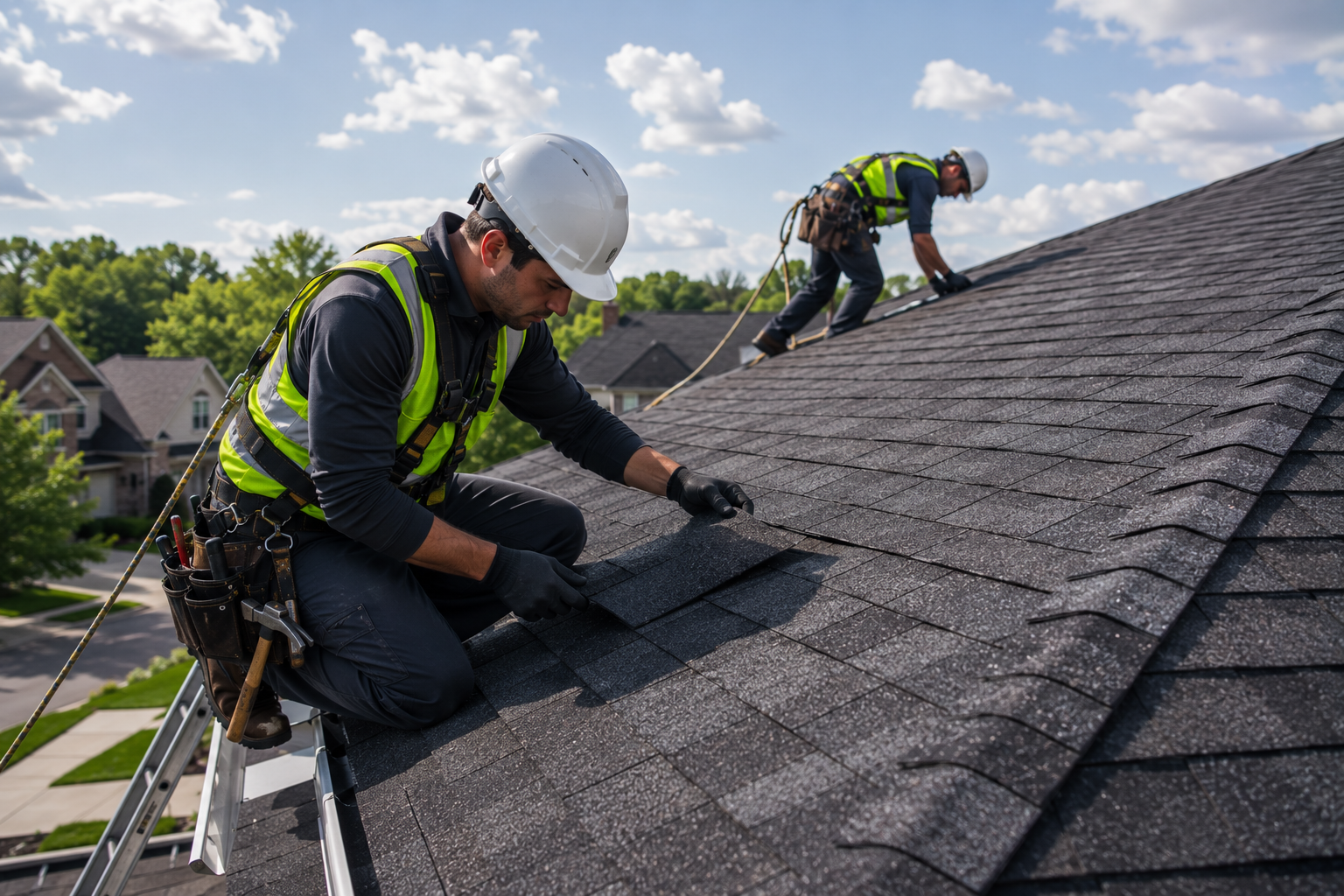
Even if your roof looks fine, hidden issues may exist. Professional roofers know how to spot damage that homeowners may miss.
A roofing inspection may include:
- Shingle condition review
- Flashing inspection
- Leak detection
- Structural evaluation
- Ventilation assessment
- Gutter system review
Annual summer inspections help catch small issues before they become major repairs.
Common Summer Roof Problems
Many homeowners experience seasonal roofing issues. Watch for these common concerns:
Heat Blistering
Extreme heat can cause trapped moisture in shingles to expand and create blisters.
Roof Leaks
Heavy rain can expose weak spots around flashing or damaged shingles.
Mold and Mildew
Humidity and poor ventilation may lead to organic growth in attics or roof decking.
Pest Activity
Birds, squirrels, and insects may nest in roof gaps or vents.
Addressing these problems quickly is key to effective summer roof maintenance.
DIY vs Professional Roof Maintenance
Some tasks are safe for homeowners, while others require professional help.
DIY Tasks
- Ground-level inspections
- Gutter cleaning (if safe)
- Removing light debris
- Checking attic conditions
Professional Tasks
- Roof repairs
- Replacing shingles
- Flashing repairs
- Leak detection
- Structural inspections
Never climb onto a roof without proper safety equipment and training.
How Often Should You Perform Summer Roof Maintenance?
A simple maintenance schedule works best:
- Monthly: Visual inspection from the ground
- After storms: Check for damage or debris
- Twice each summer: Clean gutters and drains
- Annually: Full professional inspection
Consistent care prevents emergency repairs.
Final Thoughts
Regular summer roof maintenance is one of the best ways to protect your home from heat, storms, and costly roofing damage. By cleaning gutters, checking shingles, inspecting flashing, and improving attic ventilation, you can extend your roof’s lifespan and improve efficiency.
Do not wait for leaks or visible damage to take action. A proactive summer roof care routine keeps your property safe, comfortable, and protected all season long.
If your roof needs repairs or an inspection, contact a trusted local roofing professional today.