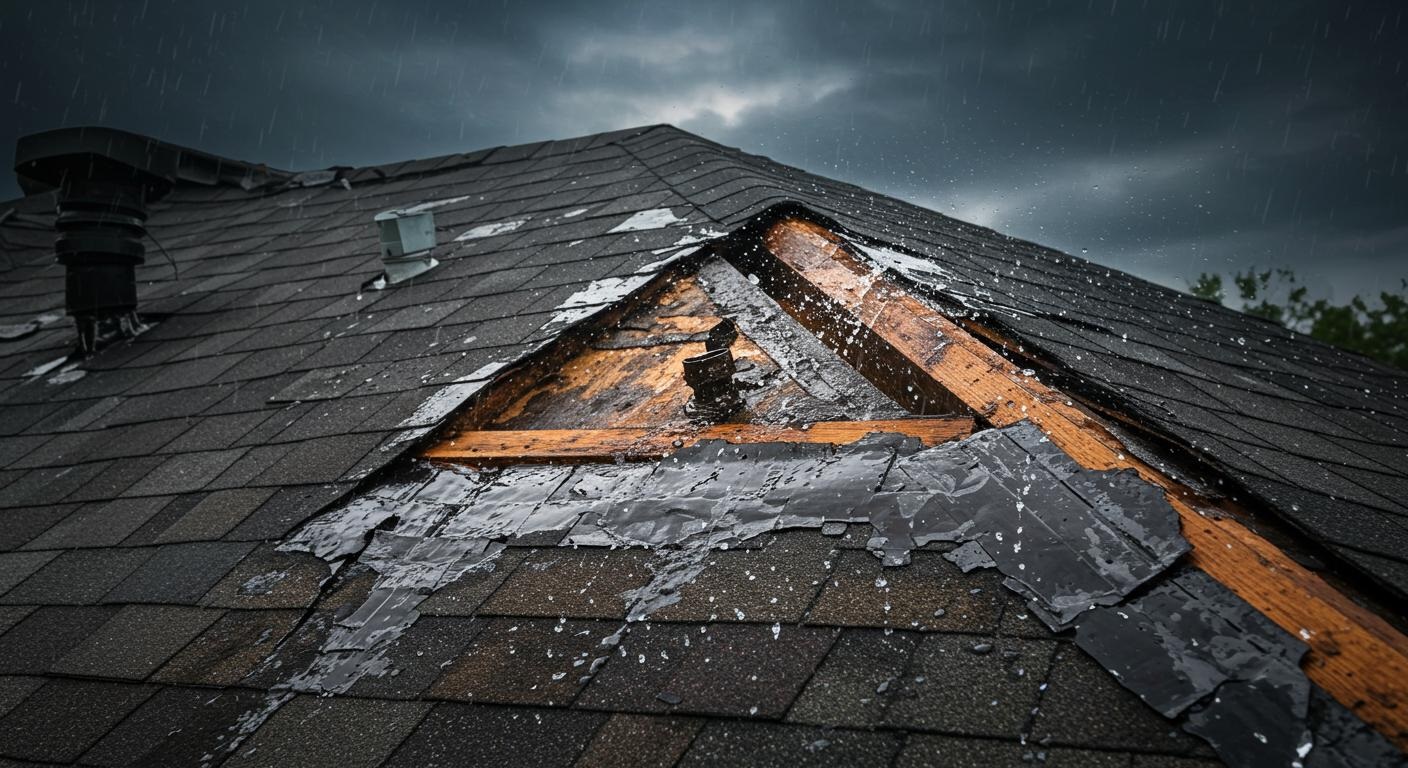
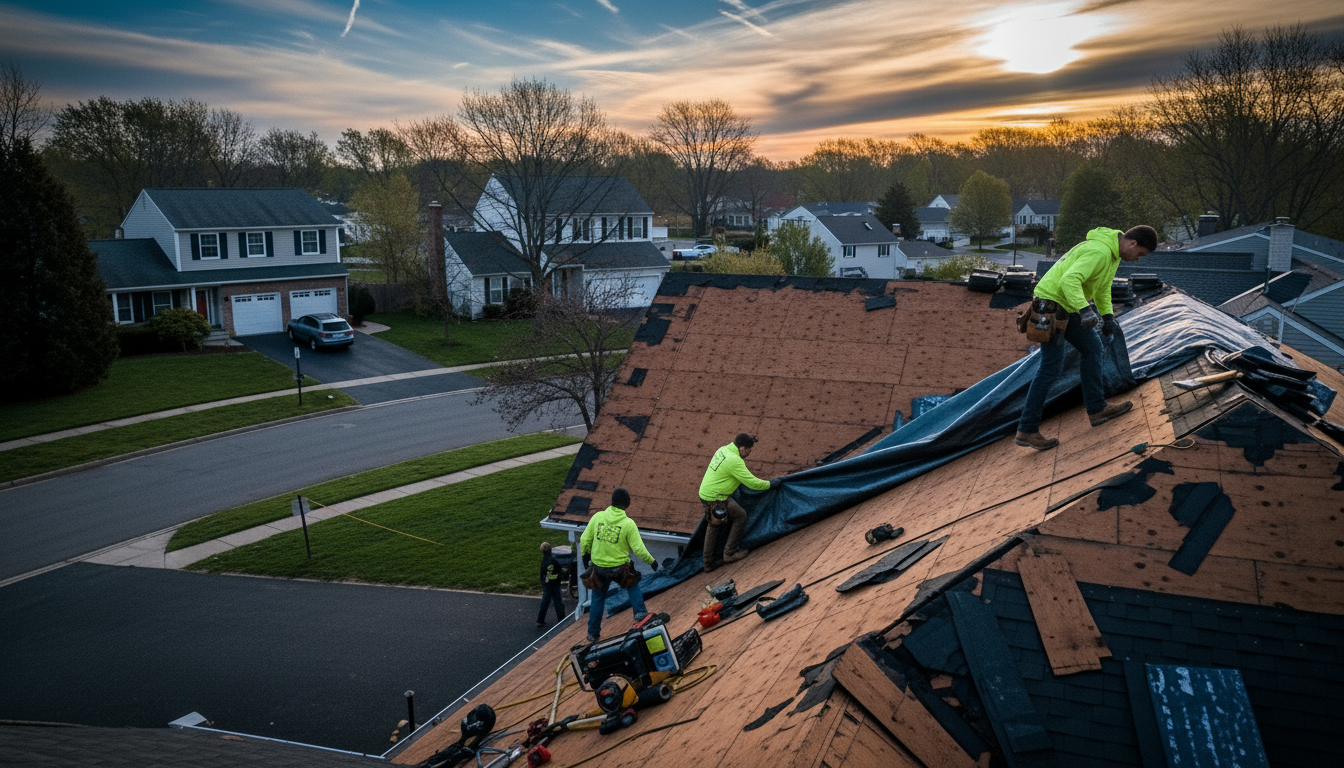
Strong winds can cause serious roof damage in a matter of minutes. From missing shingles to structural issues and water leaks, wind-related roofing problems can quickly threaten the safety and value of your home. That is why fast and professional wind damaged roof repair is essential after severe weather.
Even minor wind damage can lead to moisture intrusion, mold growth, insulation problems, and expensive structural repairs if left untreated. Understanding how wind affects your roof and knowing when to seek repairs can help protect your property and reduce long-term costs.
In this guide, you will learn about common signs of wind damage, repair methods, insurance coverage, repair costs, and preventive maintenance tips.
What Is Wind Damaged Roof Repair?
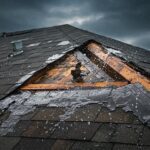
Wind damaged roof repair refers to repairing roofing systems that have been affected by high winds, storms, hurricanes, or severe weather conditions. Wind can loosen, lift, crack, or completely remove roofing materials, exposing the roof deck and interior of the home to water damage.
Professional roof repair services restore the roof’s structural integrity and weather resistance after storm damage.
How Wind Damages a Roof
High winds place pressure on roofing materials and weak areas of the roof structure.
Shingle Uplift
Strong winds can lift shingles from the edges, breaking the seal that protects the roof from water.
Missing Roofing Materials
Severe winds may completely tear off shingles, flashing, or roof panels.
Debris Impact Damage
Flying branches, tree limbs, and debris can puncture or crack roofing materials.
Water Penetration
Once roofing materials are damaged or removed, rainwater can enter the home and damage ceilings, insulation, and walls.
Structural Stress
Extreme storms may weaken the roof deck, supports, or framing components.
Common Signs of Wind Roof Damage
After a windstorm, homeowners should inspect for visible warning signs of roof damage.
Missing Shingles
Bare spots on the roof are one of the most obvious signs of wind damage.
Curled or Lifted Shingles
Shingles that no longer lie flat may have been loosened by wind uplift.
Granule Loss
Asphalt shingles may lose protective granules after storm exposure.
Damaged Flashing
Flashing around vents, chimneys, and skylights may loosen or detach.
Roof Leaks
Water stains on ceilings or walls can indicate storm-related roof damage.
Debris on the Roof
Tree branches or storm debris can damage roofing materials and gutters.
Sagging Roof Areas
Severe wind damage may compromise the roof structure, causing sagging sections.
Why Immediate Roof Repair Matters
Delaying wind damaged Roof repair can create much larger problems.
Prevents Water Damage
Quick repairs stop water from entering the home and damaging interior structures.
Reduces Repair Costs
Small roofing problems become more expensive when ignored.
Protects Structural Integrity
Timely repairs help prevent weakening of the roof deck and framing.
Prevents Mold Growth
Moisture trapped inside walls and ceilings can lead to mold and mildew.
Maintains Home Value
A damaged roof can negatively affect property value and curb appeal.
What to Do After Wind Damage
Taking the right steps after a storm can help protect your home and simplify the repair process.
Stay Safe
Avoid climbing onto the roof after severe weather. Damaged roofing materials can be unstable.
Inspect From the Ground
Look for missing shingles, fallen debris, damaged gutters, or visible roof damage.
Document the Damage
Take photos and videos for insurance claims and contractor evaluations.
Prevent Further Damage
Use temporary tarps if safe to do so or contact an emergency roofing company.
Contact a Professional Roofer
Experienced contractors can inspect the roof thoroughly and identify hidden damage.
Professional Wind Damaged Roof Repair Services
Roofing professionals provide several repair solutions depending on the extent of the damage.
Shingle Replacement
Missing or damaged shingles are replaced to restore waterproof protection.
Flashing Repair
Contractors repair or replace damaged flashing around roof penetrations.
Roof Leak Repair
Leaking areas are sealed and repaired to prevent interior water damage.
Roof Deck Repair
Water-damaged or weakened roof decking may require replacement.
Gutter and Drainage Repair
Windstorms often damage gutters, downspouts, and drainage systems.
Structural Roof Repairs
Severe storm damage may require reinforcement of rafters or support structures.
Emergency Roof Repair After Windstorms
Some storm situations require immediate emergency roof repair.
When Emergency Repairs Are Needed
- Active roof leaks
- Large missing roof sections
- Fallen trees on the roof
- Structural instability
- Interior water intrusion
Temporary Emergency Solutions
Roofing contractors may install:
- Roof tarps
- Temporary leak patches
- Emergency sealing
- Structural supports
These temporary measures help prevent further damage until permanent repairs are completed.
Wind Damaged Roof Repair Costs
Repair costs vary depending on the severity of the damage and roofing material.
Factors That Affect Repair Costs
- Roof size
- Roofing material type
- Extent of storm damage
- Labor costs
- Structural repairs needed
- Emergency service requirements
Average Repair Costs
| Repair Type | Estimated Cost |
|---|---|
| Minor Shingle Repair | $150–$500 |
| Flashing Repair | $200–$600 |
| Leak Repair | $300–$1,000 |
| Roof Deck Repair | $1,000–$3,000 |
| Major Wind Damage Repair | $3,000–$10,000+ |
In severe cases, a full roof replacement may be necessary.
Does Insurance Cover Wind Damage?
Homeowners insurance often covers wind damaged roof repair if the damage is caused by sudden weather events.
Commonly Covered Damage
- Windstorms
- Hurricanes
- Tornadoes
- Fallen tree damage
- Storm-related leaks
Insurance Claim Tips
- Report damage quickly
- Take detailed photos
- Save repair receipts
- Schedule a professional inspection
- Review your policy coverage
Working with an experienced roofing contractor can help simplify the insurance process.
Best Roofing Materials for Wind Resistance
Some roofing materials offer better protection against strong winds.
Architectural Asphalt Shingles
These shingles are thicker and more wind-resistant than standard shingles.
Metal Roofing
Metal roofs provide excellent durability and resistance to high winds.
Clay and Concrete Tiles
Tile roofing is highly durable but must be installed properly for storm resistance.
Synthetic Roofing Materials
Modern composite materials are designed for improved weather performance.
Impact-Resistant Shingles
These shingles are specially designed to withstand hail and severe weather.
How to Prevent Wind Roof Damage
Regular maintenance can help minimize storm-related roofing problems.
Schedule Roof Inspections
Professional inspections can identify weak areas before storms occur.
Secure Loose Roofing Materials
Replace damaged shingles and flashing promptly.
Trim Overhanging Trees
Tree branches can break during storms and damage the roof.
Clean Gutters and Downspouts
Proper drainage helps reduce moisture-related roofing issues.
Reinforce Roof Components
Additional fasteners and upgraded materials improve wind resistance.
Replace Aging Roofs
Older roofs are more vulnerable to wind damage and leaks.
Choosing the Right Roofing Contractor
Selecting a qualified contractor is critical for quality repairs.
Verify Licensing and Insurance
Always hire licensed and insured roofing professionals.
Check Reviews and References
Customer feedback helps identify reliable contractors.
Ask About Storm Damage Experience
Choose roofers experienced in wind damaged roof repair and insurance claims.
Request a Detailed Estimate
A written estimate should clearly outline costs and timelines.
Look for Warranty Coverage
Reliable contractors offer warranties on materials and workmanship.
Final Thoughts
Wind damaged Roof repair is essential for protecting your home after severe weather. High winds can loosen shingles, damage flashing, create leaks, and weaken the roof structure. Addressing these problems quickly helps prevent expensive repairs and protects your property from additional damage.
Regular roof inspections, preventive maintenance, and fast professional repairs are the best ways to maintain a durable and storm-resistant roof. If your home experiences wind damage, contact a trusted roofing contractor immediately to restore your roof and protect your investment.