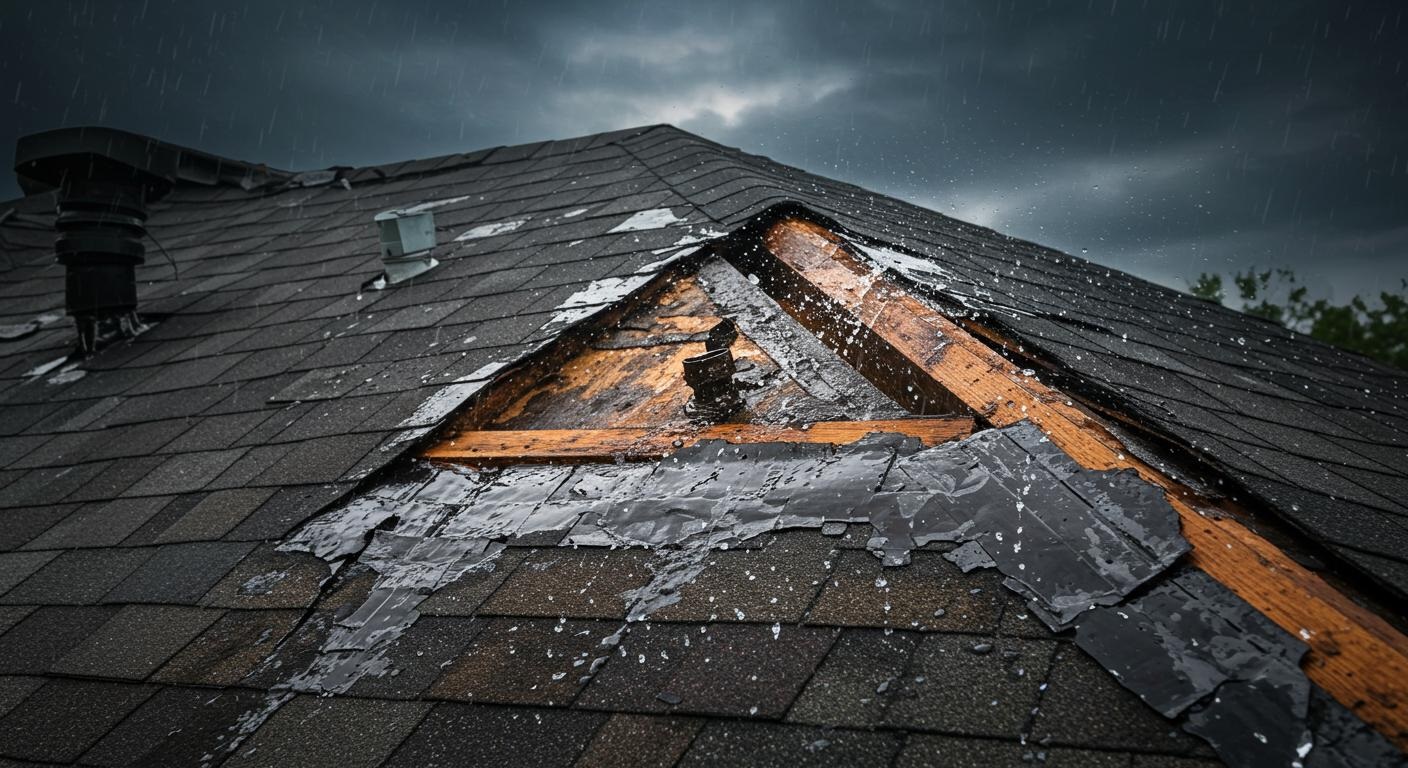
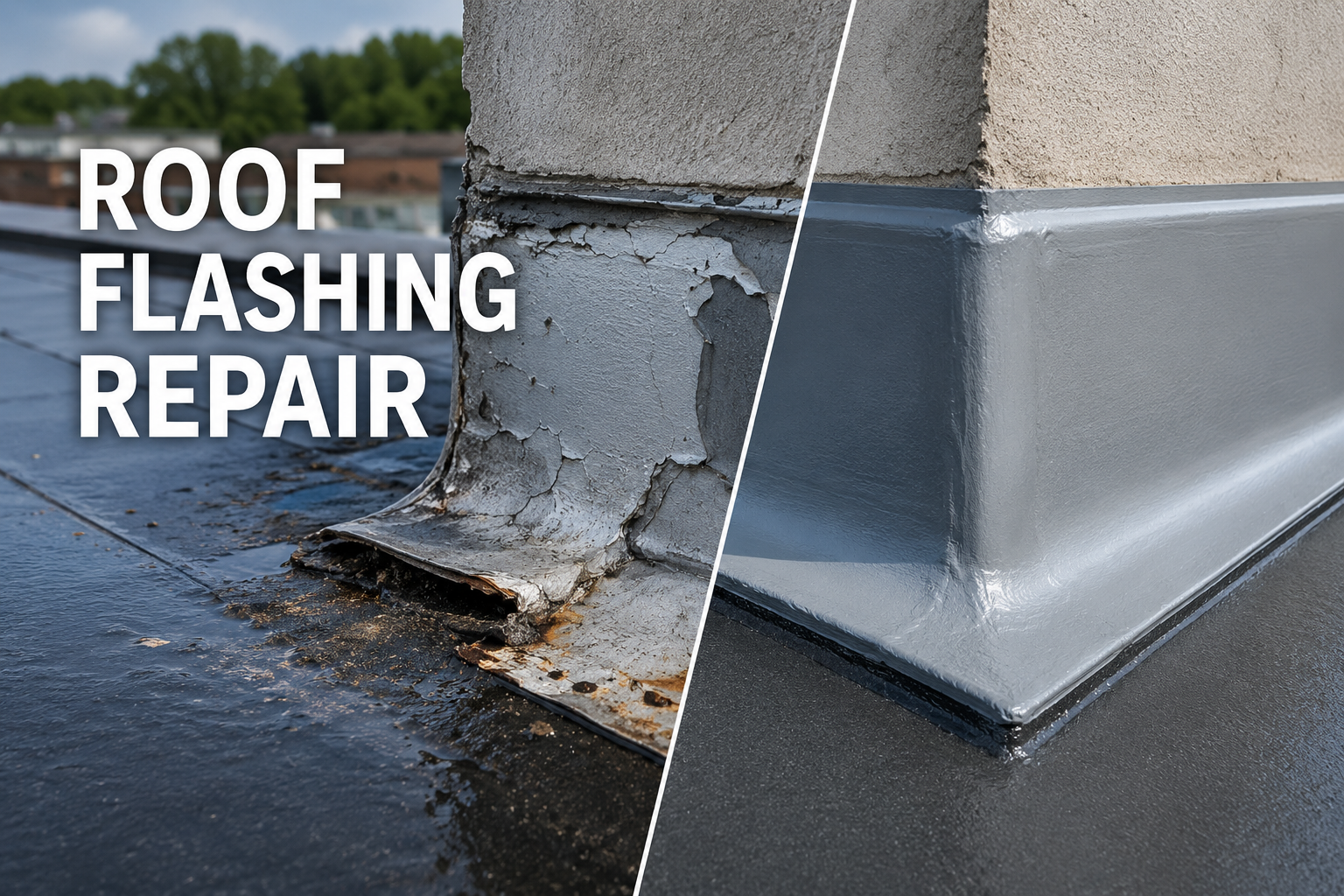
Roof flashing is one of the most important components of any roofing system. While shingles and roofing materials provide the primary layer of protection, flashing acts as a waterproof barrier around vulnerable roof areas. When flashing becomes damaged, loose, or corroded, water can penetrate the roof and cause significant structural damage. That is why timely roof flashing repair is essential for maintaining a leak-free and durable roof.
Many roof leaks originate around chimneys, skylights, vents, valleys, and roof edges where flashing is installed. Even a small flashing problem can allow water to enter your home, leading to mold growth, insulation damage, and costly repairs.
In this guide, you will learn everything about roof flashing repair, including common causes of flashing damage, warning signs, repair methods, costs, and maintenance tips.
What Is Roof Flashing?
Roof flashing is a thin material, typically made of metal, that directs water away from critical roof joints and penetrations. Flashing creates a waterproof seal around areas where the roof surface is interrupted.
Common flashing locations include: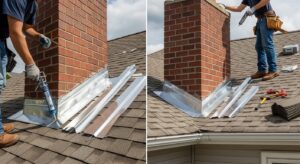
- Chimneys
- Skylights
- Roof vents
- Valleys
- Dormers
- Roof edges
- Plumbing stacks
- Wall intersections
Without properly functioning flashing, water can easily seep beneath roofing materials and damage the roof structure.
Why Roof Flashing Repair Is Important
Damaged flashing may seem like a minor issue, but it can quickly lead to major roofing problems.
Prevents Roof Leaks
Flashing serves as a barrier against water infiltration around vulnerable roof areas.
Protects Structural Components
Water entering through damaged flashing can weaken roof decking and framing.
Prevents Mold and Mildew
Moisture intrusion creates ideal conditions for mold growth.
Extends Roof Lifespan
Proper flashing maintenance helps protect roofing materials and increase roof longevity.
Reduces Repair Costs
Addressing flashing issues early prevents expensive structural repairs later.
Improves Home Value
A well-maintained roof increases curb appeal and property value.
Common Causes of Flashing Damage
Roof flashing is exposed to harsh weather conditions throughout the year. Several factors can contribute to flashing deterioration.
Weather Exposure
Rain, snow, wind, and UV rays can gradually wear down flashing materials.
Aging Materials
Over time, flashing may corrode, crack, or separate from roofing materials.
Improper Installation
Poor installation is one of the leading causes of flashing failure.
Storm Damage
Strong winds and falling debris can loosen or damage flashing sections.
Rust and Corrosion
Metal flashing may develop rust if protective coatings wear away.
Roof Movement
Natural expansion and contraction of roofing materials can loosen flashing.
Poor Roof Maintenance
Neglected roofs are more likely to develop flashing issues and leaks.
Signs You Need Roof Flashing Repair
Identifying flashing problems early can help prevent major water damage.
Roof Leaks
Water stains on ceilings or walls often indicate flashing failure.
Damaged Flashing
Visible cracks, rust, or bent flashing are common warning signs.
Missing Flashing Sections
Strong storms can loosen or completely remove flashing.
Mold Growth
Excess moisture around chimneys, skylights, or attic spaces may indicate flashing leaks.
Peeling Paint
Water intrusion can cause paint to bubble or peel around ceilings and walls.
Damp Attic Insulation
Wet insulation often signals a roof leak caused by damaged flashing.
Loose Roofing Materials
Shingles near flashing areas may become loose due to water penetration.
Types of Roof Flashing
Different roof areas require specific flashing systems.
Step Flashing
Step flashing is installed where roofs meet vertical walls.
Common Uses:
- Sidewalls
- Dormers
- Roof-to-wall intersections
Chimney Flashing
Chimney flashing creates a waterproof seal around masonry structures.
Components Include:
- Base flashing
- Step flashing
- Counter flashing
Valley Flashing
Valley flashing protects roof valleys where two roof slopes meet.
Vent Pipe Flashing
This flashing seals around plumbing vents and roof penetrations.
Drip Edge Flashing
Drip edge flashing protects roof edges and directs water into gutters.
Skylight Flashing
Specialized flashing systems prevent leaks around skylight installations.
Common Roof Flashing Repair Methods
The repair solution depends on the severity of the damage.
Flashing Resealing
Minor gaps and cracks can often be repaired using roofing sealants.
Flashing Replacement
Severely damaged flashing may require complete replacement.
Fastener Replacement
Loose nails or screws are replaced to secure flashing properly.
Rust Removal and Treatment
Corroded flashing may be cleaned and treated if damage is minimal.
Underlayment Repair
Water-damaged underlayment beneath flashing may need replacement.
Chimney Flashing Repair
Damaged chimney flashing is repaired to eliminate leaks around masonry structures.
Roof Flashing Repair Process
Professional roofing contractors follow a detailed roof repair process.
Roof Inspection
The contractor evaluates flashing condition and identifies leak sources.
Damage Assessment
All flashing components are inspected for corrosion, separation, and deterioration.
Removal of Damaged Materials
Broken flashing sections and damaged roofing materials are removed.
Installation of New Flashing
Replacement flashing is installed and secured properly.
Waterproof Sealing
Sealants and waterproof barriers are applied as needed.
Final Inspection
The repaired area is inspected to ensure leak protection and proper installation.
Roof Flashing Repair Costs
Repair costs vary depending on the extent of the damage and roof accessibility.
Factors Affecting Cost

- Roof size
- Flashing location
- Material type
- Extent of damage
- Labor costs
- Roof accessibility
Average Roof Flashing Repair Costs
| Repair Type | Estimated Cost |
|---|---|
| Minor Flashing Repair | $150–$500 |
| Flashing Resealing | $200–$600 |
| Vent Flashing Repair | $250–$750 |
| Valley Flashing Repair | $300–$1,000 |
| Chimney Flashing Repair | $400–$1,500 |
| Flashing Replacement | $500–$2,500+ |
Emergency roofing services may increase repair costs.
Roof Flashing Repair vs Replacement
Some flashing issues can be repaired, while others require replacement.
When Repair Is Enough
Repair may be appropriate when:
- Damage is minor
- Flashing remains structurally sound
- Leaks are limited
- Corrosion is minimal
When Replacement Is Necessary
Replacement may be recommended if:
- Flashing is heavily rusted
- Multiple sections are damaged
- Leaks continue after repairs
- Installation defects exist
- Flashing has reached the end of its lifespan
A professional inspection can determine the best option.
How to Prevent Flashing Problems
Routine maintenance can help extend the life of roof flashing.
Schedule Annual Roof Inspections
Professional inspections help identify flashing issues early.
Check After Storms
Inspect flashing after severe weather events.
Clean Roof Debris
Leaves and debris can trap moisture around flashing areas.
Address Leaks Immediately
Small leaks can quickly become major roofing problems.
Maintain Gutters
Proper drainage reduces moisture buildup around roof edges.
Repair Roofing Damage Promptly
Damaged shingles near flashing should be repaired immediately.
Choosing the Right Roofing Contractor
Hiring an experienced contractor ensures quality flashing repairs.
Verify Licensing and Insurance
Choose licensed and insured roofing professionals.
Check Reviews and References
Customer reviews help identify reputable contractors.
Ask About Flashing Experience
Choose contractors experienced with flashing repair and leak detection.
Request a Written Estimate
A detailed estimate should outline labor, materials, and timelines.
Review Warranty Coverage
Reliable contractors provide warranties on materials and workmanship.
Benefits of Professional Roof Flashing Repair
Professional repairs offer several advantages.
Accurate Leak Detection
Experts can locate hidden water intrusion points.
Long-Lasting Repairs
Professional installation improves durability and performance.
Enhanced Waterproofing
Proper flashing repairs provide superior leak protection.
Improved Roof Lifespan
Maintaining flashing helps protect the entire roofing system.
Reduced Future Expenses
Preventive repairs help avoid major structural damage.
Final Thoughts
Roof flashing repair is one of the most important roofing maintenance services for preventing leaks and protecting your home from water damage. Damaged flashing around chimneys, skylights, vents, and roof valleys can quickly lead to costly structural problems if left untreated.
Regular roof inspections, prompt repairs, and professional maintenance can help extend the lifespan of your roofing system while reducing repair costs. If you notice leaks, rusted flashing, water stains, or visible flashing damage, contact a qualified roofing contractor as soon as possible.
Investing in timely roof flashing repair protects your roof, improves energy efficiency, and helps maintain the long-term value of your property.