For many homeowners, the gutter system is “out of sight, out of mind”—until it isn’t. We often only notice our gutters when they are overflowing during a thunderstorm or when a heavy icicle tears a segment away from the roofline. However, waiting for a visible failure is a risky strategy. Your home is a complex system of interconnected parts, and your gutters serve as the primary drainage network. Without a consistent commitment to rain gutter repair and cleaning, you are essentially leaving your foundation, siding, and roof vulnerable to the most persistent enemy of any building: water.
In this exhaustive guide, we will break down the science of gutter maintenance, the hidden costs of neglect, and the professional techniques used to ensure your drainage system operates at peak efficiency year-round.
1. The Anatomy of a Healthy Gutter System
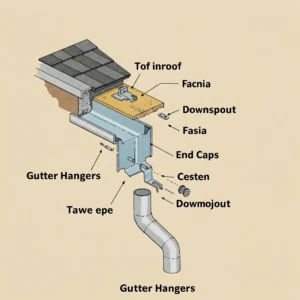
Before diving into the maintenance aspect, it is important to understand what a professional is looking for during rain gutter repair and cleaning. A gutter system is more than just a metal tray. It consists of:
-
The Troughs: The horizontal channels that collect water.
-
The Miters: The corner pieces where two troughs meet.
-
The Hangers: The brackets that secure the gutter to your home’s fascia board.
-
The Downspouts: The vertical tubes that carry water to the ground.
-
The Extensions: The pieces at the bottom of the downspout that move water at least 5–10 feet away from the foundation.
When any of these components fail, the entire system is compromised. Regular rain gutter repair and cleaning ensures that each part is inspected, tightened, and cleared of obstruction.
2. Why “DIY” Can Be a Dangerous Choice
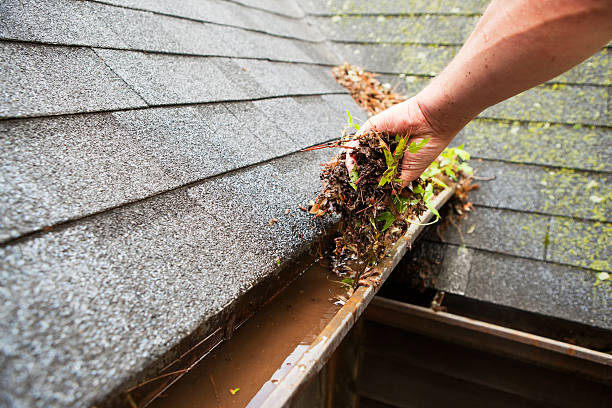
It is a common sight on weekends: a homeowner balanced precariously on a ladder, reaching out just a little too far to grab a handful of muck. The reality of gutter maintenance is that it is one of the most hazardous chores a person can perform. Ladder-related accidents account for over 150,000 emergency room visits in the U.S. annually.
Beyond physical safety, professional rain gutter repair and cleaning offers a level of thoroughness that a bucket and a garden hose cannot match. Professionals use high-velocity air or specialized pressure-flushing systems to ensure that the “elbows” of your downspouts—where most clogs actually happen—are completely clear. Furthermore, a professional can identify if your gutters have lost their “pitch.” Gutters aren’t supposed to be perfectly level; they must slope slightly toward the downspouts. If the pitch is off, water will sit in the trough, leading to rust and mosquito breeding.
3. The Hidden Costs of Gutter Neglect
Many people delay rain gutter repair and cleaning because they view it as a low-priority expense. However, the cost of neglect is far higher than the cost of maintenance.
Foundation Erosion and Cracking
When gutters clog, water pours over the side and pools at the base of your home. Over time, this water saturates the soil, causing it to expand and put immense pressure on your foundation walls. This leads to cracks, bowing, and eventually, a flooded basement. A $10,000 foundation repair can almost always be traced back to a failure to invest in rain gutter repair and cleaning.
Siding and Fascia Rot
Constant overflow keeps your siding and the wood behind your gutters (the fascia) perpetually damp. This leads to wood rot, which can spread into your roof rafters. Damp wood also attracts wood-destroying organisms like termites and carpenter ants. By the time you see the rot on the outside, the structural damage on the inside is often extensive.
4. Understanding the Repair Process: Beyond the Broom
A high-quality service provider does more than just scoop out leaves. The “repair” portion of rain gutter repair and cleaning is where the real value lies. Here are the three most common repairs that save homeowners thousands:
-
Seam Resealing: Most gutters are “sectional,” meaning they have seams every 10–20 feet. These seams are held together with sealant that eventually dries out and leaks. Professionals remove the old caulk, clean the area with specialized solvents, and apply high-grade tri-polymer sealants.
-
Spike-to-Screw Upgrades: Older gutters were often installed with “spikes and ferrules” (large nails). These pull out over time as the house settles or snow gets heavy. We replace these with heavy-duty hidden hangers and galvanized screws that “bite” into the wood for a permanent hold.
-
Downspout Re-anchoring: Wind and heavy rain can knock downspouts loose. During a rain gutter repair and cleaning session, we ensure every strap is tight and every elbow is riveted together so the system doesn’t fall apart during the next storm.
5. Seasonal Challenges: Spring vs. Fall
Your maintenance needs change based on the calendar.
-
Spring Maintenance: This is focused on “the big flush.” Spring rains are often torrential. We clear out the “oak tassels” and seed pods that fall in April and May, which act like a thick mat, blocking water flow.
-
Fall Maintenance: This is the most critical time for rain gutter repair and cleaning. As trees shed their leaves, your gutters can fill up in a matter of days. If these leaves are left through the winter, they turn into a frozen “brick” of ice and muck, causing your gutters to pull away from the house due to the extreme weight.
6. Gutter Guards: A Smart Addition, Not a Total Cure
Many clients ask if they can stop doing rain gutter repair and cleaning if they install guards. The honest answer is: no, but you can do it less often. Even the best micro-mesh guards can accumulate “shingle grit” (the tiny pebbles that fall off your roof) or fine silt. While guards prevent large clogs and nesting birds, you should still have a professional check the system annually to ensure the downspouts haven’t accumulated fine sediment.
7. The Environmental Impact of Healthy Gutters
Well-maintained gutters also play a role in environmental protection. When water is properly diverted into rain barrels or designated drainage areas, it prevents “non-point source pollution.” This is when rainwater picks up chemicals from your roof or driveway and carries them directly into the local water table. By keeping up with rain gutter repair and cleaning, you are helping manage the water runoff in your community more responsibly.
8. What to Look for in a Service Provider
When you are ready to hire a company for rain gutter repair and cleaning, don’t just go for the cheapest bid. Ensure the company is:
-
Fully Insured: This protects you if a worker falls on your property.
-
Comprehensive: They should offer both cleaning and minor repairs in one visit.
-
Transparent: They should provide before-and-after photos so you can see the work without having to climb a ladder yourself.
Conclusion: Take Pride in Your Home’s Protection
Your home is likely your most significant financial asset. Protecting it requires a proactive mindset. Rain gutter repair and cleaning may not be as exciting as a kitchen remodel or a new deck, but it is far more essential to the “health” of your building.
A clean, well-pitched, and leak-free gutter system gives you peace of mind. When the sky turns gray and the rain starts to fall, you won’t have to worry about your basement flooding or your siding rotting. You can sit back and listen to the rain, knowing your drainage system is doing exactly what it was designed to do.
Don’t wait for the next leak. Contact us today to schedule your professional rain gutter repair and cleaning and give your home the care it deserves!