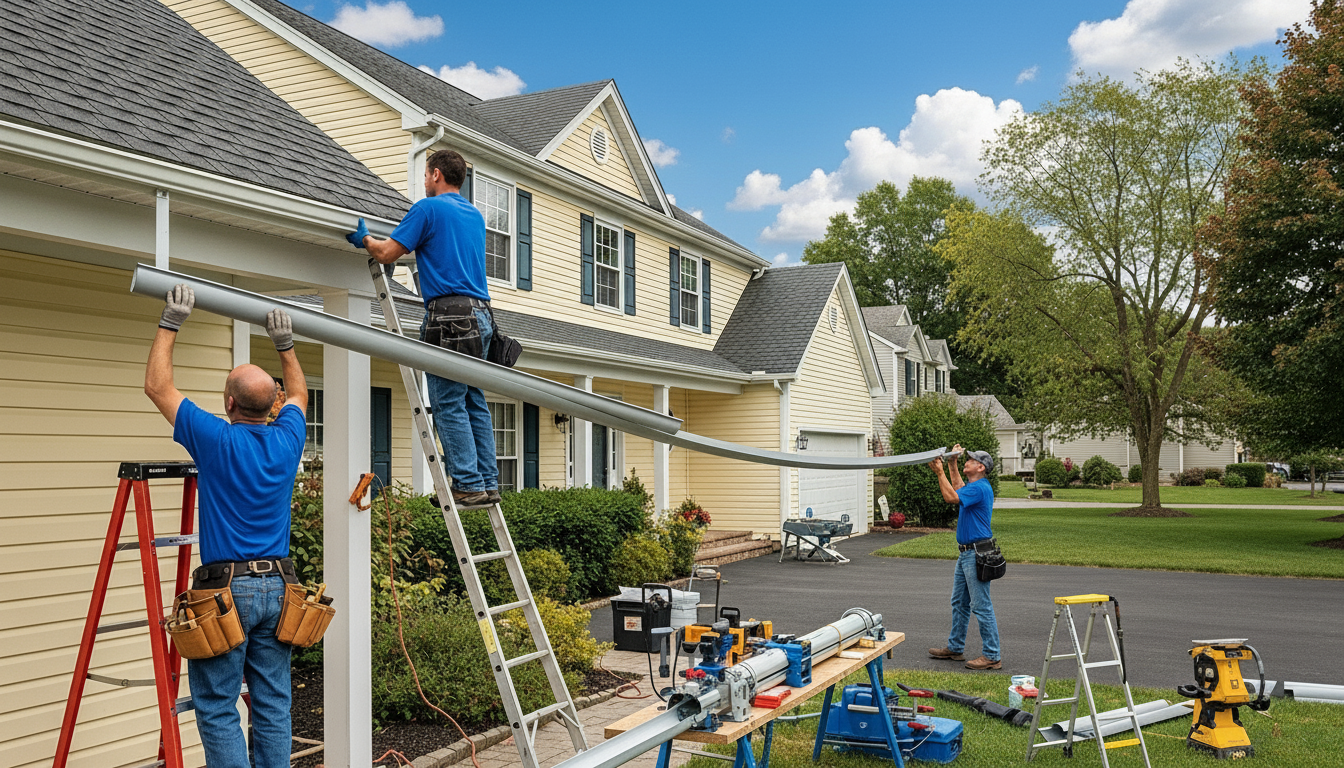
Overflowing gutters are one of the most common exterior drainage problems homeowners face. When gutters cannot properly direct rainwater away from the roof and foundation, serious damage can occur. Water overflowing from gutters can damage siding, roofing, landscaping, foundations, and even interior walls.
Timely overflowing gutter repair helps protect your home from costly structural issues and moisture damage. Whether the problem is caused by clogs, improper installation, sagging gutters, or damaged downspouts, addressing the issue quickly is essential.
In this guide, you will learn the causes of overflowing gutters, warning signs, repair solutions, maintenance tips, and how to prevent future drainage problems.
What Causes Gutters to Overflow?
Gutters are designed to collect and direct rainwater safely away from your home. When something interrupts this process, water begins spilling over the edges.
Clogged Gutters
Leaves, twigs, dirt, and debris are the most common causes of overflowing gutters. Blocked gutters prevent water from flowing properly to the downspouts.
Blocked Downspouts
When downspouts become clogged, water backs up inside the gutter system and overflows during rainfall.
Improper Gutter Slope
Gutters need a slight angle to direct water toward the downspouts. Poor installation or shifting can cause standing water and overflow.
Sagging Gutters
Loose fasteners or excess debris weight can cause gutters to sag away from the roofline.
Heavy Rainfall
Intense storms may overwhelm undersized or poorly maintained gutter systems.
Damaged Gutters
Cracks, holes, separated joints, or rust can affect drainage performance.
Roof Drainage Problems
Certain roof designs may direct too much water into one section of the gutter system.
Why Overflowing Gutter Repair Is Important
Ignoring overflowing gutter repair can lead to major property damage over time.
Prevents Foundation Damage
Excess water near the foundation can weaken soil and cause cracks or shifting.
Protects the Roof
Standing water near the roof edge can damage shingles, fascia boards, and roof decking.
Prevents Basement Flooding
Improper drainage increases the risk of water entering the basement or crawl space.
Reduces Siding Damage
Overflowing water can stain, rot, or weaken exterior siding materials.
Stops Mold and Mildew Growth
Moisture buildup around the home creates ideal conditions for mold development.
Preserves Landscaping
Heavy runoff can erode soil and damage flower beds, plants, and grass.
Signs You Need Overflowing Gutter Repair
Homeowners should watch for warning signs that indicate drainage problems.
Water Spilling Over the Sides
Visible overflowing gutter repair during rainstorms is the most obvious sign of gutter problems.
Sagging Gutters
Gutters pulling away from the home may indicate excess weight or loose hardware.
Standing Water in Gutters
Water that remains inside the gutters after rainfall suggests poor drainage.
Water Stains on Siding
Discoloration or streaks on exterior walls may result from overflowing gutters.
Pooling Water Near the Foundation
Water collecting around the base of the home can signal gutter drainage issues.
Plant Growth Inside Gutters
Weeds or moss growing inside gutters indicate long-term debris buildup.
Peeling Paint or Rot
Moisture exposure can damage fascia boards and exterior paint.
Common Overflowing Gutter Repair Solutions
Professional contractors use several repair methods depending on the cause of the problem.
Gutter Cleaning
Removing leaves, dirt, and debris restores proper water flow.
Downspout Cleaning

Clogged downspouts are cleared to improve drainage efficiency.
Gutter Realignment
Contractors adjust gutter slope to ensure water flows correctly toward the downspouts.
Fastener Replacement
Loose or damaged brackets and hangers are replaced to secure sagging gutters.
Gutter Sealing
Leaks and separated joints are sealed to prevent water escape.
Downspout Extensions
Extensions help move water farther away from the foundation.
Gutter Replacement
Severely damaged or outdated gutters may need complete replacement.
DIY vs Professional Gutter Repair
Some gutter issues can be handled by homeowners, while others require professional expertise.
DIY Gutter Maintenance
Homeowners may safely perform:
- Basic gutter cleaning
- Minor debris removal
- Visual inspections
- Small sealant repairs
When to Hire a Professional
Professional Gutter repair is recommended for:
- Multi-story homes
- Major sagging issues
- Damaged gutter systems
- Persistent overflow problems
- Structural fascia damage
- Unsafe roof access
Experienced contractors can identify hidden drainage issues and provide long-lasting solutions.
Overflowing Gutter Repair Costs
Repair costs depend on the extent of the damage and the type of gutter system.
Factors Affecting Cost
- Length of the gutter system
- Height of the home
- Extent of clogging or damage
- Gutter material
- Labor costs
- Replacement parts needed
Average Gutter Repair Costs
| Repair Type | Estimated Cost |
|---|---|
| Basic Gutter Cleaning | $100–$300 |
| Downspout Cleaning | $75–$250 |
| Gutter Resealing | $150–$500 |
| Sagging Gutter Repair | $200–$600 |
| Gutter Section Replacement | $300–$1,000 |
| Full Gutter Replacement | $1,500–$5,000+ |
Costs may vary depending on roof accessibility and local labor rates.
Best Gutter Materials for Durability
Choosing durable gutter materials helps reduce maintenance and overflow issues.
Aluminum Gutters
Aluminum gutters are lightweight, rust-resistant, and affordable.
Copper Gutters
Copper offers exceptional durability and a premium appearance.
Steel Gutters
Steel gutters are strong but may require rust protection.
Vinyl Gutters
Vinyl gutters are inexpensive and easy to install but may crack in extreme temperatures.
Seamless Gutters
Seamless systems reduce leaks and improve overall drainage performance.
How to Prevent Gutters From Overflowing
Preventive maintenance is the best way to avoid drainage problems.
Clean Gutters Regularly
Remove debris at least twice a year, especially during fall and spring.
Install Gutter Guards
Gutter guards help reduce debris buildup and improve water flow.
Inspect Gutters After Storms
Check for loose sections, clogs, or visible damage after severe weather.
Trim Overhanging Trees
Tree branches can drop leaves and debris directly into gutters.
Check Downspout Drainage
Ensure downspouts direct water away from the home’s foundation.
Schedule Professional Inspections
Routine inspections help identify small problems before they become major overflowing gutter repair.
How Overflowing Gutters Affect Your Roof
Many homeowners overlook the connection between gutters and roofing systems.
Fascia Board Damage
Overflowing water can rot the fascia boards that support the gutters.
Roof Edge Deterioration
Water backup near the roof edge can damage shingles and underlayment.
Ice Dam Formation
In colder climates, clogged gutters can contribute to ice dams and roof leaks.
Moisture Under Roofing Materials
Standing water may seep beneath shingles and cause hidden roof damage.
Proper gutter maintenance helps extend the lifespan of your roof.
Choosing the Right Gutter Repair Contractor
Hiring a reliable contractor ensures proper repairs and long-term drainage performance.
Verify Licensing and Insurance
Choose licensed and insured professionals for safety and protection.
Check Reviews and References
Customer feedback helps identify trustworthy contractors.
Ask About Experience
Look for contractors experienced with gutter repair and drainage systems.
Request a Detailed Estimate
A written estimate should clearly explain labor, materials, and timelines.
Ask About Warranties
Quality contractors often provide warranties on repairs and installations.
Final Thoughts
Overflowing gutter repair is essential for protecting your home from water damage, foundation issues, and costly structural repairs. Clogged gutters, poor drainage, sagging sections, and damaged downspouts can all lead to serious moisture problems if left untreated.
Routine gutter cleaning, regular inspections, and timely repairs help maintain proper drainage and extend the life of your roofing and exterior systems. If you notice water spilling over your gutters, standing water, or visible gutter damage, contact a professional overflowing gutter repair contractor before the problem worsens.
A properly functioning gutter system is one of the most important parts of protecting your home from rainwater damage year-round.