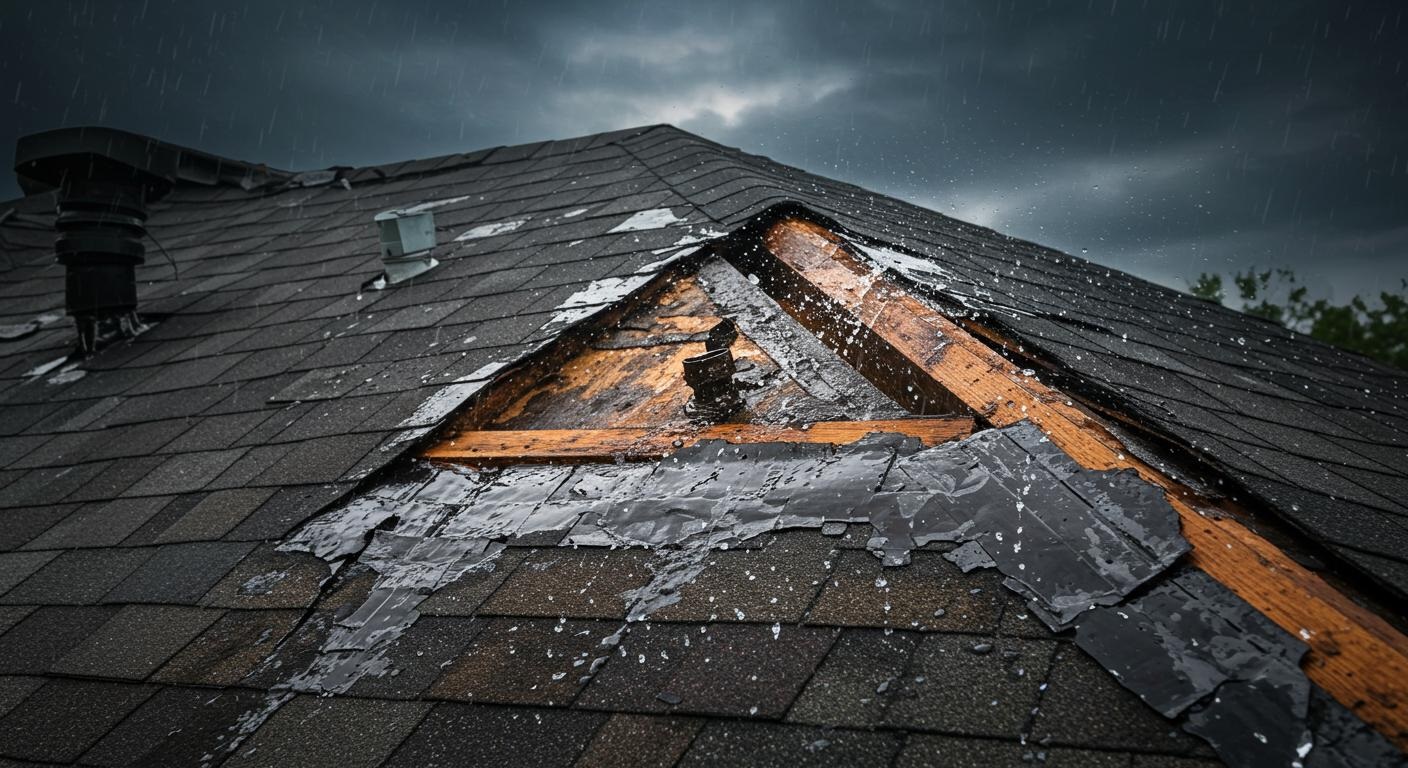
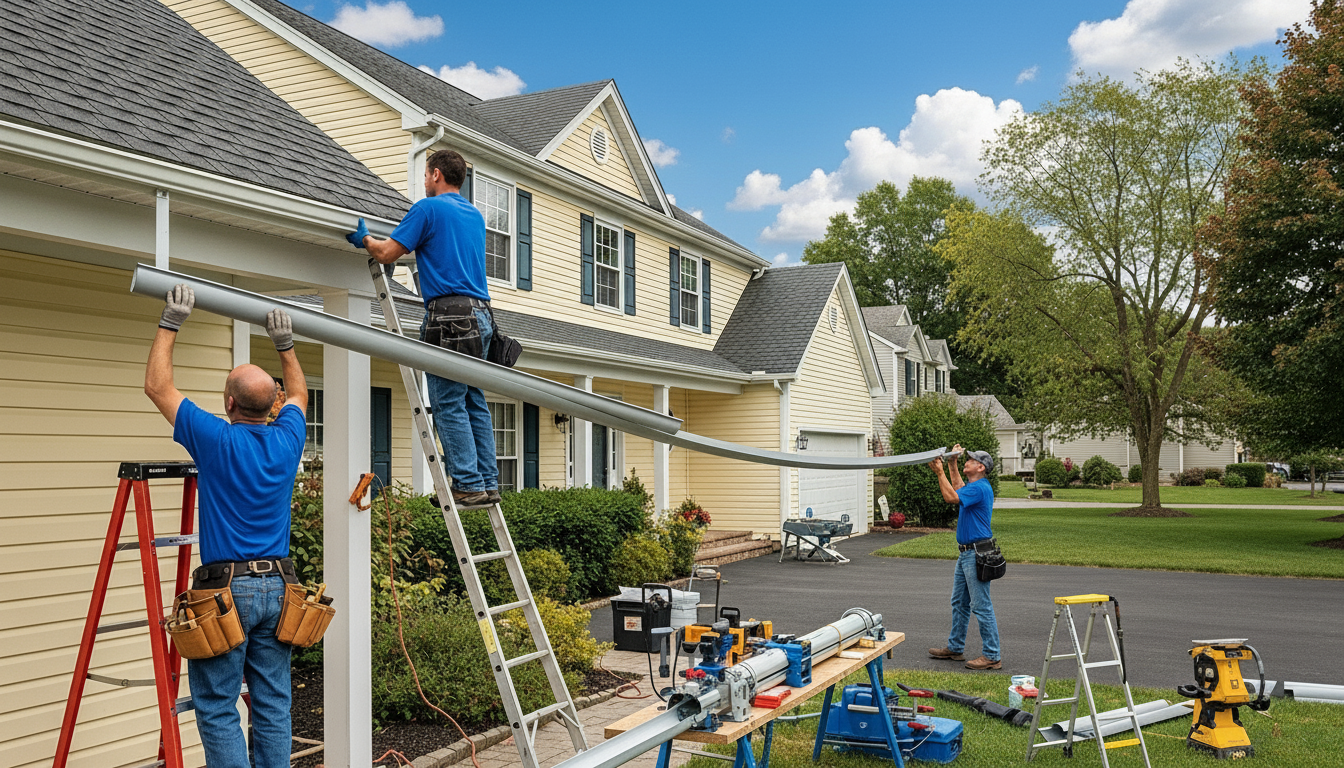
Regular gutter maintenance is essential to keep the system working properly throughout the year. Leaves, twigs, dirt, roof granules, and other debris can restrict water flow, while loose fasteners, damaged joints, sagging sections, and clogged downspouts can gradually reduce the performance of the entire drainage system.
For more than 40 years, JVW Roofing has helped homeowners protect and improve their properties with professional roofing and exterior services. As a licensed contractor, we understand how gutters work together with the roof, siding, fascia, downspouts, and foundation to manage rainwater effectively.
This guide covers nine essential gutter maintenance tips, common warning signs, seasonal care, downspout maintenance, gutter guards, and when professional help may be the better option.
Why Is Gutter Maintenance Important?
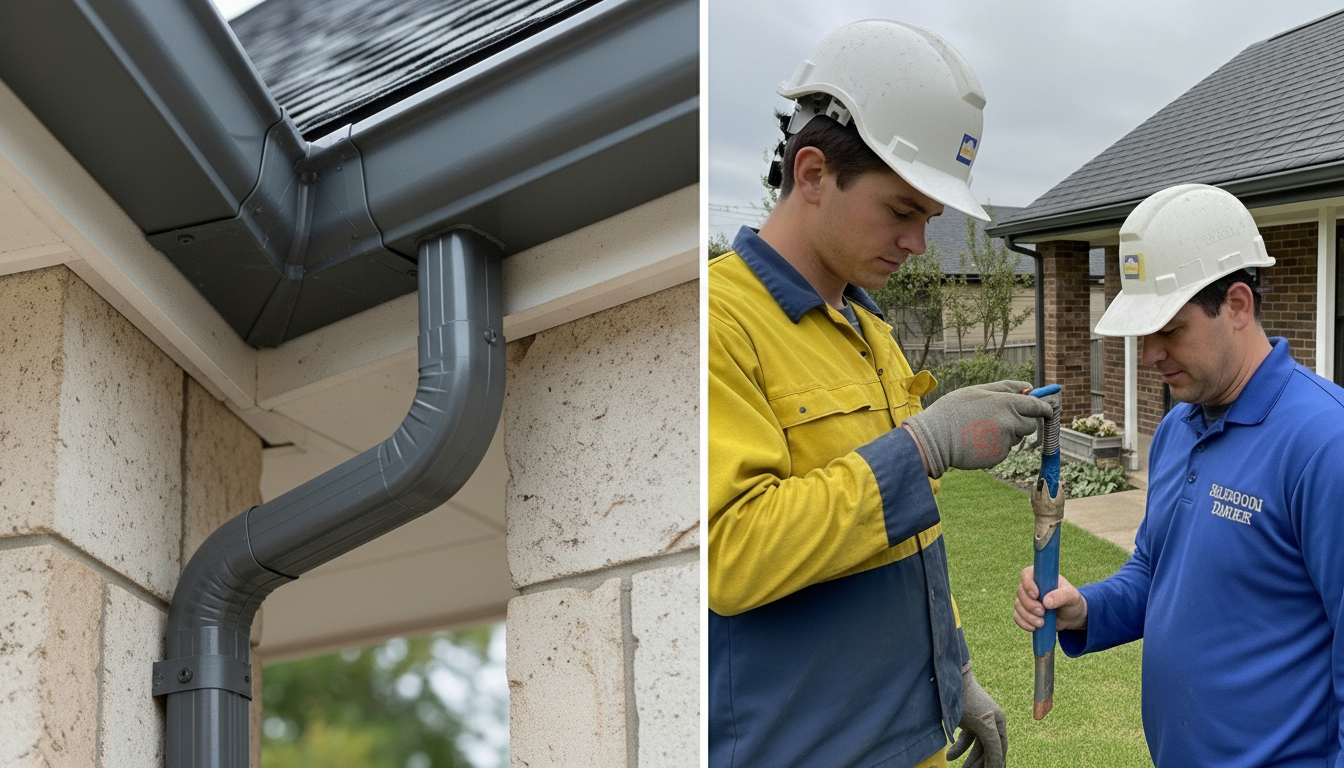
Gutters are part of your home’s overall water-management system. When they become clogged or damaged, rainwater may overflow or collect in areas where it can cause problems.
Proper maintenance can help protect against:
- Foundation moisture
- Basement or crawl-space water
- Roof-edge damage
- Siding stains
- Fascia deterioration
- Soil erosion
- Landscape damage
- Ice buildup
- Mold and mildew
- Premature gutter failure
Routine maintenance is usually much less expensive than repairing damage caused by uncontrolled water.
9 Essential Gutter Maintenance Tips
1. Inspect Your Gutters Regularly
A visual inspection is one of the simplest ways to catch problems before they become expensive.
Check the system for:
- Cracks
- Holes
- Rust
- Sagging sections
- Loose hangers
- Separated joints
- Damaged end caps
- Peeling paint
- Water stains
- Loose downspouts
You should also inspect the roof edge and fascia for signs of moisture or deterioration.
A problem that looks small from the ground may indicate a larger drainage issue, so persistent problems deserve closer attention.
2. Keep Gutters Free of Debris
Leaves and organic debris are among the most common causes of gutter problems.
When debris builds up, water may stop flowing toward the downspouts. Instead, it can remain trapped inside the gutter or overflow over the sides.
Common gutter debris includes:
- Leaves
- Pine needles
- Small branches
- Dirt
- Moss
- Roof granules
- Seeds and other organic material
Homes surrounded by mature trees may require more frequent attention than properties with limited vegetation.
Regular cleaning helps maintain water flow and reduces unnecessary weight on the gutter system.
3. Check and Clean Downspouts
Cleaning the gutter itself is only part of proper gutter maintenance.
Downspouts are responsible for carrying collected rainwater away from the roofline. A blocked downspout can cause the entire gutter section to back up.
Look for:
- Slow drainage
- Water remaining in the gutter
- Overflow near the outlet
- Debris at the downspout opening
- Loose connections
- Water pooling near the foundation
After cleaning, make sure water can move freely through the downspout and discharge away from the house.
Downspout extensions can also help direct water farther away from the foundation where necessary.
4. Look for Sagging Gutters
A properly installed gutter should maintain a consistent line and slope.
If a section begins to sag, possible causes include:
- Loose fasteners
- Excess debris
- Water accumulation
- Damaged hangers
- Deteriorated fascia
- Improper installation
Sagging can prevent water from flowing correctly and may create standing water inside the gutter.
Small alignment problems may be repairable, but widespread sagging can indicate that the gutter system needs more substantial work.
5. Check the Gutter Slope
Gutters need the correct pitch to move water toward the downspouts.
If the slope is incorrect, water may collect in low sections rather than draining efficiently.
Signs of a potential slope problem include:
- Standing water
- Repeated overflow
- Excessive debris buildup
- Sagging sections
- Water draining slowly
A professional can evaluate the pitch and adjust the gutter system if necessary.
This is especially important when a gutter has been repaired or repositioned after years of use.
6. Inspect Fascia and Soffits
The gutter system attaches to or is supported by components along the roof edge, including fascia.
If the fascia becomes weakened by moisture or rot, it may no longer provide adequate support for the gutter.
Watch for:
- Soft wood
- Peeling paint
- Dark discoloration
- Crumbling material
- Visible rot
- Loose trim
- Water stains
Soffits should also be checked for moisture damage and ventilation issues.
If the supporting structure is deteriorated, replacing the gutter alone may not solve the problem.
7. Inspect Gutters After Severe Weather
Storms can affect gutters even when there is no obvious damage from the ground.
After heavy rain, high winds, hail, or falling branches, check for:
- Detached sections
- Bent gutters
- Damaged downspouts
- Loose hangers
- Cracked joints
- Blockages
- Overflow stains
- Missing components
Storm inspections are especially important when trees are located close to the home.
Addressing damage early may prevent the problem from affecting the roof edge, siding, or foundation.
8. Consider Gutter Guards
Gutter guards are designed to reduce the amount of leaves and debris entering the gutter system.
They can be useful for homes with:
- Large trees
- Frequent leaf buildup
- Difficult-to-access rooflines
- High-maintenance gutters
Potential benefits include:
- Less debris accumulation
- Reduced cleaning frequency
- Improved convenience
- Better control of organic buildup
However, gutter guards do not mean the system can be ignored.
Debris can collect on top of the guards, and the gutters, downspouts, and surrounding components should still be inspected periodically.
The right gutter guard depends on the home’s roof design, surrounding vegetation, and existing gutter system.
9. Schedule Professional Gutter Maintenance When Needed
Some maintenance tasks are straightforward, but professional service is valuable when the system is difficult to access or shows signs of deterioration.
Consider professional gutter maintenance when:
- The home has multiple stories
- The roof is steep
- Gutters are difficult to reach
- Overflow continues after cleaning
- Gutters are sagging
- Downspouts remain clogged
- Fascia appears damaged
- Water is pooling near the foundation
- The system requires frequent repairs
A professional can inspect the complete drainage system rather than focusing on one visible symptom.
How Often Should Gutters Be Maintained?

There is no single maintenance schedule that works for every home.
Your ideal frequency depends on:
- Number of trees near the house
- Type of roofing
- Roof design
- Local weather
- Gutter size
- Surrounding vegetation
- Presence of gutter guards
Many homeowners benefit from maintenance at least twice a year, particularly during spring and fall.
However, properties surrounded by trees may require more frequent inspections.
A good rule is to inspect the gutters whenever you notice overflowing water, slow drainage, visible debris, or changes in the system’s appearance.
Seasonal Gutter Maintenance
Different seasons can create different drainage challenges.
Spring Gutter Maintenance
Spring is a good time to inspect the system after winter.
Look for:
- Ice-related damage
- Loose brackets
- Cracked joints
- Debris accumulation
- Downspout blockages
Spring cleaning also helps prepare the system for seasonal rainfall.
Summer Gutter Maintenance
Summer storms can produce significant amounts of runoff in a short period.
Inspect the system after severe storms and make sure:
- Downspouts are secure
- Water drains away from the foundation
- Gutters are not overflowing
- Fasteners remain tight
Fall Gutter Maintenance
Fall often creates the heaviest debris load because of falling leaves.
Cleaning and inspection are particularly important when trees are close to the roofline.
Don’t wait until gutters are completely packed with leaves before addressing them.
Winter Gutter Maintenance
Cold weather can create additional challenges.
Look for:
- Ice buildup
- Detached sections
- Cracks
- Drainage problems
- Overflow near roof edges
Properly functioning gutters and downspouts can help reduce water-management issues during freeze-thaw cycles.
Signs Your Gutters Need More Than Maintenance
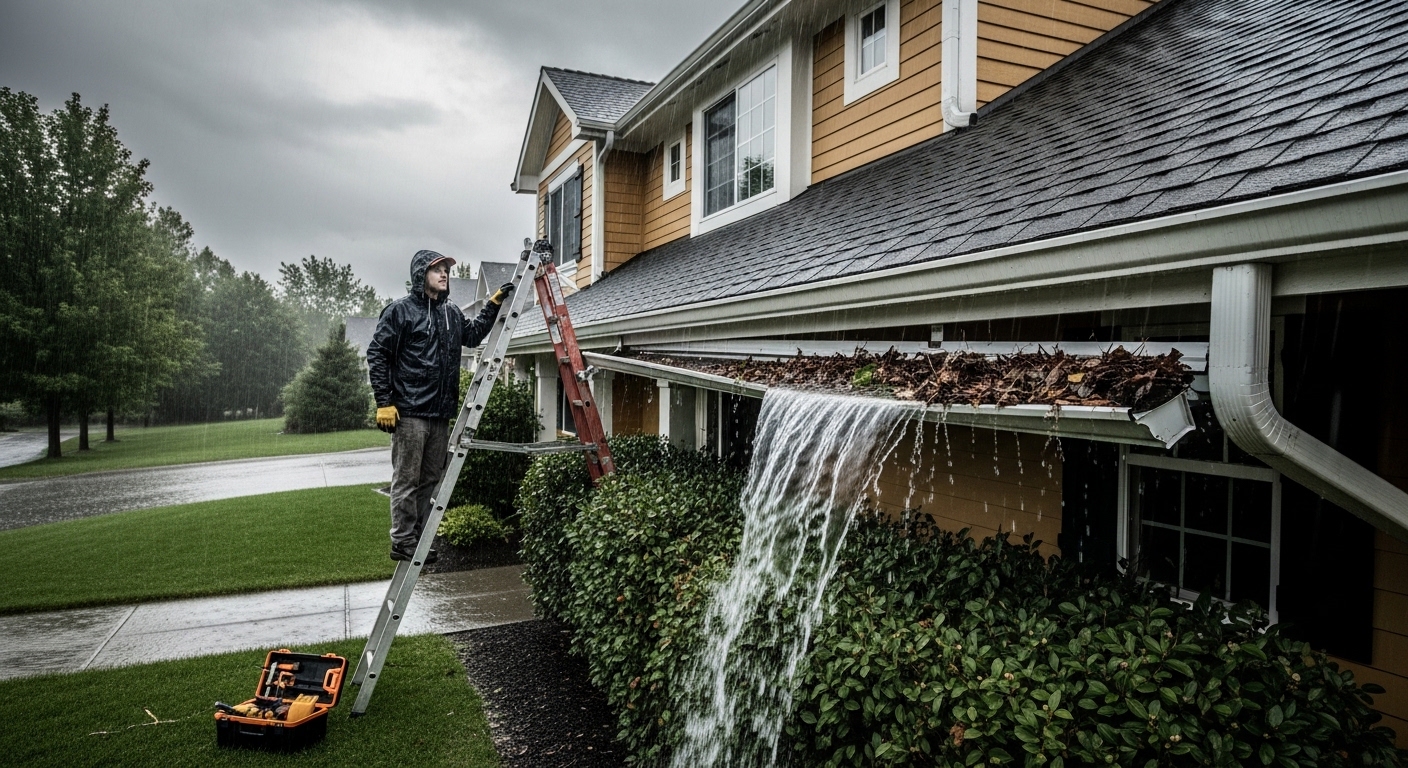
Sometimes cleaning isn’t enough.
You may need professional repair or replacement if you notice:
- Persistent leaks
- Large cracks or holes
- Widespread rust
- Major sagging
- Gutters pulling away from the house
- Repeated overflow
- Damaged downspouts
- Rot around the fascia
- Frequent repairs
If the system is severely deteriorated, replacing it may provide better long-term value than continuing to repair individual sections.
Gutter Maintenance vs. Gutter Repair
Maintenance and repair serve different purposes.
Maintenance focuses on prevention:
- Cleaning debris
- Flushing downspouts
- Inspecting fasteners
- Checking drainage
- Removing buildup
- Looking for early warning signs
Repair focuses on correcting existing damage:
- Fixing leaks
- Replacing hangers
- Repairing damaged sections
- Adjusting gutter pitch
- Reattaching loose gutters
- Repairing downspouts
Routine maintenance helps identify repair needs before they become major problems.
How Gutter Maintenance Protects Your Home
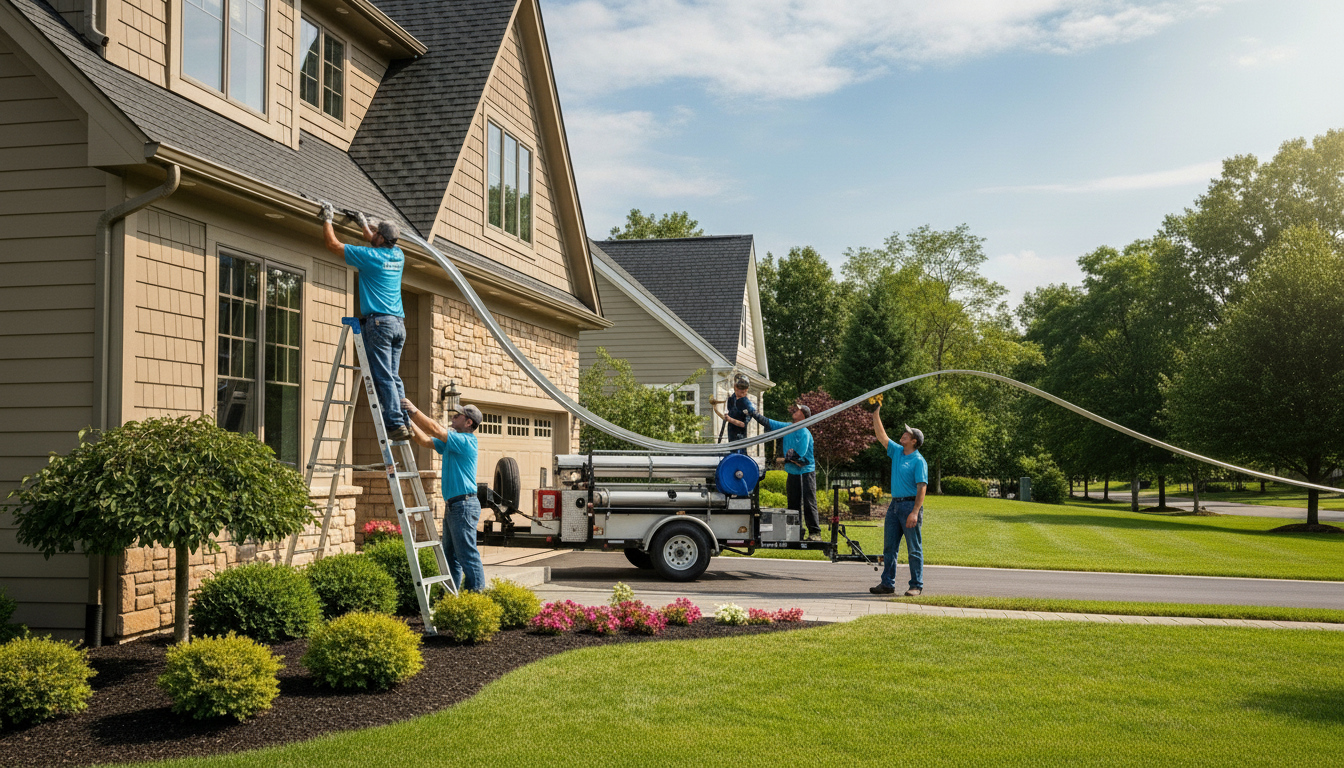
A properly maintained gutter system contributes to the protection of several important parts of your home.
Roof
Effective drainage helps control runoff along the roof edge.
Foundation
Properly positioned downspouts help move water away from the foundation.
Siding
Controlling runoff can reduce splashback and water staining on exterior walls.
Landscaping
Directing water toward suitable discharge areas helps reduce soil erosion.
Fascia and Soffits
Maintained gutters help reduce prolonged moisture exposure around roof-edge components.
Basement or Crawl Space
Reducing concentrated runoff near the foundation can help manage moisture around below-grade spaces.
How to Choose a Gutter Maintenance Professional
When hiring a contractor, look beyond price.
Consider:
Licensing and Insurance
Choose a properly licensed and insured contractor.
Experience
Look for a company with experience working on gutters, roofing, siding, and other exterior systems.
Reviews
Check customer feedback for communication, professionalism, workmanship, and reliability.
Scope of Service
Ask whether the inspection includes:
- Gutters
- Downspouts
- Fascia
- Soffits
- Roof edge
- Drainage discharge points
Written Recommendations
A professional should explain what they found and clearly distinguish between maintenance, repair, and replacement needs.
Why Homeowners Choose JVW Roofing
JVW Roofing is a GAF Master Elite® Contractor an exclusive distinction held by only the top 3% of roofing contractors in the United States.
As a licensed contractor, we understand that effective gutter performance depends on more than the gutter itself. Roof runoff, fascia, soffits, downspouts, siding, and foundation drainage all play a role in the home’s overall water-management system.
Our services include:
- Gutter maintenance
- Gutter cleaning
- Gutter repair
- Gutter replacement
- Gutter installation
- Seamless gutters
- Gutter guards
- Roof repair
- Roof replacement
- Siding installation
- Siding replacement
- Window services
- Door services
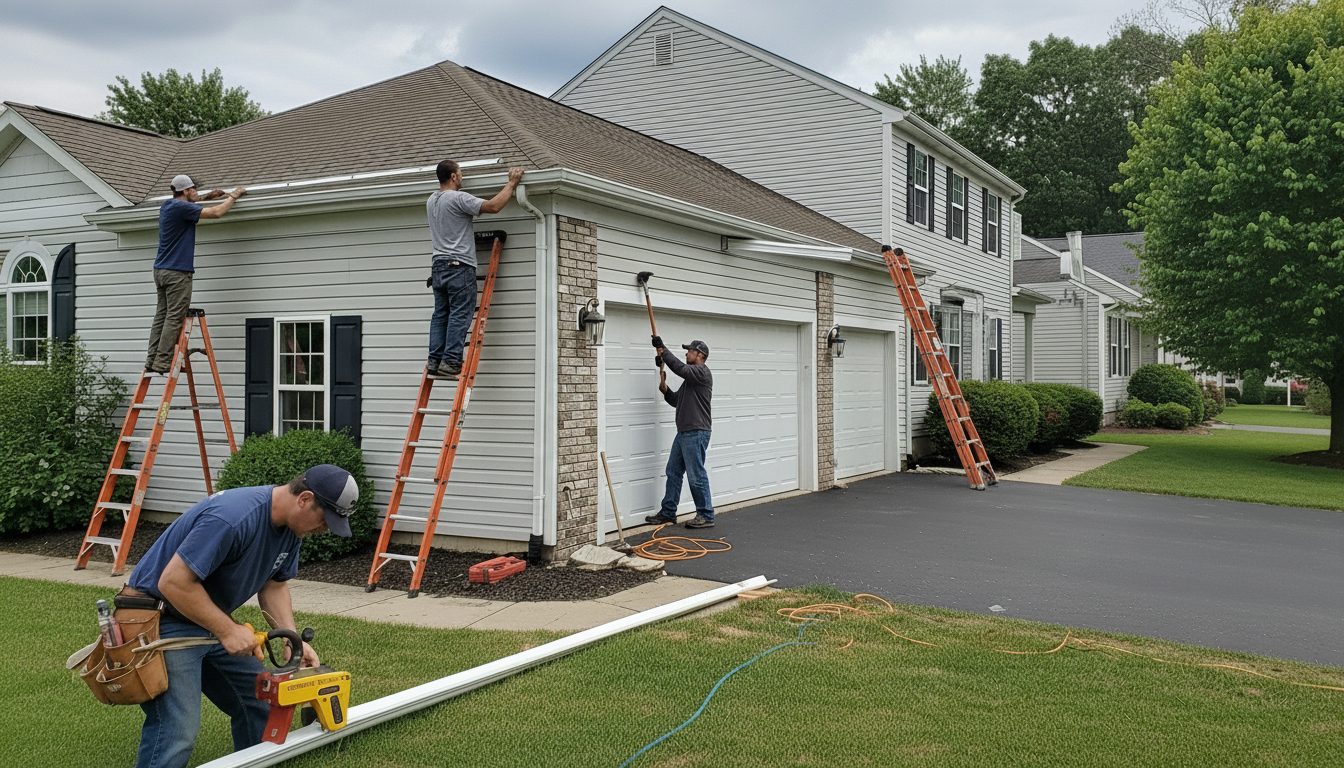
Our team focuses on practical recommendations, quality workmanship, and long-term protection for your home.
Frequently Asked Questions
How often should gutters be maintained?
Many homeowners benefit from gutter inspection and cleaning at least twice a year, particularly in spring and fall. Homes surrounded by trees may require more frequent attention.
What happens if gutters are not maintained?
Neglected gutters can become clogged, overflow, sag, leak, or separate from the home. These problems may contribute to water damage around the roof edge, siding, landscaping, and foundation.
Are gutter guards worth it?
Gutter guards can reduce debris buildup and maintenance frequency, particularly for homes surrounded by trees. They still require periodic inspection and cleaning.
How do I know if my gutters need repair?
Signs include leaks, sagging, loose sections, separated joints, persistent overflow, rust, and water pooling near the foundation.
When should gutters be replaced instead of repaired?
Replacement may make more sense when the system has widespread corrosion, repeated failures, inadequate capacity, or has reached the end of its useful life.
Can bad gutters damage my foundation?
Poor drainage can direct significant amounts of water toward the foundation. A properly functioning gutter and downspout system helps move runoff away from the home.
Should I inspect gutters after a storm?
Yes. Severe weather can loosen fasteners, bend sections, damage downspouts, or introduce debris into the system.
Final Thoughts
Regular gutter maintenance is one of the simplest ways to help protect your home from water-related problems. Cleaning debris, checking downspouts, inspecting fasteners, monitoring gutter pitch, and looking for early signs of damage can keep your drainage system working efficiently.
Maintenance also gives homeowners an opportunity to identify problems before they require major repairs or full replacement.
If your gutters continue to overflow, sag, leak, or pull away from the house even after routine maintenance, it may be time for professional repair or replacement.
With more than 40 years of experience, JVW Roofing provides dependable gutter and exterior services backed by quality workmanship and professional care.
Need help maintaining or evaluating your gutters? Contact JVW Roofing today for a FREE estimate and professional gutter inspection.