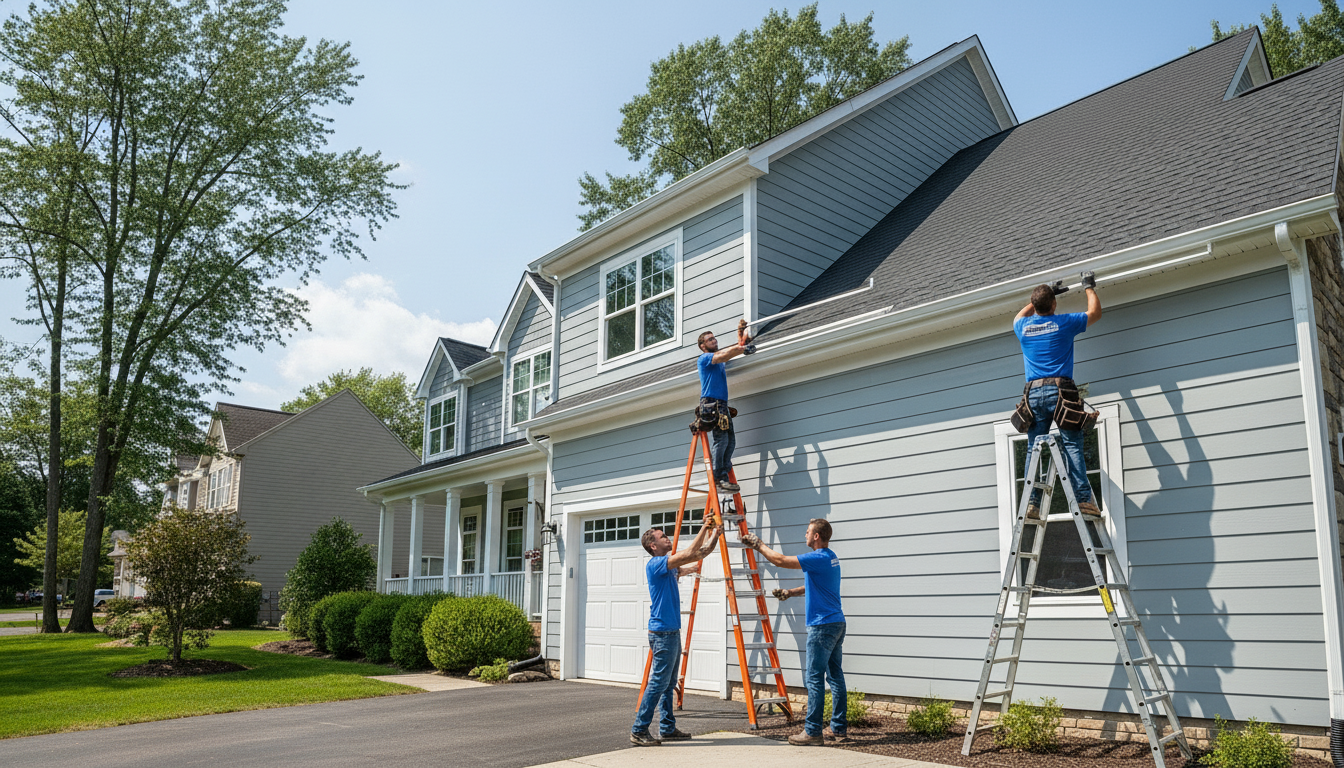
Your gutter system may not be the most noticeable part of your home, but it plays a critical role in protecting your property from water damage. That is why choosing the right gutter contractor service matters.
At JVW Roofing, we’ve been helping homeowners protect their properties for more than 40 years. As a licensed contractor, we provide professional gutter installation, repair, replacement, and related exterior services designed to help keep homes protected in every season.
This guide explains what a gutter contractor does, when you need professional help, which gutter options are available, what affects project cost, and how to choose a contractor for your home.
What Does a Gutter Contractor Do?
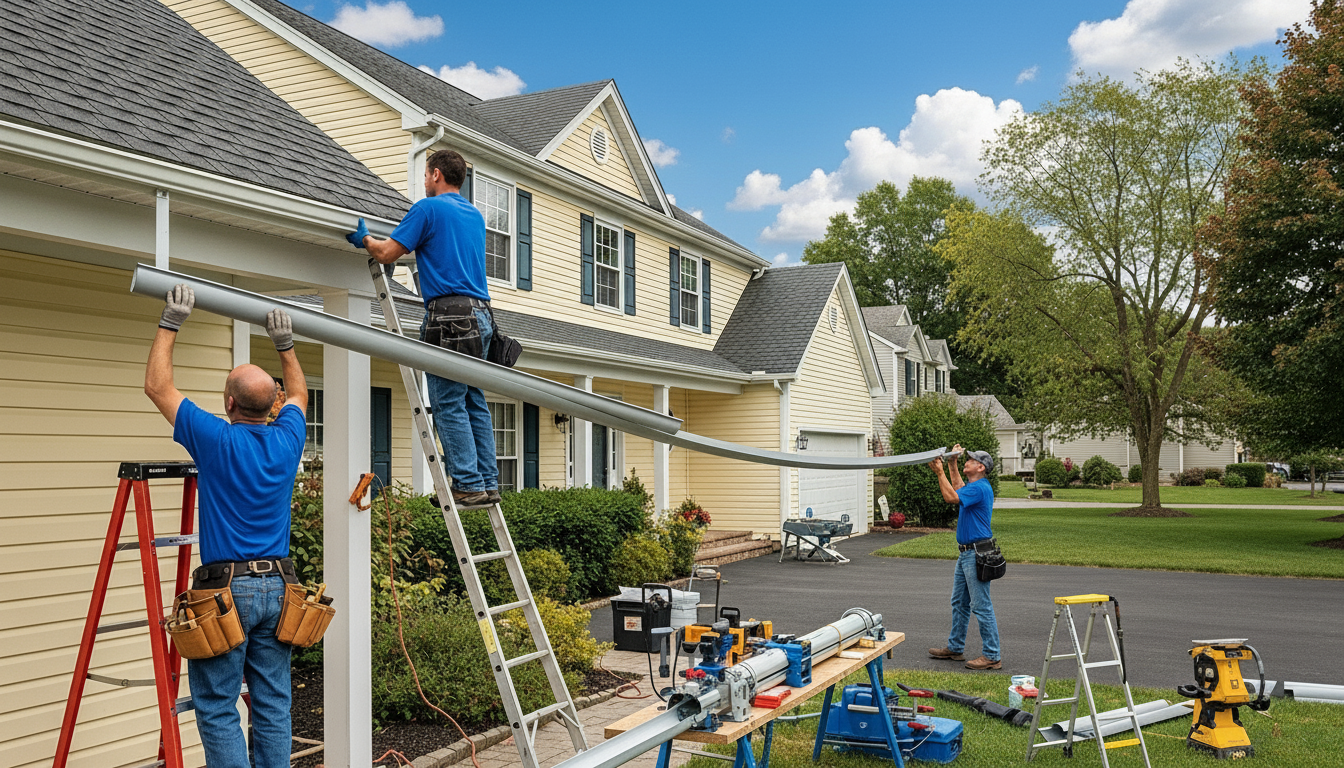
A gutter contractor specializes in the design, installation, repair, replacement, and maintenance of residential gutter systems.
A complete gutter system can include:
- Gutters
- Downspouts
- End caps
- Outlets
- Elbows
- Hangers
- Fascia attachments
- Gutter guards
- Downspout extensions
- Drainage connections
A qualified gutter contractor service should also consider how the gutter system interacts with the roof, siding, fascia, foundation, landscaping, and existing drainage.
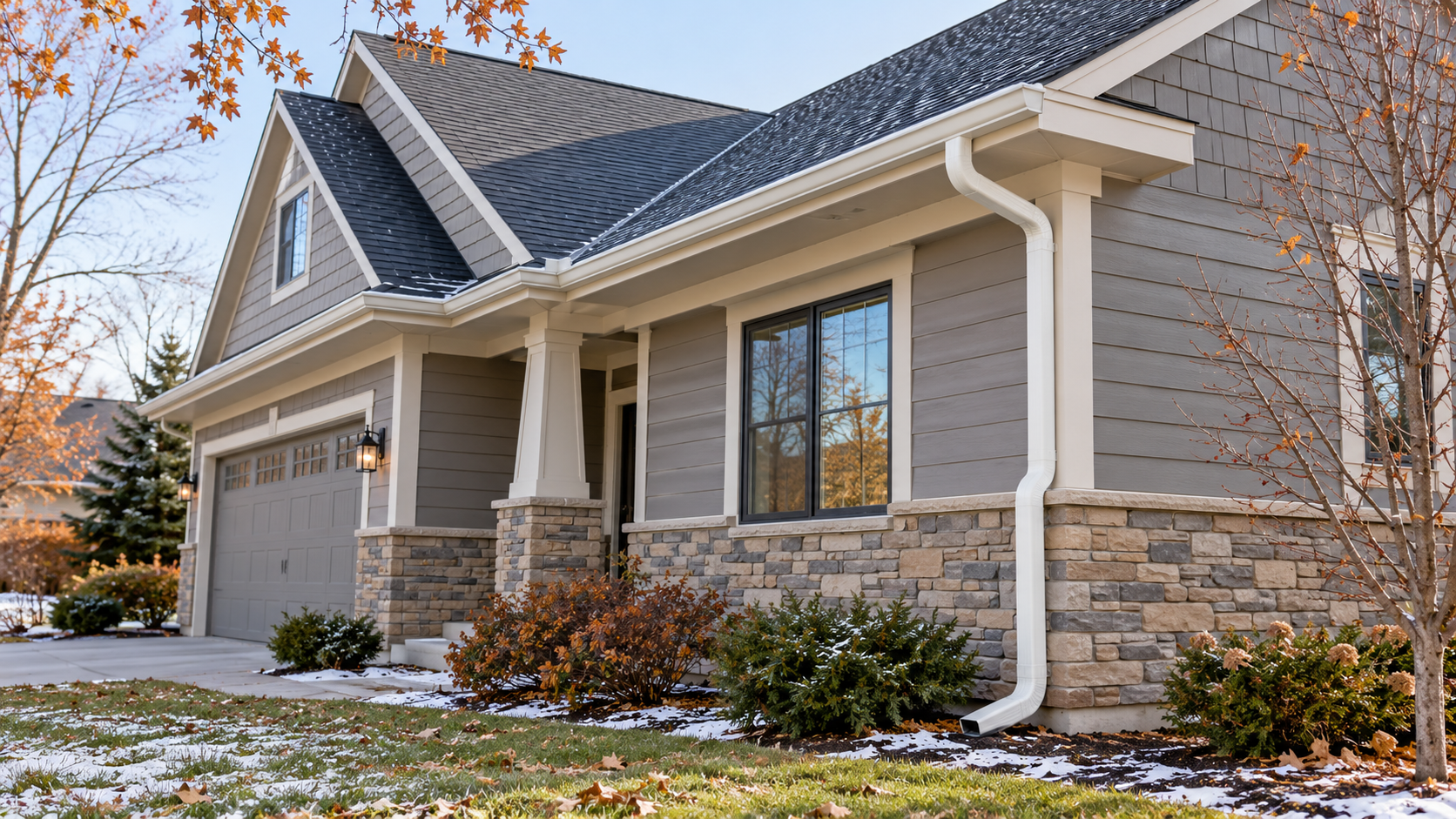
The goal is not simply to install gutters. The goal is to create a water-management system that moves runoff safely away from the home.
Why Are Gutters Important?
Every time it rains, water runs across your roof and collects near the roof edge. Without an effective gutter system, that water can fall directly next to your home.
Over time, uncontrolled runoff can contribute to:
- Foundation moisture
- Soil erosion
- Basement or crawl-space water
- Landscape damage
- Siding stains
- Fascia deterioration
- Roof-edge damage
- Mold and mildew problems
A properly functioning gutter system helps control this runoff before it becomes a larger property problem.
7 Reasons to Hire a Professional Gutter Contractor
1. Proper Gutter Sizing
Not every home needs the same gutter dimensions.
A contractor considers factors such as:
- Roof size
- Roof pitch
- Roof design
- Local rainfall
- Number of roof sections
- Downspout capacity
Gutters that are too small may overflow during heavy rainfall. Proper sizing helps the system manage runoff more effectively.
2. Correct Gutter Pitch
Gutters need an appropriate slope so water moves toward the downspouts instead of sitting inside the channel.
If gutters are:
- Too flat
- Sagging
- Installed with inconsistent pitch
water can pool in the system.
Standing water adds weight, encourages debris buildup, and can accelerate deterioration.
A professional installation creates consistent drainage while keeping the gutter line visually clean.
3. Strategic Downspout Placement
Downspouts are just as important as the gutters themselves.
A properly designed system places downspouts where they can handle the volume of water coming from the roof and discharge it safely away from the foundation.
A contractor may recommend:
- Additional downspouts
- Larger downspouts
- Downspout extensions
- Underground drainage connections
Poor downspout placement can leave water concentrated in one area of the property.
4. Better Installation Quality
Even premium gutters can fail when installation is poor.
Common installation problems include:
- Loose fasteners
- Incorrect pitch
- Poorly sealed joints
- Inadequate hangers
- Improperly positioned outlets
- Unsupported long runs
Professional installation helps reduce these problems and improves the long-term performance of the gutter system.
5. Identification of Hidden Exterior Damage
A gutter project provides an opportunity to inspect the areas around the roof edge.
A contractor may discover:
- Rotted fascia
- Damaged soffits
- Water stains
- Loose flashing
- Deteriorated trim
- Signs of chronic overflow
Finding these issues early can prevent more extensive exterior repairs.
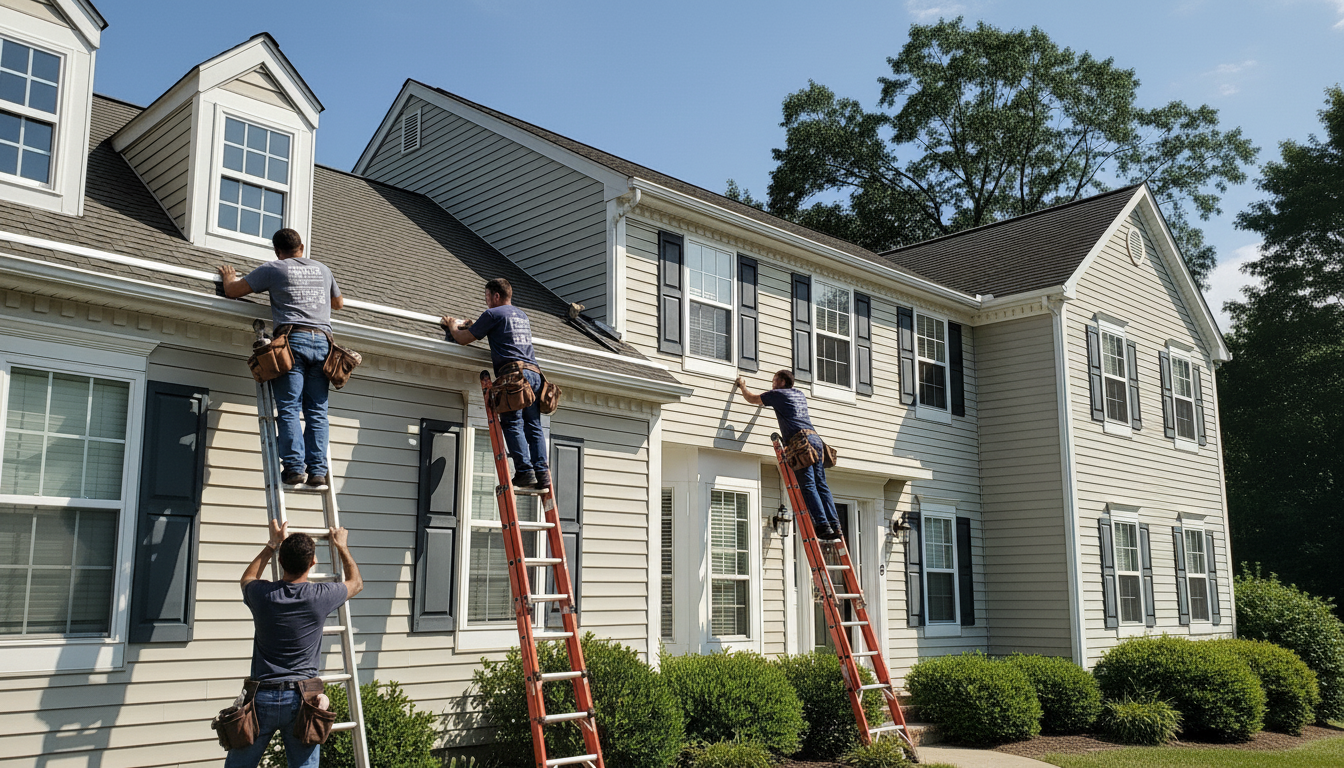
6. Safer Installation and Repairs
Gutter work frequently requires ladders and elevated access around the roofline.
Professional contractors have the equipment and experience required to work safely.
This is particularly important on:
- Two-story homes
- Steep rooflines
- Large homes
- Difficult-to-access areas
7. Long-Term Maintenance Advice
A good contractor should explain how to maintain the system after installation.
That may include recommendations for:
- Seasonal gutter cleaning
- Gutter guard maintenance
- Downspout inspections
- Storm inspections
- Fastener checks
- Seal inspections
Maintenance helps protect your investment and keeps water flowing properly.
Types of Gutter Systems
Homeowners have several options when choosing a new gutter system.
Seamless Gutters
Seamless gutters are manufactured in long continuous sections and custom-fitted to the home.
Because there are fewer seams, they can offer:
- Reduced leak points
- Clean appearance
- Lower maintenance
- Custom sizing
- Long-term durability
Seamless gutters are a popular choice for homeowners looking for a low-maintenance system.
Sectional Gutters
Sectional gutters are made from shorter pieces that are connected during installation.
They can be practical for some projects and may have a lower initial material cost, but they have more joints where leaks can eventually develop.
Aluminum Gutters
Aluminum is one of the most commonly used gutter materials.
Benefits include:
- Lightweight construction
- Corrosion resistance
- Variety of colors
- Relatively low maintenance
- Versatile installation options
Copper Gutters
Copper gutters offer a distinctive premium appearance and excellent durability.
Over time, exposed copper develops a natural patina that changes its appearance.
Copper is often selected for historic homes, luxury properties, and homeowners who prioritize long-term aesthetics.
Steel Gutters
Steel gutters provide strength and durability.
They can be a useful option when heavier-duty performance is desired, although the specific coating and maintenance requirements should be considered.
Signs You Need a Gutter Contractor Service
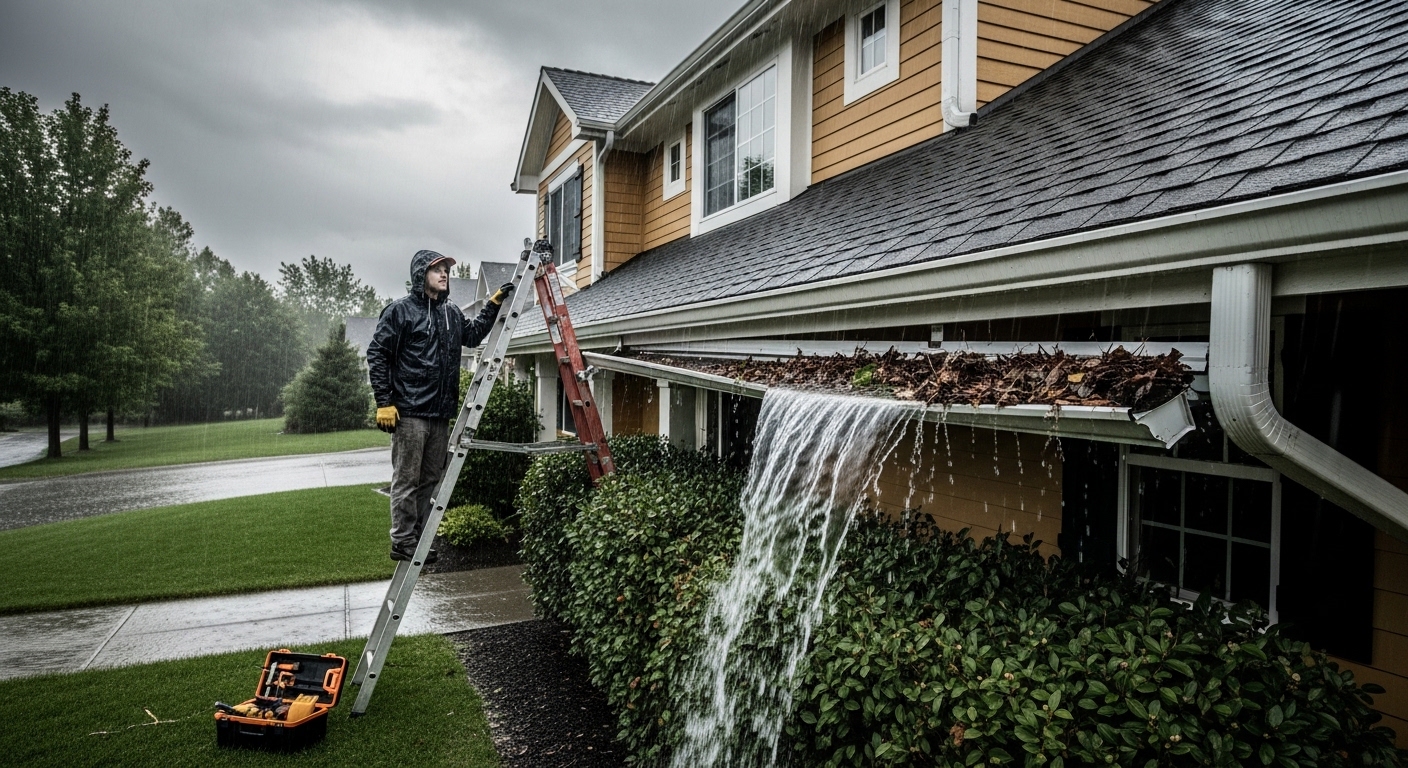
Some gutter problems are obvious, while others develop gradually.
Contact a professional when you notice:
Water Overflowing
If water repeatedly pours over the front or sides of your gutters during rain, the system may be clogged, undersized, damaged, or improperly pitched.
Sagging Gutters
Sagging often indicates loose fasteners, accumulated debris, poor support, or water weight.
Visible Cracks or Holes
Small openings can become larger over time and allow water to escape before it reaches the downspouts.
Rust or Corrosion
Rust can weaken metal gutter systems and eventually create holes.
Water Pooling Near the Foundation
If water collects directly beside your home after rain, the drainage system may not be moving runoff far enough away.
Peeling Paint or Staining
Persistent gutter overflow can stain siding, trim, or exterior walls.
Frequent Repairs
If the same gutter system continually needs repairs, replacement may provide better long-term value.
Gutter Repair vs. Gutter Replacement
Not every gutter problem requires a complete replacement.
Gutter Repair May Be Appropriate When:
- Only one section is damaged
- A hanger has failed
- A joint is leaking
- A downspout is loose
- Minor sealant deterioration is present
- A small section has become misaligned
Gutter Replacement May Be Better When:
- Corrosion is widespread
- Multiple sections are failing
- The gutter system is badly undersized
- There are frequent leaks
- Gutters are pulling away from the home
- The system has reached the end of its useful life
A professional inspection helps determine whether repair or replacement is the better investment.
How Much Does a Gutter Contractor Service Cost?
The price of gutter work varies significantly from one property to another.
Factors that influence the cost include:
- Linear footage of gutters
- Gutter material
- Gutter size
- Seamless vs. sectional design
- Number of downspouts
- Number of stories
- Roof accessibility
- Existing gutter removal
- Fascia or soffit repairs
- Downspout extensions
- Gutter guard installation
A detailed estimate should identify the materials, labor, removal, repairs, and any additional drainage work included in the project.
Comparing only the bottom-line price can be misleading. Homeowners should also compare material quality, installation methods, warranties, and contractor experience.
What Is the Gutter Installation Process?
Professional gutter installation generally follows several stages.
1. Property Assessment
The contractor evaluates the roofline, drainage patterns, fascia, existing gutters, and downspouts.
2. Measurements
Accurate measurements determine the amount and type of gutter material required.
3. Gutter Design
The contractor determines gutter size, slope, downspout locations, and discharge points.
4. Removal of Existing Gutters
Old or damaged gutters are carefully removed when replacement is required.
5. Fascia Inspection
The roof edge is checked for rot or water damage before new gutters are installed.
6. New Gutter Installation
Gutters are secured with appropriate hangers and fasteners while maintaining proper slope.
7. Downspout Installation
Downspouts are positioned to direct runoff toward suitable discharge areas.
8. System Testing
The completed system is checked for proper drainage, secure attachment, and potential leaks.
How to Choose the Best Gutter Contractor
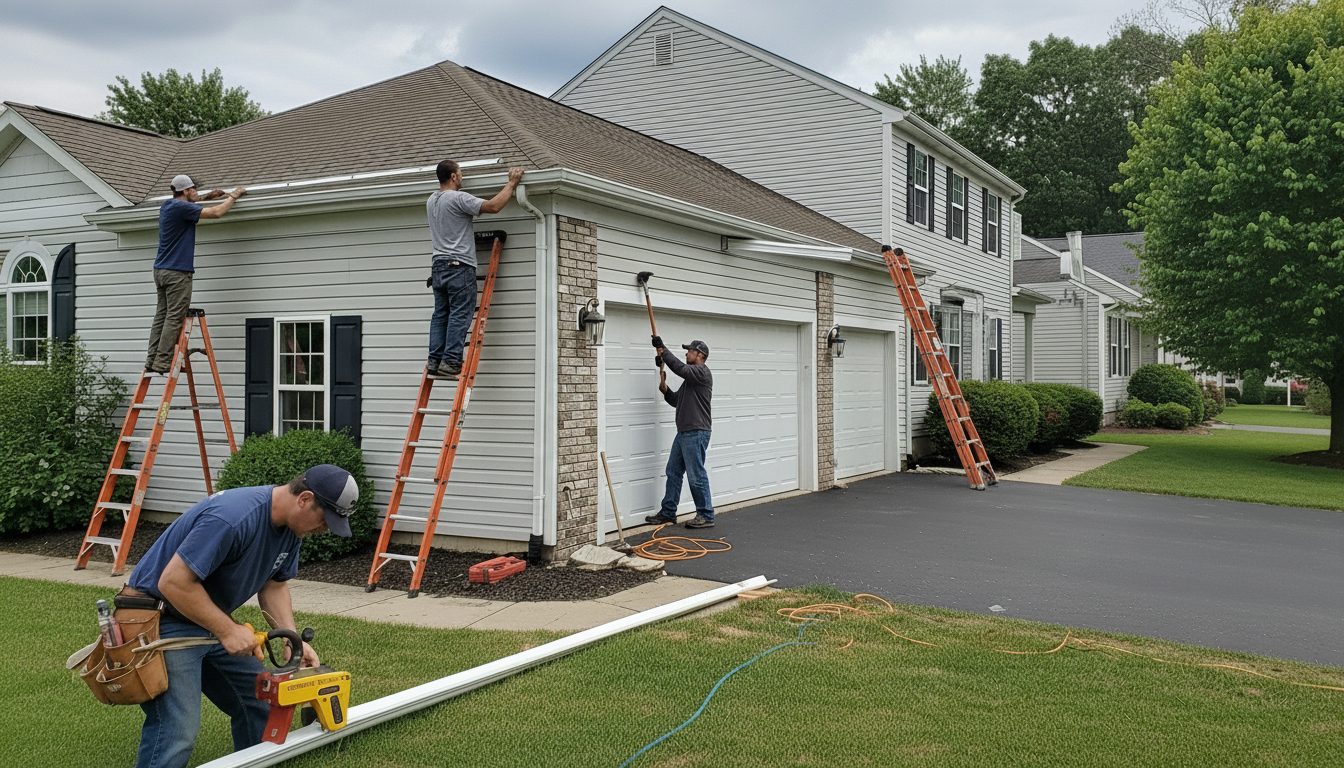
Searching for a gutter contractor service near your home can produce many choices. Before hiring one, evaluate the company carefully.
Check Licensing and Insurance
Work with a properly licensed contractor that carries appropriate insurance coverage.
Review Experience
Look for a company with a history of completing gutter and exterior projects similar to yours.
Read Customer Reviews
Look beyond star ratings and examine comments about communication, workmanship, reliability, cleanup, and follow-through.
Ask About Materials
A reputable contractor should explain the differences between available gutter materials, profiles, sizes, and drainage options.
Request a Detailed Estimate
Your estimate should clearly explain the scope of work, materials, labor, removal, repairs, and warranties.
Ask About Workmanship
Installation quality has a major effect on gutter performance. Ask who will perform the work and how the system will be secured and tested.
Common Gutter Installation Mistakes
Homeowners can encounter problems when gutters are installed without proper planning.
Undersized Gutters
A system that cannot handle the roof’s runoff volume may overflow.
Too Few Downspouts
Even properly sized gutters can struggle if there aren’t enough outlets to handle the water.
Incorrect Pitch
Poor slope can leave standing water inside the gutter.
Weak Fastening
Gutters need adequate support, especially in areas that receive heavy rain or snow.
Short Downspout Discharge
Water should be directed away from the foundation rather than released directly beside the home.
Ignoring Fascia Damage
Installing new gutters over rotten fascia can create future attachment and drainage problems.
Gutter Guards: Are They Worth It?
Gutter guards are designed to reduce the amount of leaves, twigs, and other debris entering the gutter system.
Potential benefits include:
- Less frequent cleaning
- Reduced debris buildup
- Improved convenience
- Better protection in heavily wooded areas
However, gutter guards do not eliminate maintenance completely. They still require periodic inspection and cleaning because debris can accumulate on top of or around the guard.
A contractor can recommend a suitable gutter guard system based on the property and surrounding trees.
How Gutters Protect Other Parts of Your Home
A well-designed gutter system works as part of the larger exterior drainage system.
By controlling roof runoff, gutters can help protect:
Foundation
Reducing concentrated water near the foundation helps manage moisture around the base of the home.
Siding
Proper drainage can reduce splashback and water staining on exterior walls.
Landscaping
Controlled runoff helps reduce erosion around plants, mulch beds, and walkways.
Roof Edge
Effective drainage can reduce the damage associated with persistent overflow.
Basement or Crawl Space
Directing water away from the foundation can help reduce moisture concerns in below-grade spaces.
Why Homeowners Choose JVW Roofing
For more than 40 years, JVW Roofing has helped homeowners improve and protect their properties through professional roofing and exterior services.
JVW Roofing is a GAF Certified Plus™ Contractor, Owens Corning Preferred Contractor, and operates under NJ License #13VH14032300.
Our services include:
- Gutter installation
- Seamless gutter installation
- Gutter repair
- Gutter replacement
- Gutter guards
- Downspout services
- Roof repair
- Roof replacement
- Siding installation and replacement
- Window installation
- Door services
- Exterior remodeling
We focus on practical recommendations, quality workmanship, and solutions designed around the needs of each property.
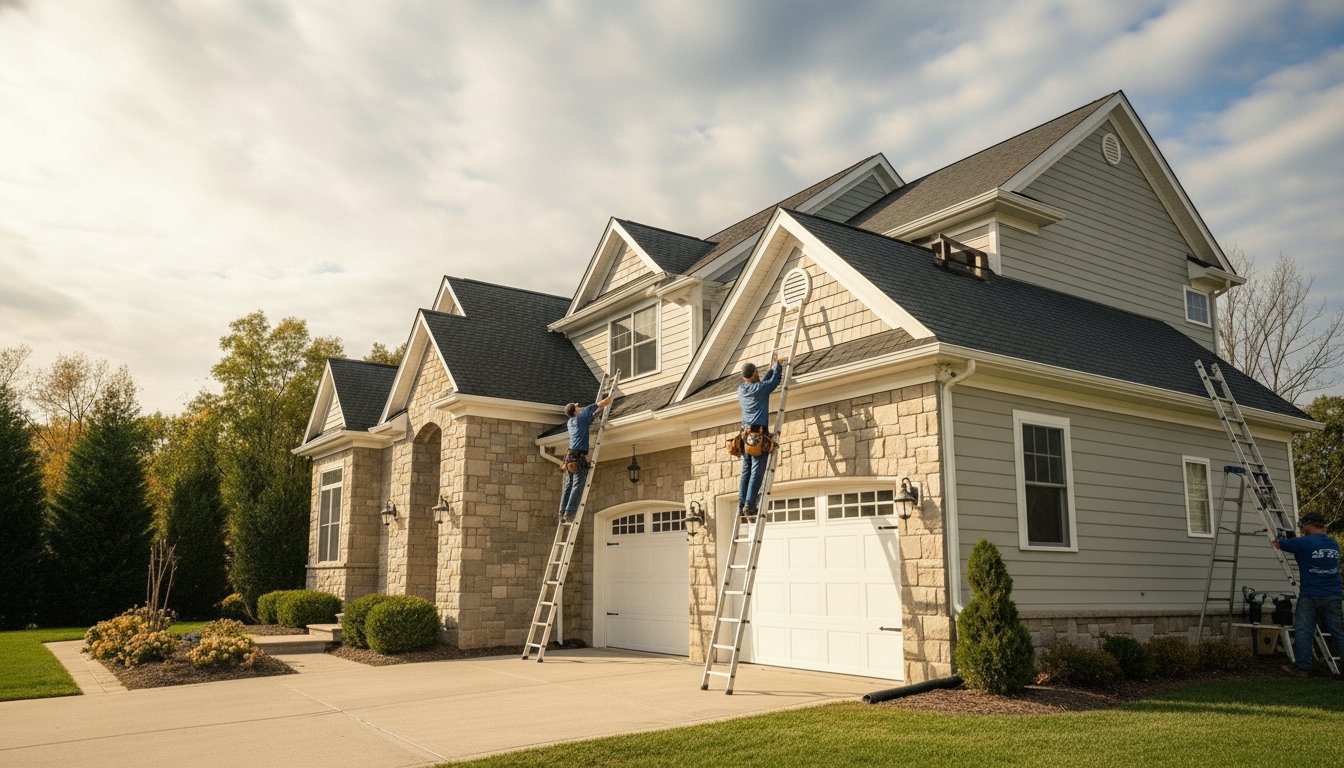
Frequently Asked Questions
What does a gutter contractor do?
A gutter contractor designs, installs, repairs, replaces, and maintains gutter and downspout systems. They may also inspect fascia, soffits, roof edges, and drainage conditions.
When should I replace my gutters instead of repairing them?
Replacement may make more sense when gutters have widespread corrosion, repeated leaks, extensive sagging, poor sizing, or frequent repair needs.
Are seamless gutters better than sectional gutters?
Seamless gutters have fewer joints, which can reduce potential leak points and provide a cleaner appearance. The best choice depends on the property and budget.
How often should gutters be cleaned?
Many homes benefit from seasonal gutter cleaning, especially in areas with significant tree coverage. The ideal schedule depends on the property’s surroundings.
Can bad gutters damage a foundation?
Poor drainage can direct large amounts of water toward the foundation. A properly designed gutter and downspout system helps move runoff away from the home.
Do gutter guards eliminate the need for cleaning?
No. Gutter guards can reduce debris accumulation, but the system should still be inspected and maintained periodically.
How long do gutters last?
Service life varies by material, installation quality, weather exposure, and maintenance. Aluminum, steel, and copper systems have different durability characteristics.
Final Thoughts
A properly designed gutter system is an important part of protecting your home from uncontrolled roof runoff. From seamless gutter installation and downspout placement to repairs and maintenance, professional gutter work can help reduce water-related problems and preserve your property’s exterior.
When searching for a gutter contractor service, focus on more than price. Look for proper licensing, experience, quality materials, professional installation, clear estimates, and a strong reputation for workmanship.
With more than 40 years of experience, JVW Roofing provides dependable gutter and exterior home improvement services designed to protect your property and improve long-term performance.
Ready to upgrade, repair, or replace your gutters? Contact JVW Roofing today for a FREE estimate.