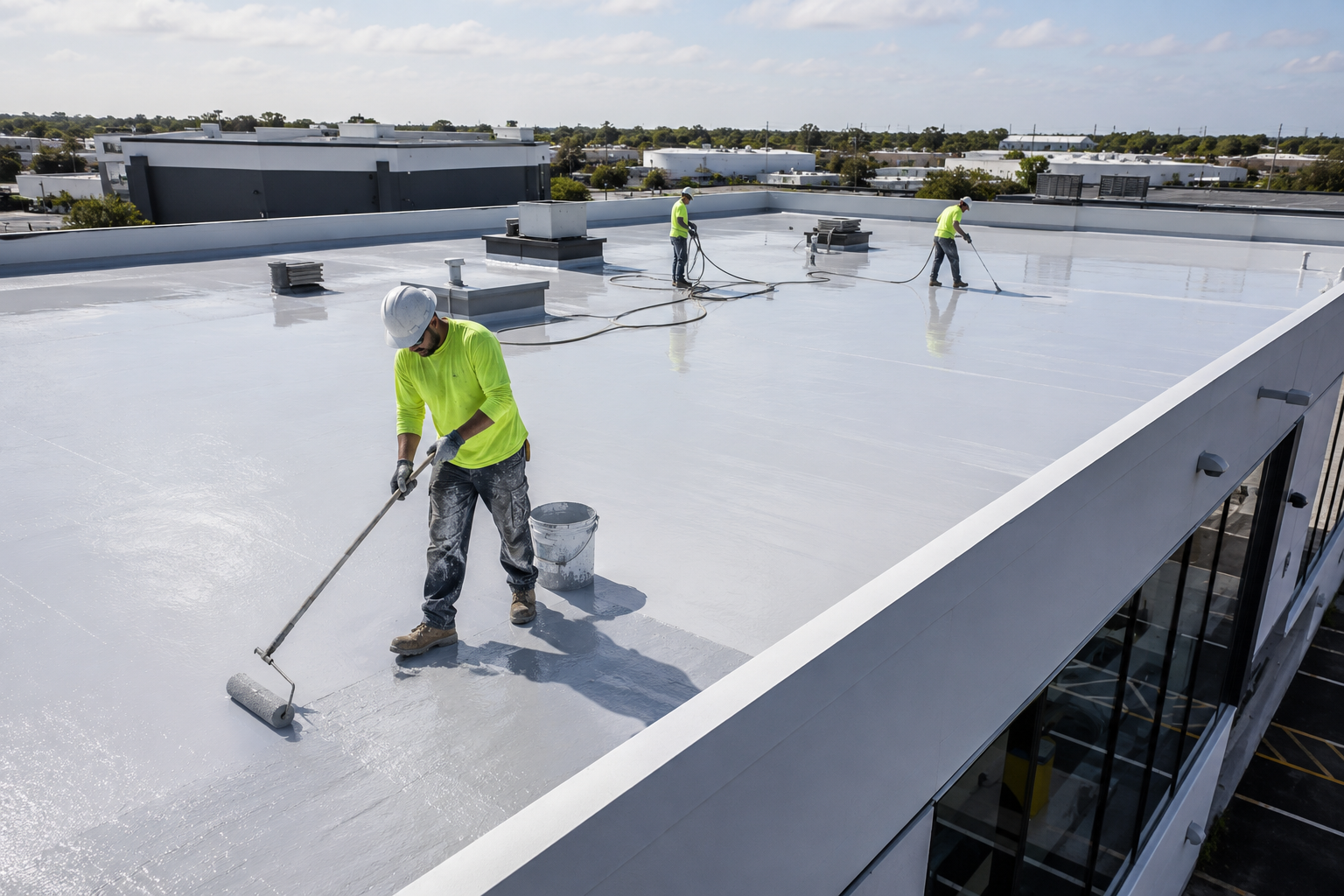
Flat roofs are widely used in residential and commercial buildings because they are cost-effective, modern, and space-efficient. However, flat roofs are also more vulnerable to water pooling, UV damage, and surface deterioration. Over time, these issues can lead to leaks, cracks, and insulation damage. That is where flat roof coating repair becomes an essential solution.
Flat roof coating repair restores the protective waterproof layer of your roof without requiring a full replacement. It helps seal leaks, improve energy efficiency, and extend the life of the roofing system. Whether your roof is made of EPDM, TPO, modified bitumen, or built-up roofing, coating repair can provide long-term protection when applied correctly.
In this guide, you will learn what flat roof coating repair is, common roof problems it solves, types of coatings, repair process, costs, benefits, and maintenance tips.
What Is Flat Roof Coating Repair?
Flat roof coating repair is the process of applying a protective liquid membrane over an existing flat roof surface to roof repair damage and restore waterproofing performance.
This coating creates a seamless barrier that helps:
- Seal small cracks and leaks
- Protect against UV damage
- Improve waterproofing
- Reduce roof temperature
- Extend roof lifespan
Unlike full roof replacement, coating repair is less expensive and less disruptive while still providing strong protection.
Common Problems That Require Flat Roof Coating Repair
Flat roofs face constant exposure to weather and environmental stress. Over time, several issues may appear.
Roof Leaks
Small cracks or punctures in the roofing surface can allow water to enter the building.
Ponding Water
Standing water that remains after rain weakens roofing materials and accelerates deterioration.
UV Damage
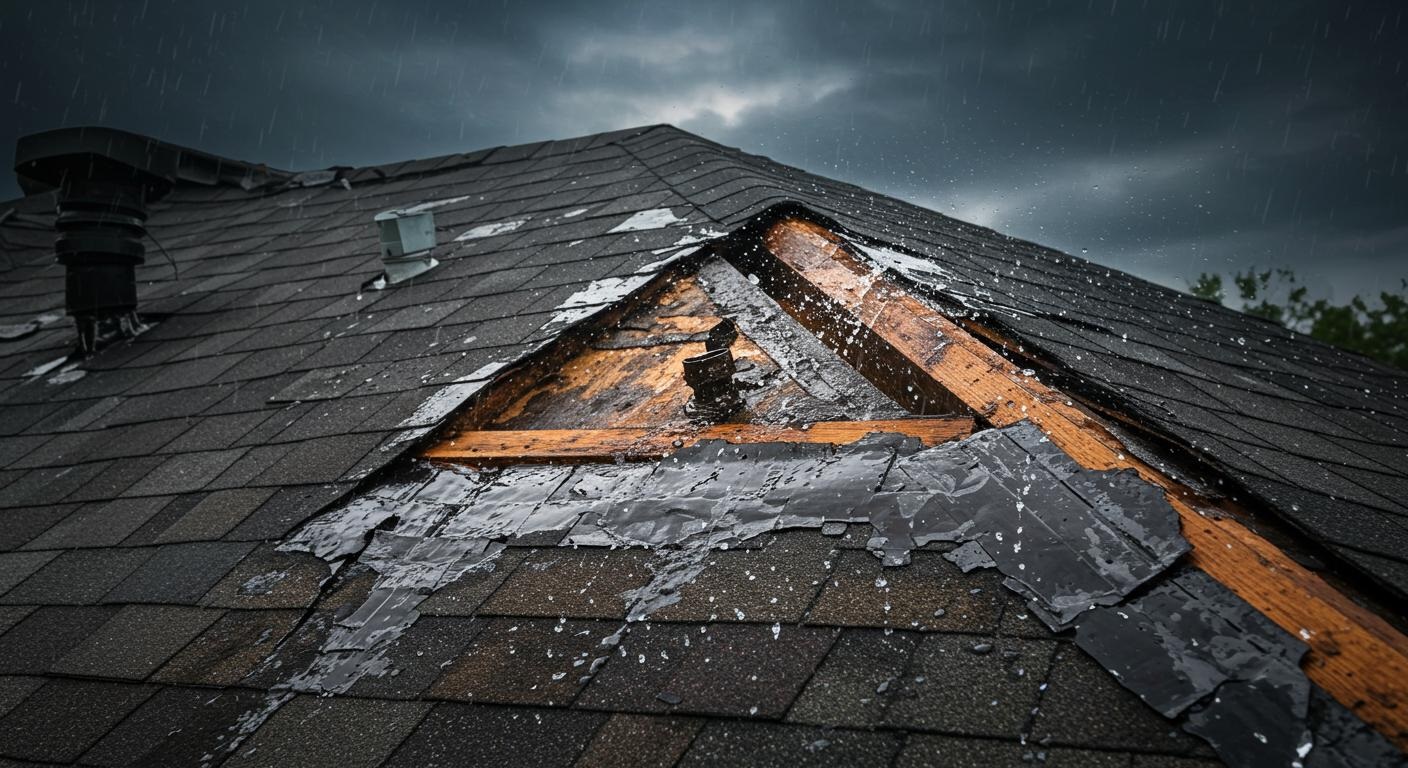
Constant sun exposure causes roofing membranes to dry out, crack, and lose flexibility.
Surface Cracks and Blisters
Temperature changes can create bubbles, cracks, or splits in roofing layers.
Worn Protective Layer
Over time, the original waterproof coating wears down, exposing the roof to damage.
Seam Failures
Weak or separated seams in roofing membranes often lead to leaks.
Why Flat Roof Coating Repair Is Important
Ignoring flat roof damage can lead to costly structural issues.
Prevents Water Damage
A coated roof blocks water infiltration and protects the interior structure.
Extends Roof Lifespan
Coating adds extra years of service life to an existing roof.
Reduces Repair Costs
It is significantly cheaper than full roof replacement.
Improves Energy Efficiency
Reflective coatings reduce heat absorption and lower cooling costs.
Strengthens Roof Surface
Coatings add durability and resistance to weather conditions.
Minimizes Maintenance Needs
A well-coated roof requires fewer repairs over time.
Types of Flat Roof Coatings
Different coating materials are used depending on roof type and condition.
Acrylic Roof Coating
Acrylic coatings are water-based and highly reflective.
Benefits:
- Cost-effective
- UV resistant
- Easy application
- Energy efficient
Silicone Roof Coating
Silicone coatings are highly durable and ideal for waterproofing.
Benefits:
- Excellent ponding water resistance
- Long-lasting protection
- Strong waterproof barrier
- Low maintenance
Polyurethane Roof Coating
Polyurethane coatings offer strong impact resistance.
Benefits:
- High durability
- Resistant to foot traffic
- Strong adhesion
- Good chemical resistance
Asphalt-Based Coating
Used for modified bitumen roofs and older systems.
Benefits:
- Strong sealing ability
- Good for repairs
- Affordable option
Flat Roof Coating Repair Process
Professional roof coating repair follows a structured process to ensure long-term performance.
Roof Inspection
The contractor checks for leaks, cracks, drainage issues, and structural damage.
Surface Cleaning
The roof is thoroughly cleaned to remove dirt, debris, and loose materials.
Repair of Damaged Areas
Cracks, seams, and punctures are sealed before coating application.
Primer Application (If Needed)
Some roofs require a primer to improve coating adhesion.
Coating Application
The protective coating is applied evenly across the roof surface.
Second Layer Application
A second layer may be added for enhanced durability and waterproofing.
Final Inspection
The roof is inspected to ensure full coverage and proper sealing.
Flat Roof Coating Repair vs Roof Replacement
Homeowners often compare coating repair with full roof replacement.
When Coating Repair Is Enough
Coating repair is suitable when:
- Roof structure is still solid
- Damage is minor or moderate
- Leaks are small and localized
- Roofing membrane is still intact
When Replacement Is Necessary
Replacement may be required when:
- Roof is severely damaged
- Insulation is wet or moldy
- Structural issues exist
- Roof is at the end of its lifespan
A professional inspection helps determine the best option.
Benefits of Flat Roof Coating Repair
Roof coating offers multiple long-term advantages.
Cost Savings
It is much more affordable than full roof replacement.
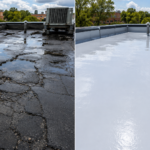
Leak Prevention
Seals small cracks and prevents water penetration.
Heat Reflection
Reflective coatings reduce indoor temperatures in summer.
Eco-Friendly Solution
Extends roof life and reduces construction waste.
Fast Installation
Most coating projects are completed quickly with minimal disruption.
Improved Appearance
Restores a clean and uniform roof surface.
Cost of Flat Roof Coating Repair
The cost depends on roof size, coating type, and condition.
Factors Affecting Cost
- Roof size
- Type of coating used
- Level of roof damage
- Labor requirements
- Number of coating layers
Average Cost Range
| Service Type | Estimated Cost |
|---|---|
| Basic Roof Coating | $1.50–$3.50 per sq. ft. |
| Silicone Coating System | $2.50–$5.00 per sq. ft. |
| Polyurethane Coating | $3.00–$6.00 per sq. ft. |
| Full Restoration System | $4.00–$7.00 per sq. ft. |
Prices may vary based on location and contractor expertise.
How to Maintain a Coated Flat Roof
Proper maintenance helps maximize the lifespan of the coating system.
Regular Inspections
Check the roof at least twice a year for damage or wear.
Keep Roof Clean
Remove debris, leaves, and dirt regularly.
Maintain Drainage
Ensure drains and gutters are clear to prevent ponding water.
Repair Small Damage Quickly
Address cracks or peeling areas immediately.
Avoid Excessive Foot Traffic
Limit unnecessary walking on the roof surface.
Signs Your Flat Roof Needs Coating Repair
Homeowners should watch for early warning signs.
Water Leaks Inside Building
Interior stains often indicate roof failure.
Visible Cracks or Peeling
Surface damage suggests coating deterioration.
Ponding Water After Rain
Standing water can damage roofing layers.
Faded or Worn Surface
UV damage can weaken roof protection.
Rising Energy Bills
Poor roof insulation increases cooling costs.
Choosing the Right Contractor for Roof Coating Repair
Professional installation ensures long-lasting results.
Check Licensing and Insurance
Always hire certified roofing professionals.
Read Customer Reviews
Reviews help identify reliable contractors.
Ask About Experience
Choose specialists in flat roof systems and coatings.
Request Written Estimates
Ensure clear pricing and project details.
Verify Warranty Coverage
Good contractors offer warranties on materials and labor.
Final Thoughts
Flat roof coating repair is a cost-effective and reliable solution for restoring waterproof protection and extending roof life. Instead of replacing an entire roofing system, coating repair helps seal leaks, improve energy efficiency, and strengthen surface durability.
Regular maintenance, timely inspections, and professional application are key to achieving long-lasting performance. If your flat roof shows signs of leaks, cracks, or aging, investing in a high-quality coating repair system can protect your property and save significant costs in the long run.