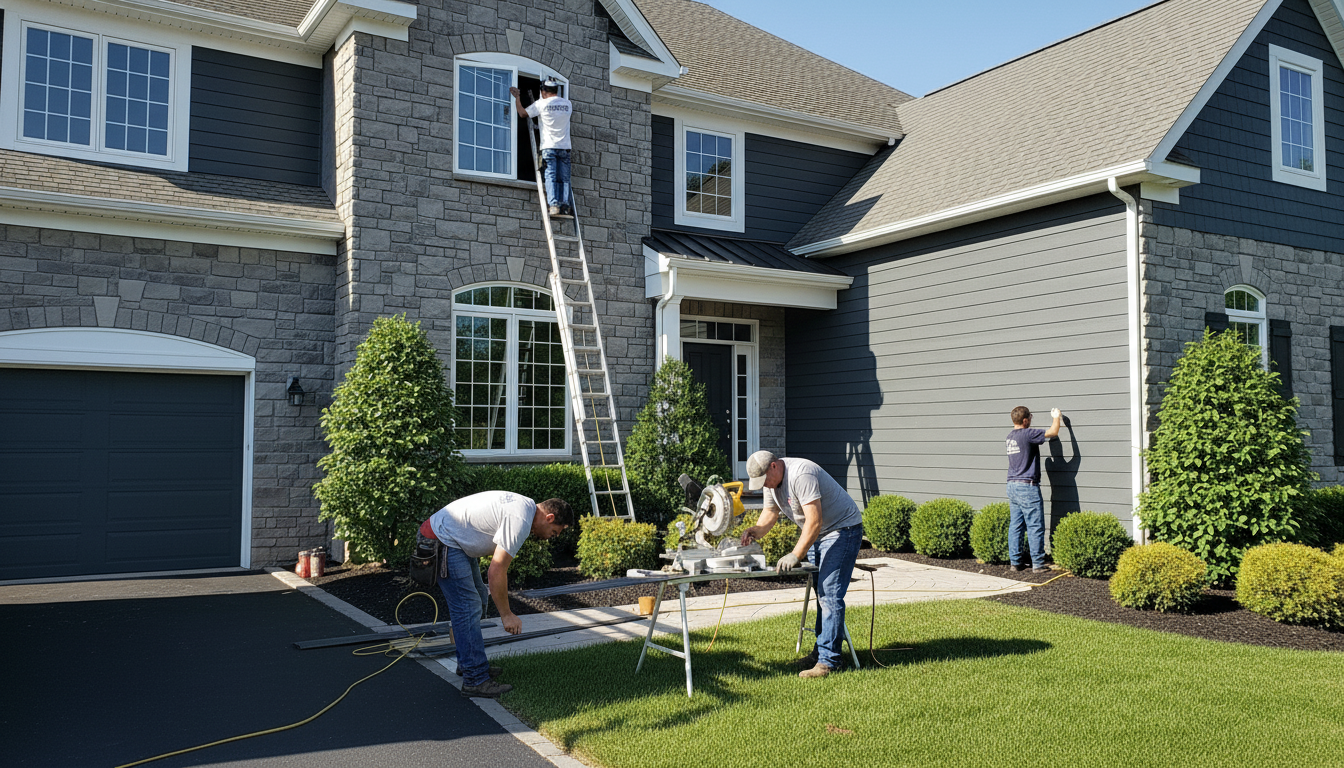
Finding the right contractor for siding is one of the most important decisions you can make when improving your home’s exterior. Siding is not simply a decorative finish. It helps protect the structure from rain, wind, moisture, temperature changes, and everyday exposure while contributing to insulation, curb appeal, and long-term property maintenance.
For New Jersey homeowners, these considerations become even more important because siding must perform through humid summers, cold winters, strong winds, heavy rain, and changing seasonal conditions.
Whether you need siding installation, siding replacement, or siding repair, working with an experienced siding contractor can help ensure the materials are installed correctly and potential problems behind the existing siding are identified before they become more expensive.
What Does a Contractor for Siding Actually Do?
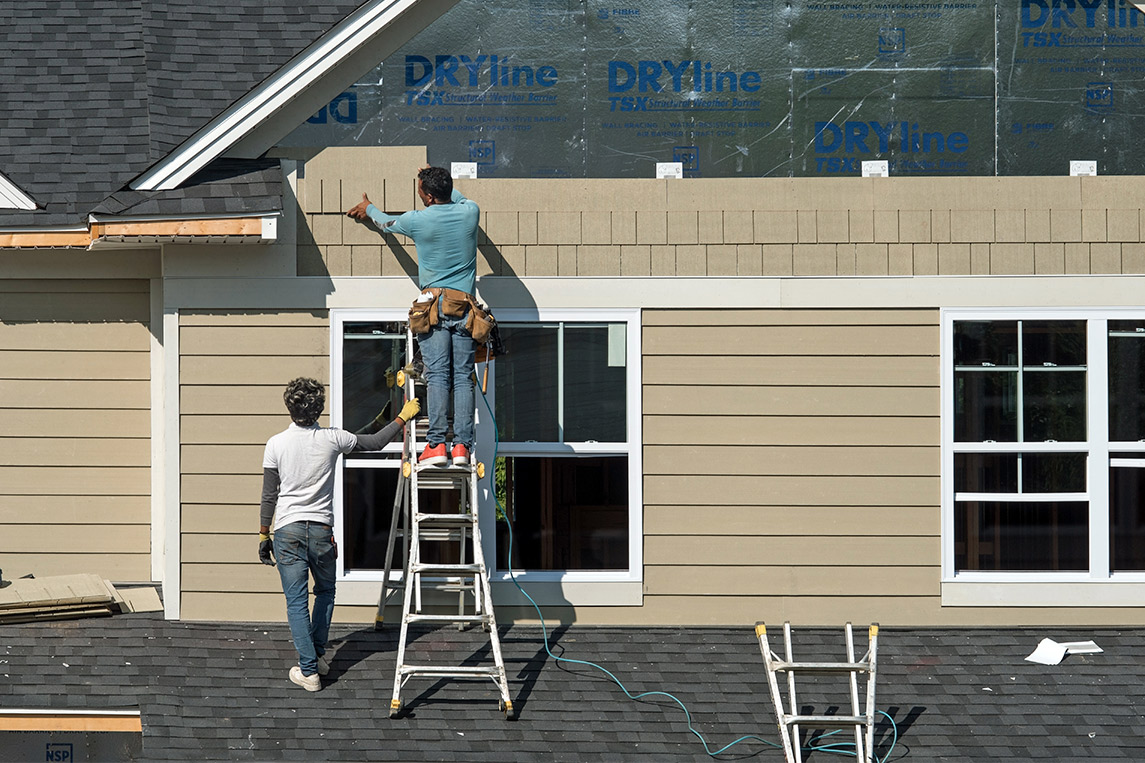
A professional siding contractor handles much more than attaching new panels to the outside of a house. The job normally begins with an inspection of the existing exterior to determine whether the siding can be repaired or whether replacement makes more practical sense.
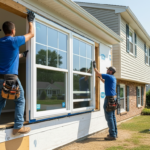
During a siding project, the contractor may need to remove damaged siding, inspect exterior sheathing, identify moisture or wood deterioration, install or repair the weather-resistant barrier, flash areas around windows and doors, and correctly install trim and siding materials.
Proper siding installation also requires attention to expansion and contraction. Materials such as vinyl siding need enough room to move as temperatures change. Panels installed too tightly can buckle or warp, while poorly secured siding can become loose during strong winds.
That is why choosing an experienced exterior siding contractor matters as much as choosing the siding material itself.
When Should You Call a Siding Contractor?
Some siding problems are easy to see, while others develop gradually. A few damaged panels may only require localized repair, but widespread deterioration can indicate that replacement should be considered.
Cracked or loose siding, warped panels, peeling exterior surfaces, visible rot, moisture stains, recurring mold, damaged trim, and gaps around windows are all reasons to have the exterior inspected. Higher heating or cooling costs can also justify checking the condition of the siding, house wrap, insulation, and exterior penetrations.
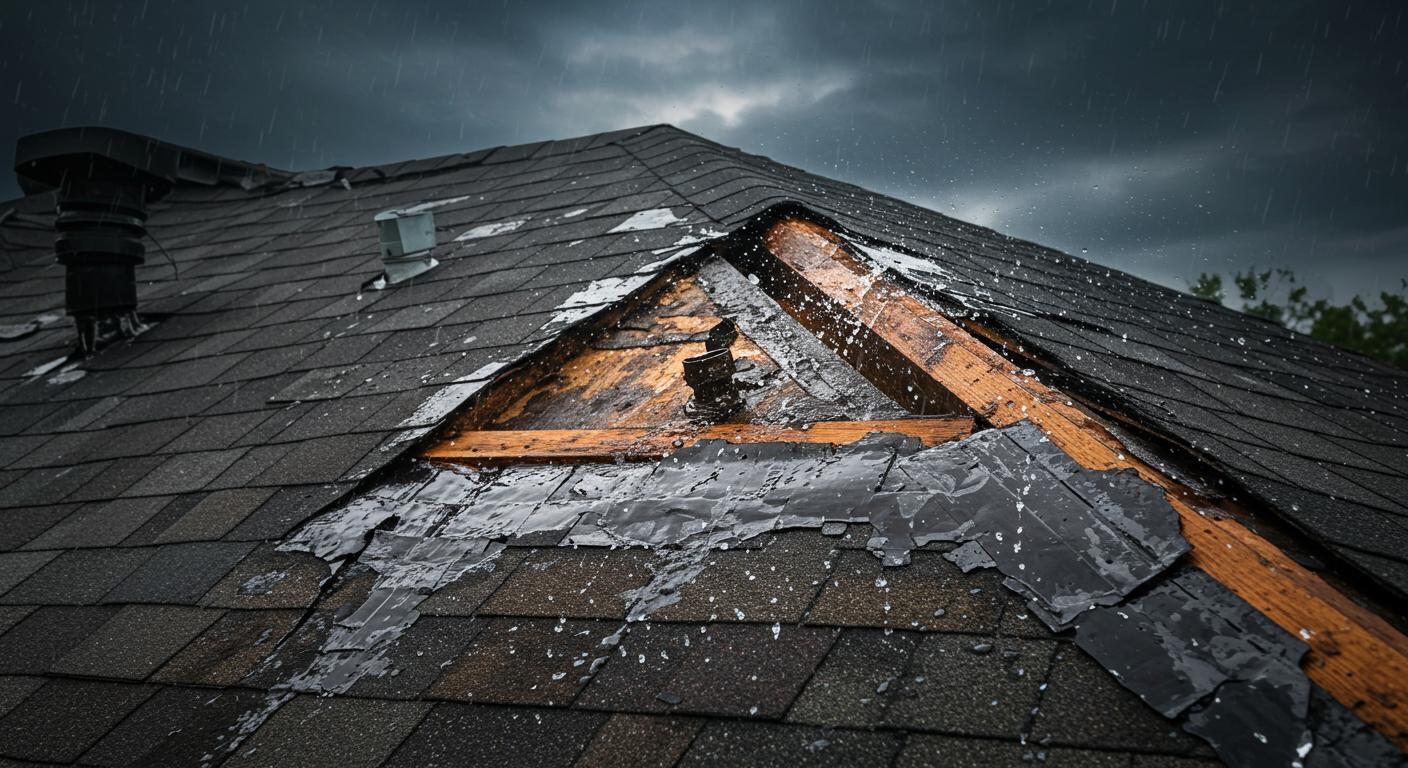
After storms or high winds, homeowners should also look for siding that has shifted, cracked, detached, or become punctured by debris.
A qualified contractor for siding should inspect the problem before recommending a complete replacement. Replacing an entire exterior when a practical repair will solve the issue is unnecessary, while repeatedly repairing severely deteriorated siding can become expensive over time.
Choosing the Right Siding Material for Your Home
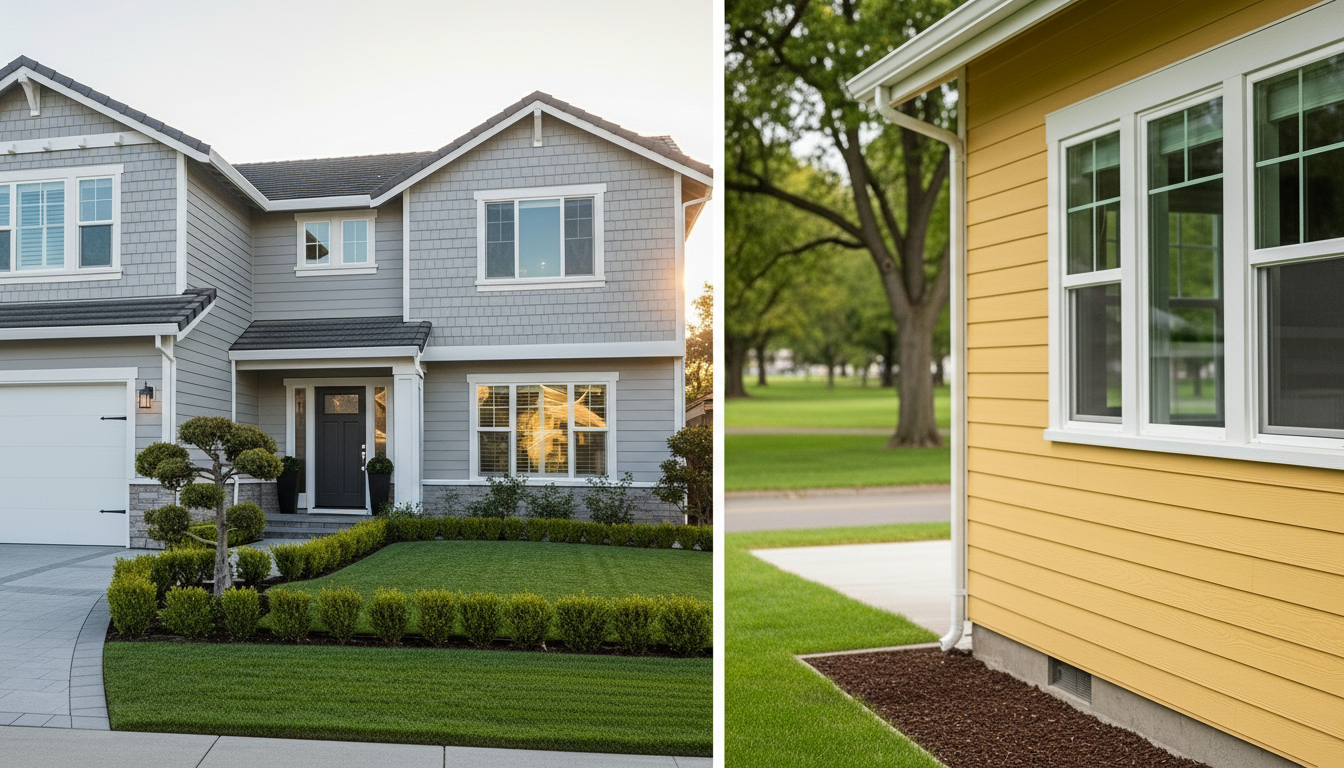
There is no single siding material that is right for every property. The best choice depends on your home’s architecture, budget, maintenance expectations, local exposure, and preferred appearance.
Vinyl siding remains a popular option because it is relatively low maintenance and available in many colors, profiles, and textures. It can work well for homeowners who want an attractive exterior without regular painting.
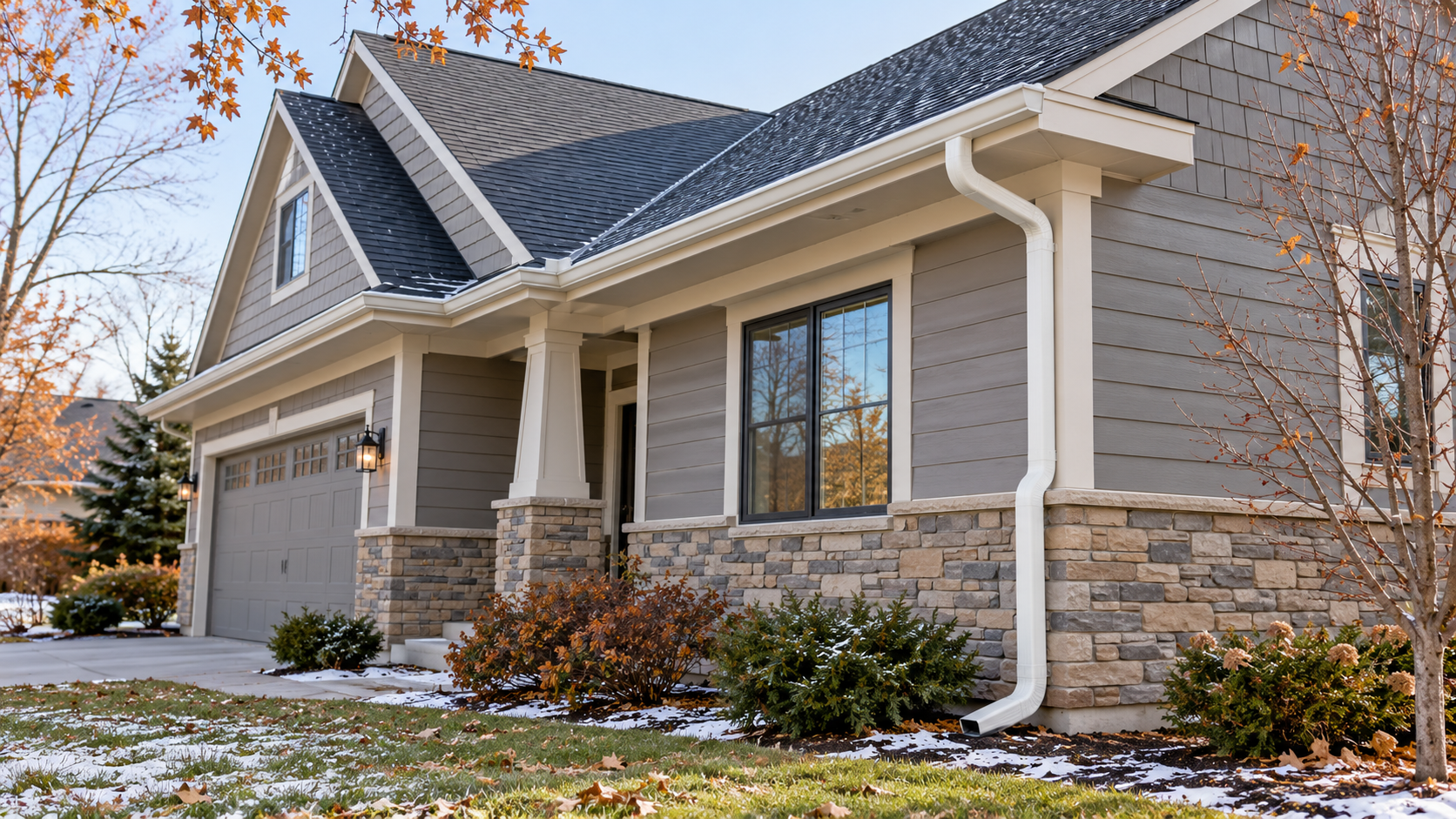
Fiber cement siding provides a heavier, solid exterior finish and is commonly selected for durability, dimensional stability, and a more premium appearance. Products in this category can resemble traditional wood while requiring different maintenance than natural wood.
Wood siding offers a distinctive, traditional appearance that many homeowners prefer for historic, custom, or character-focused homes. However, it generally requires greater attention to painting, sealing, and moisture management.
JVW Roofing’s siding service currently covers vinyl replacement siding, fiber cement products, wood siding, and custom trim and accent work for Central New Jersey homes.
Why Proper Siding Installation Matters
Even high-quality siding can underperform when it is installed incorrectly.
One of the most important parts of the siding system is actually behind the visible panels. House wrap, flashing, exterior sheathing, insulation, window details, and moisture-management components all work together to protect the structure.
For example, improper flashing around a window can allow water to travel behind the siding. A homeowner may not notice the issue immediately, but repeated moisture exposure can eventually damage sheathing, insulation, interior finishes, or framing.
A professional siding installation should therefore address the complete exterior system rather than focusing only on appearance.
Correct fastener placement, panel spacing, flashing details, trim installation, moisture barriers, and manufacturer installation requirements can all affect how well the finished exterior performs over time.
How to Choose a Reliable Contractor for Siding
Price is important, but it should not be the only factor when comparing siding companies.
Before hiring a contractor, confirm licensing and insurance, ask about experience with the specific siding material you are considering, and request a written estimate that clearly explains the scope of work. The contractor should also be willing to explain what happens if damaged sheathing, rot, or another hidden issue is discovered after the existing siding is removed.
You should also consider communication. A professional contractor should be able to explain the project without pressuring you into a decision.
A useful contractor comparison should consider:
- Contractor licensing and appropriate insurance
- Relevant siding and exterior remodeling experience
- Detailed written scope and pricing
- Material and installation specifications
- Flashing and moisture-management methods
- Cleanup and disposal responsibilities
- Project schedule and communication process
- Manufacturer and workmanship warranty information
Be cautious of estimates that provide almost no detail or prices that are dramatically lower than every other proposal without a clear explanation.
Siding Repair vs. Siding Replacement
Not every siding problem requires a full replacement.
If damage is limited to a small area and the surrounding siding is still in good condition, a siding repair contractor may be able to replace damaged panels, correct loose sections, repair flashing, or address trim problems.
Replacement becomes more reasonable when deterioration is widespread, matching the existing siding is difficult, repeated repairs are becoming common, or moisture damage exists across multiple areas.
Age also matters, but condition is usually more useful than age alone. Two homes with siding installed during the same year can age very differently depending on installation quality, sun exposure, storm exposure, maintenance, and moisture conditions.
A trustworthy siding professional should explain both repair and replacement options when both are realistic.
Why Local Experience Matters for New Jersey Siding Projects

Local experience can be valuable because exterior construction requirements are influenced by weather exposure, municipal permitting, neighborhood design requirements, and property type.
Coastal and near-coastal areas may experience stronger wind exposure, while older Central New Jersey homes can have different exterior wall assemblies than newer construction. Contractors familiar with the region are better positioned to inspect these conditions before work begins.
JVW Roofing states that it provides siding and exterior services throughout Monmouth, Ocean, Middlesex, and Mercer Counties, including communities such as Freehold, Manalapan, Jackson, Toms River, and Brick. The company also states that it handles local permitting requirements for its siding project.
What Should You Expect During a Professional Siding Project?
A well-managed siding project normally begins with an exterior inspection and consultation. The contractor should evaluate the condition of the current siding and discuss materials, colors, trim details, and any areas that may need additional attention.
Once work begins, existing materials may be removed where required so the wall beneath can be inspected. Any necessary repairs should be completed before the weather barrier and new siding system are installed.
Special attention should be given to doors, windows, corners, roof-to-wall areas, soffits, fascia, and other transitions where water can enter if details are not completed correctly.
At the end of the project, the contractor should review the finished work and leave the property clean and safe.
Work With an Experienced NJ Contractor for Siding
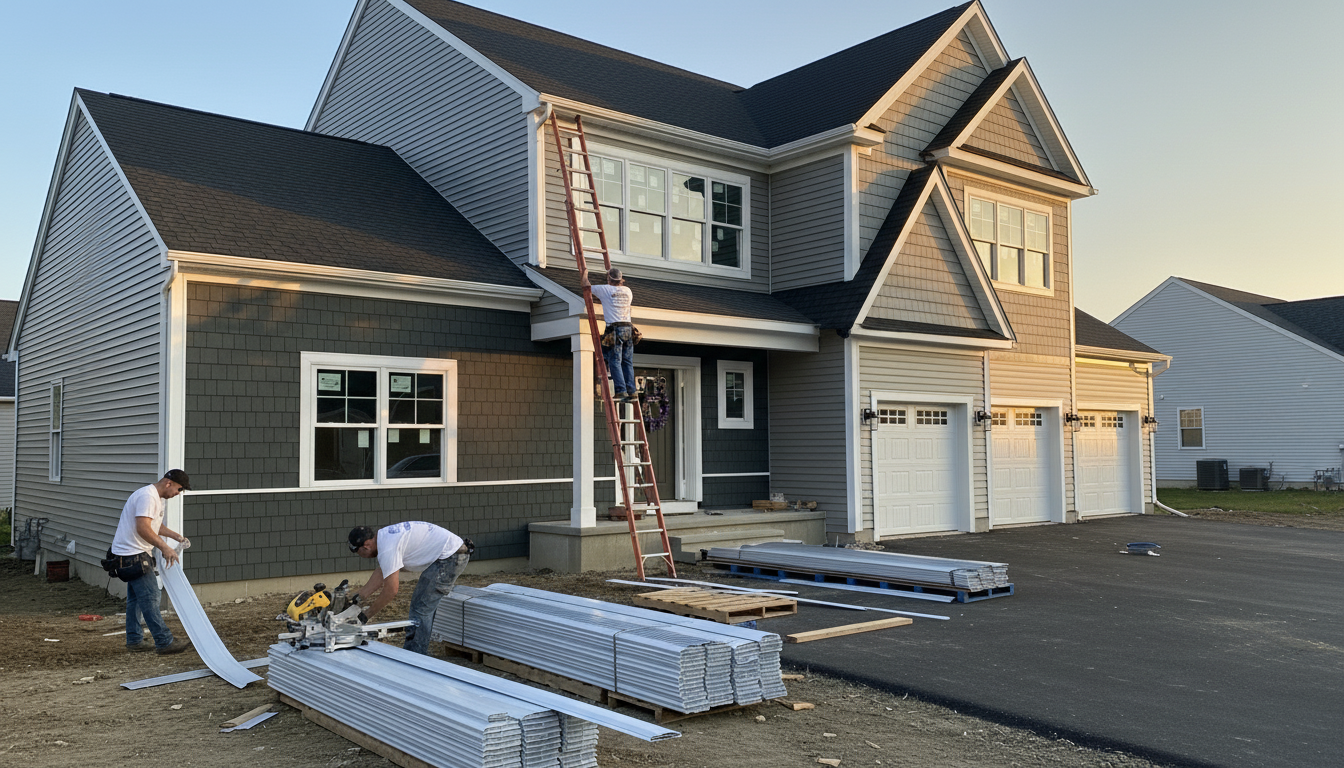
The best siding project combines the right material with careful installation, moisture protection, appropriate flashing, and experienced workmanship.
If you are searching for a contractor for siding in New Jersey, start by choosing a company that will inspect your home carefully, explain your options, provide a clear estimate, and recommend a solution based on the actual condition of your exterior.
JVW Roofing is a GAF Master Elite® Contractor, NJ and states that it has served New Jersey homeowners for more than 40 years. The company provides siding installation and replacement alongside roofing, gutters, windows, skylights, doors, and other exterior services, and lists NJ HIC License #13VH14032300.
If your siding is cracked, warped, aging, storm-damaged, or simply ready for an exterior upgrade, you can schedule an inspection with JVW Roofing to discuss the appropriate repair or replacement options for your home.
Frequently Asked Questions About Hiring a Contractor for Siding
What should I look for in a siding contractor?
Look for proper licensing and insurance, relevant siding experience, detailed written estimates, clear communication, and knowledge of moisture protection, flashing, and manufacturer installation requirements.
Can a siding contractor repair only part of my siding?
Yes. Localized damage can often be repaired if the surrounding siding and wall system remain in good condition and a suitable replacement material is available.
What type of siding is best for New Jersey homes?
Vinyl, fiber cement, and wood can all be appropriate depending on the property, maintenance preferences, appearance, exposure, and budget. A professional inspection can help determine the most practical option.
Does new siding help with energy efficiency?
A properly designed exterior system may improve comfort by reducing air leakage and improving the wall assembly, particularly when old house wrap or insulation issues are addressed during the project.
How do I get an estimate for siding work?
A professional contractor should inspect the property before providing a detailed estimate. JVW Roofing currently offers siding services across Monmouth, Ocean, Middlesex, and Mercer Counties.