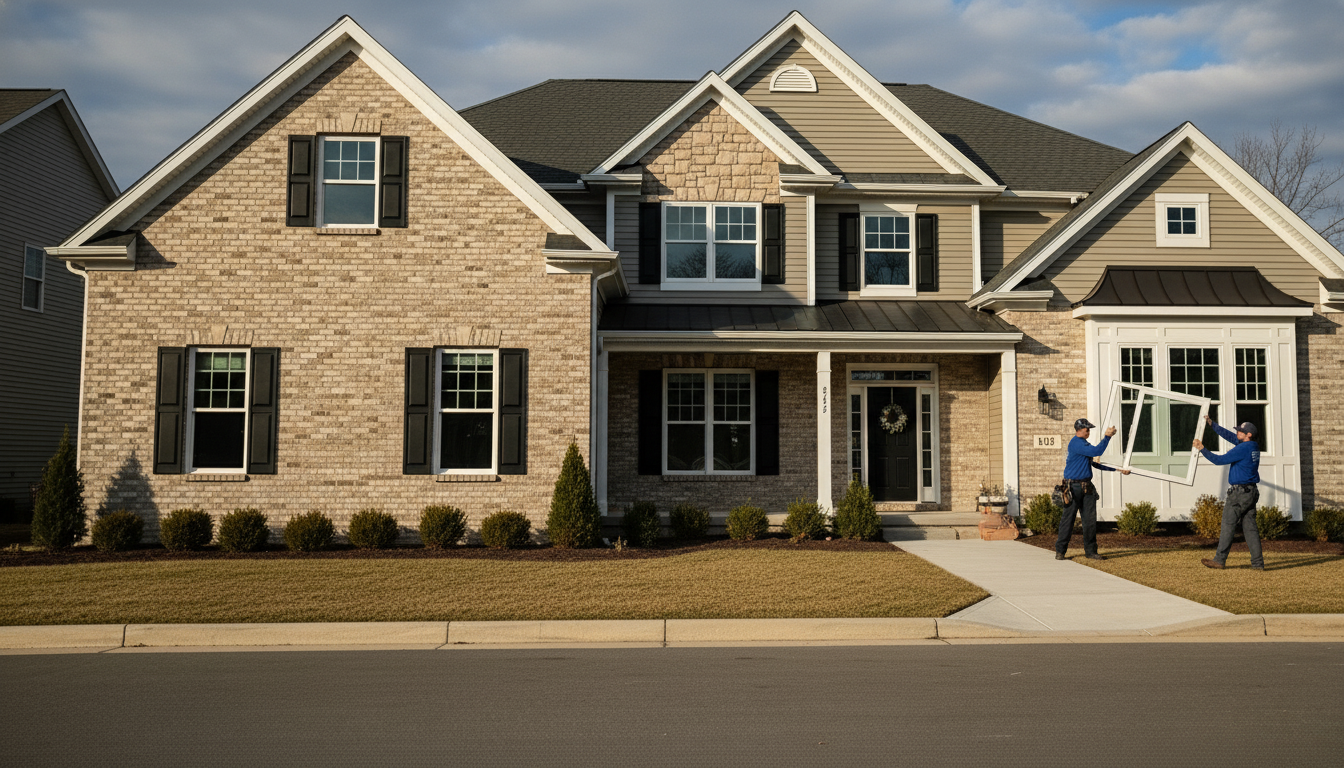
Choosing the best replacement windows is an important decision for any homeowner. Your windows affect much more than the appearance of your home. They influence energy efficiency, indoor comfort, natural light, ventilation, noise levels, security, and long-term maintenance.
For more than 40 years, JVW Roofing has helped homeowners improve and protect their properties through professional exterior remodeling services. As a licensed contractor, our team provides window installation, window replacement, roofing, siding, gutters, doors, and other exterior services.
In this guide, we’ll compare seven popular replacement window options, explain the materials and glass technologies available, discuss important performance features, and show you what to consider before choosing new windows for your home.
What Are Replacement Windows?
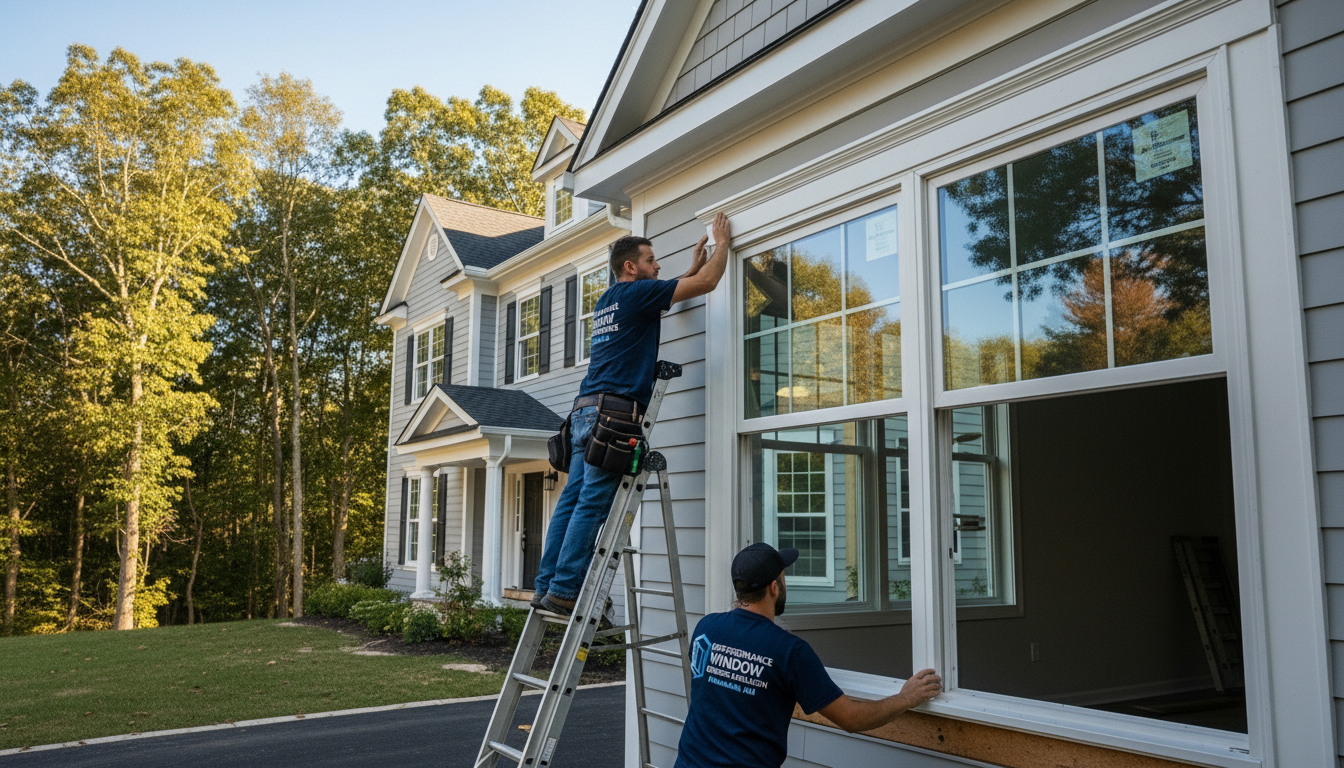
Replacement windows are new window units installed in an existing home to replace old, damaged, inefficient, or outdated windows.
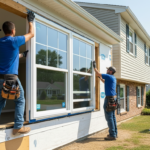
Depending on the condition of the existing opening, replacement work may involve removing the existing window, preparing the opening, installing the new unit, sealing the perimeter, and finishing the surrounding area.
Homeowners typically replace windows because of:
- Drafts
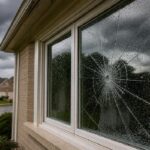
- Broken glass
- Difficult operation
- Water leaks
- Rotting frames
- Failed seals
- High energy bills
- Outdated appearance
- Poor ventilation
- Noise from outside
A properly installed window can improve the performance of the entire building envelope while updating the home’s appearance.
7 Best Replacement Windows for Homeowners
The best replacement windows depend on how you use each room and what you want the windows to accomplish.
1. Double-Hung Replacement Windows
Double-hung windows are one of the most popular choices for residential properties.
Both the upper and lower sashes can move, allowing homeowners to control ventilation from different parts of the opening.
Benefits of Double-Hung Windows
- Easy operation
- Good ventilation
- Classic appearance
- Available in numerous materials
- Easy to clean on many models
- Suitable for bedrooms and living areas
Double-hung windows work particularly well in traditional and contemporary homes because they combine familiar styling with modern performance.
2. Casement Replacement Windows
Casement windows are hinged on one side and open outward.
Unlike sliding windows, casement windows can create a large opening for ventilation. When closed, their compression-style seals can also provide strong resistance to air infiltration.
Benefits Include:
- Excellent ventilation
- Unobstructed glass area
- Modern appearance
- Good weather sealing
- Easy-to-use crank operation
Casement windows can be a strong option for kitchens, bathrooms, and rooms where homeowners want increased airflow.
3. Sliding Replacement Windows
Sliding windows open horizontally along a track.
They are particularly useful where you want ventilation without a window that swings outward.
Advantages
- Simple operation
- Convenient for many rooms
- Easy access
- Space-efficient design
- Minimal exterior clearance requirements
Sliding windows are commonly used in bedrooms, living rooms, and areas where outward-opening windows may interfere with walkways or landscaping.
4. Awning Replacement Windows
Awning windows are hinged at the top and open outward from the bottom.
This configuration provides ventilation while helping keep rain from entering when the window is partially open.
Benefits
- Excellent ventilation
- Useful in wet weather
- Compact design
- Good sealing when closed
- Modern architectural appearance
Awning windows are often paired with fixed windows or other operating styles to create larger window configurations.
5. Picture Windows
Picture windows are fixed and designed primarily to provide views and natural light.
Because they do not open, they can offer a large uninterrupted glass area with fewer moving components.
Advantages
- Maximum natural light
- Wide outdoor views
- Minimal maintenance
- Strong visual impact
- Excellent complement to other window styles
Picture windows are especially popular in living rooms, great rooms, and areas overlooking gardens or outdoor spaces.
For ventilation, they can be combined with operable windows nearby.
6. Bay and Bow Windows
Bay and bow windows extend beyond the exterior wall, creating additional visual space inside the room.
They can dramatically improve architectural character and provide a wider view of the outdoors.
Benefits
- Increased natural light
- Expanded views
- Architectural interest
- Additional interior space
- Enhanced curb appeal
Because these configurations can be more complex than standard replacement windows, accurate measurements and professional installation are particularly important.
7. Specialty and Custom Replacement Windows
Some homes require window shapes or configurations that don’t fit standard dimensions.
Custom windows can accommodate:
- Arched openings
- Large openings
- Unique architectural designs
- Specialty glass
- Custom colors
- Non-standard dimensions
Custom replacement windows can help maintain the original character of older homes while improving performance and appearance.
Choosing the Best Replacement Window Material
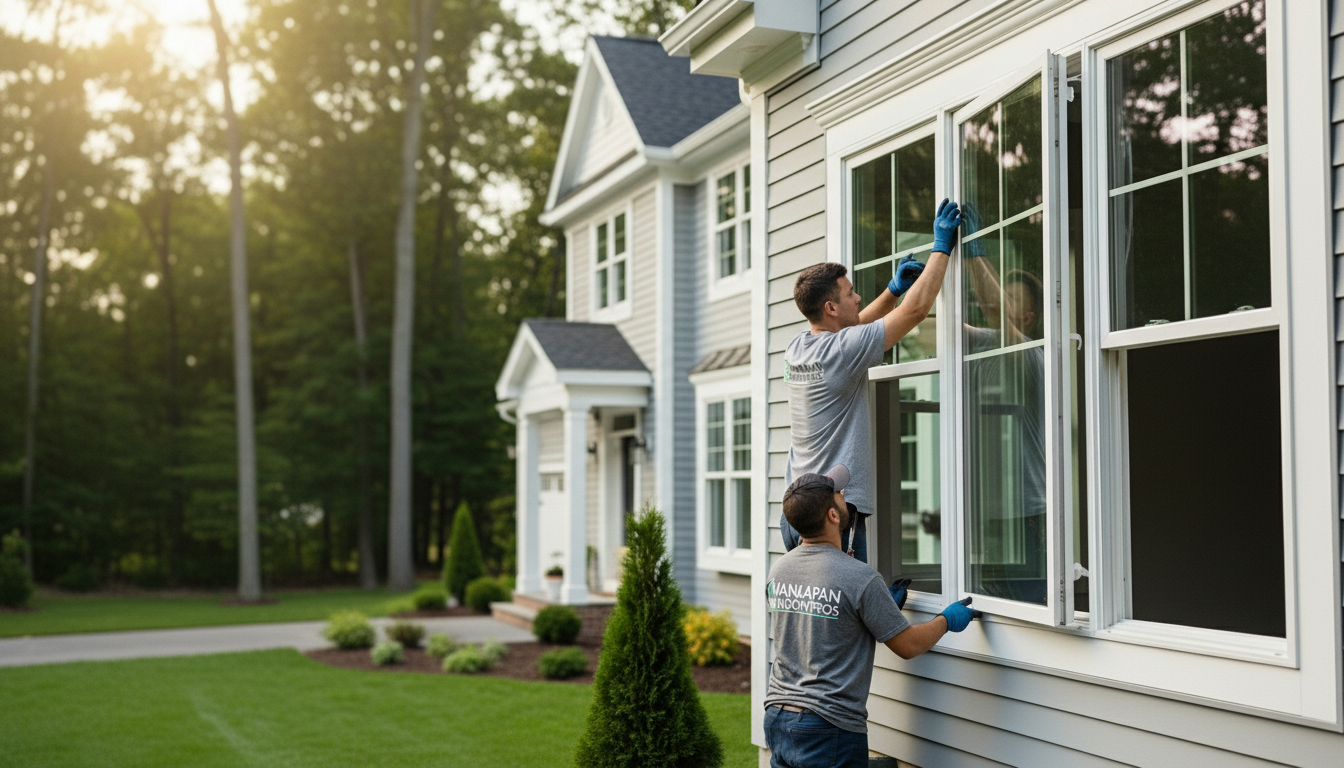
Window style is only one part of the decision. The frame material also affects durability, maintenance, insulation, appearance, and cost.
Vinyl Windows
Vinyl windows are among the most popular residential choices because they require relatively little maintenance and offer good value.
Benefits include:
- Affordable cost
- Low maintenance
- Moisture resistance
- Multiple colors and styles
- Good energy performance
Vinyl doesn’t typically require painting, making it appealing to homeowners seeking a low-maintenance option.
Fiberglass Windows
Fiberglass frames are known for strength and dimensional stability.
They can offer:
- Excellent durability
- Low expansion and contraction
- Strong weather resistance
- Energy-efficient designs
- Long-term performance
Fiberglass can be especially attractive for homeowners looking for a durable premium window material.
Wood Windows
Wood windows provide a traditional, natural appearance.
They are often chosen for historic homes and properties where architectural character is especially important.
Advantages include:
- Natural beauty
- Warm appearance
- Good insulation properties
- Customizable finishes
However, wood requires more maintenance than many modern window materials.
Aluminum Windows
Aluminum frames are strong, lightweight, and commonly used in certain architectural and commercial applications.
Modern aluminum windows can incorporate thermal improvements that enhance energy performance.
They are often selected for their clean lines and durability.
What Makes a Window Energy Efficient?
When comparing the best replacement windows, don’t look only at the frame material or appearance. Glass and overall window performance matter just as much.
Double-Pane Glass
Double-pane windows use two glass panes with an insulating space between them.
They generally provide better insulation than single-pane windows and are widely used in modern residential applications.
Triple-Pane Glass
Triple-pane windows contain three layers of glass and additional insulating spaces.
They can provide higher insulation performance, although they are heavier and typically cost more than double-pane windows.
Low-E Glass
Low-E, or low-emissivity, coatings are designed to reduce heat transfer through the glass.
Depending on the product and climate, Low-E glass can help:
- Reduce unwanted heat gain
- Reduce heat loss
- Improve indoor comfort
- Protect furnishings from UV exposure
Gas-Filled Insulating Glass
Some insulated windows use inert gases, such as argon, between the panes to improve thermal performance.
The exact performance depends on the complete window assembly rather than one feature alone.
Understanding Window Energy Ratings
When shopping for replacement windows, homeowners should look beyond marketing claims and compare standardized performance information.
Important window performance characteristics can include:
U-Factor
U-factor indicates how well a window resists heat transfer. Lower values generally indicate better insulating performance.
Solar Heat Gain Coefficient
SHGC measures how much solar radiation enters through the window. The ideal value depends on climate, orientation, and the home’s energy goals.
Air Leakage
Air leakage ratings indicate how much air passes through a window assembly under standardized testing conditions. Lower air leakage can indicate a tighter window.
Visible Transmittance
Visible transmittance measures how much visible light passes through the window.
Considering these performance factors can help homeowners choose windows based on actual needs rather than appearance alone.
Signs Your Windows Need Replacement
Not every window problem means immediate replacement, but several warning signs deserve professional attention.
Persistent Drafts
If you feel outdoor air around a closed window, the weather seal, frame, or installation may be failing.
Difficult Operation
Windows that stick, won’t stay open, or require excessive force may have worn hardware, frame problems, or structural movement.
Condensation Between Glass Panes
Moisture trapped between insulated glass panes can indicate seal failure.
Water Leaks
Water around the window frame may indicate problems with flashing, seals, installation, or surrounding siding.
Rotting Frames
Wood rot can compromise the window and surrounding structure.
Rising Energy Bills
Windows are only one part of a home’s energy performance, but inefficient or poorly sealed windows can contribute to unwanted heat transfer and air leakage.
Outdated Single-Pane Glass
Older single-pane windows generally offer less insulation than modern high-performance window systems.
Window Replacement vs. Window Repair
Repair and replacement are not always the same decision.
Repair may be appropriate when:
- Hardware is damaged
- Weatherstripping has failed
- Minor caulking problems exist
- The frame is structurally sound
- The glass can be replaced without replacing the entire unit
Replacement may make more sense when:
- Frames are severely deteriorated
- Multiple components are failing
- Insulated glass seals have repeatedly failed
- Water intrusion continues
- Windows are significantly outdated
- Repair costs are becoming frequent
A professional assessment can help you determine which option provides better long-term value.
What Affects Replacement Window Cost?
The cost of new windows varies significantly between homes.
Factors include:
- Number of windows
- Window size
- Window style
- Frame material
- Glass configuration
- Energy-performance options
- Custom sizing
- Interior finishing
- Exterior trim
- Existing window removal
- Installation complexity
Large architectural windows and custom configurations generally require more labor and materials than standard units.
Rather than selecting windows based solely on upfront price, consider durability, energy performance, warranty coverage, maintenance, and installation quality.
Why Professional Window Installation Matters
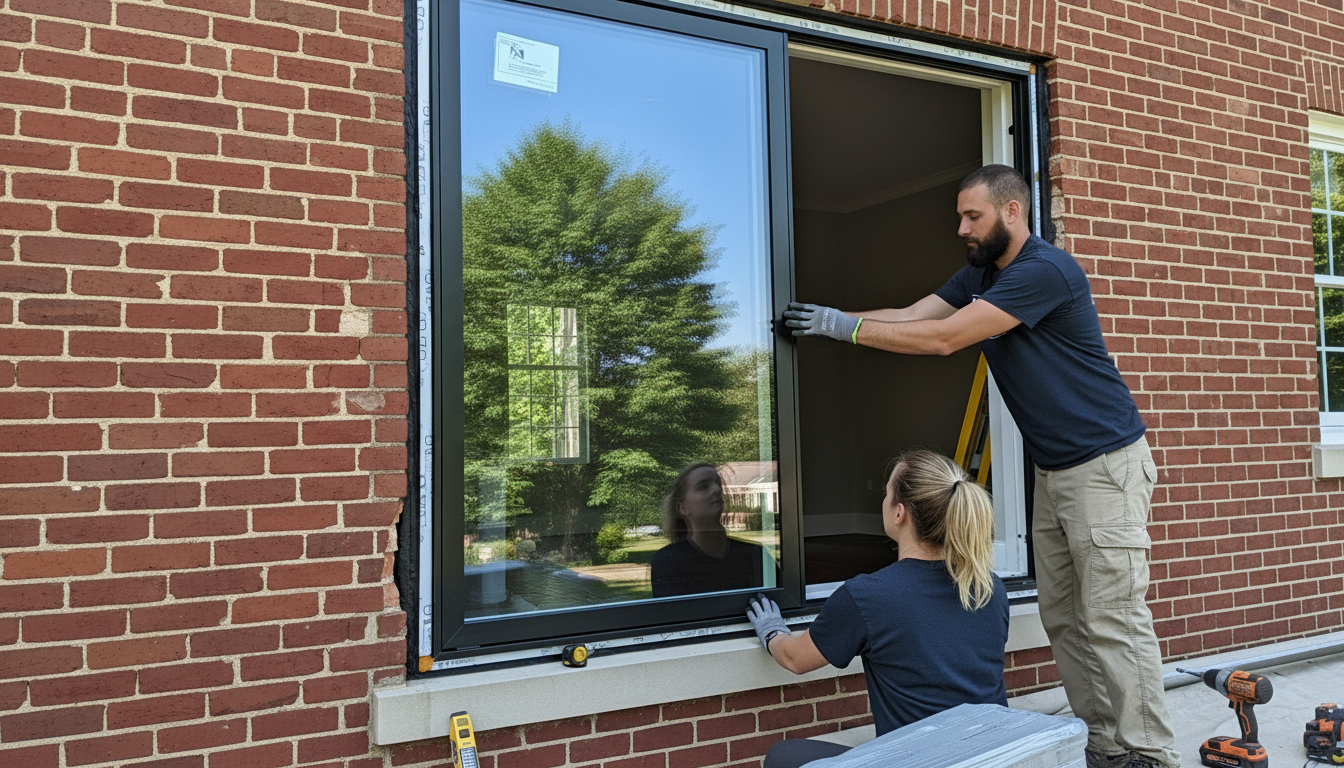
Even the best window can perform poorly if it is installed incorrectly.
Professional installation helps ensure:
- Proper measurements
- Correct alignment
- Secure fastening
- Adequate flashing
- Weather-resistant sealing
- Proper operation
- Integration with siding and exterior finishes
The installation also needs to account for the surrounding wall assembly.
Windows interact with siding, flashing, insulation, trim, and the building envelope. A problem around the opening can eventually lead to water intrusion or air leakage.
How to Choose the Best Replacement Windows
Before purchasing new windows, consider these seven questions:
1. What window style suits the room?
Think about ventilation, accessibility, views, and furniture placement.
2. Which frame material fits your maintenance preferences?
Vinyl, fiberglass, wood, and aluminum offer different combinations of appearance and performance.
3. What glass performance do you need?
Compare double-pane and triple-pane options along with Low-E coatings and other features.
4. What are the window’s energy ratings?
Review U-factor, SHGC, air leakage, and other available performance information.
5. Does the style fit the home?
New windows should complement the architectural character of the property.
6. What warranty is included?
Understand both product and installation warranty coverage.
7. Who will install the windows?
Professional installation is essential to achieving the performance promised by the window manufacturer.
Why Homeowners Choose JVW Roofing
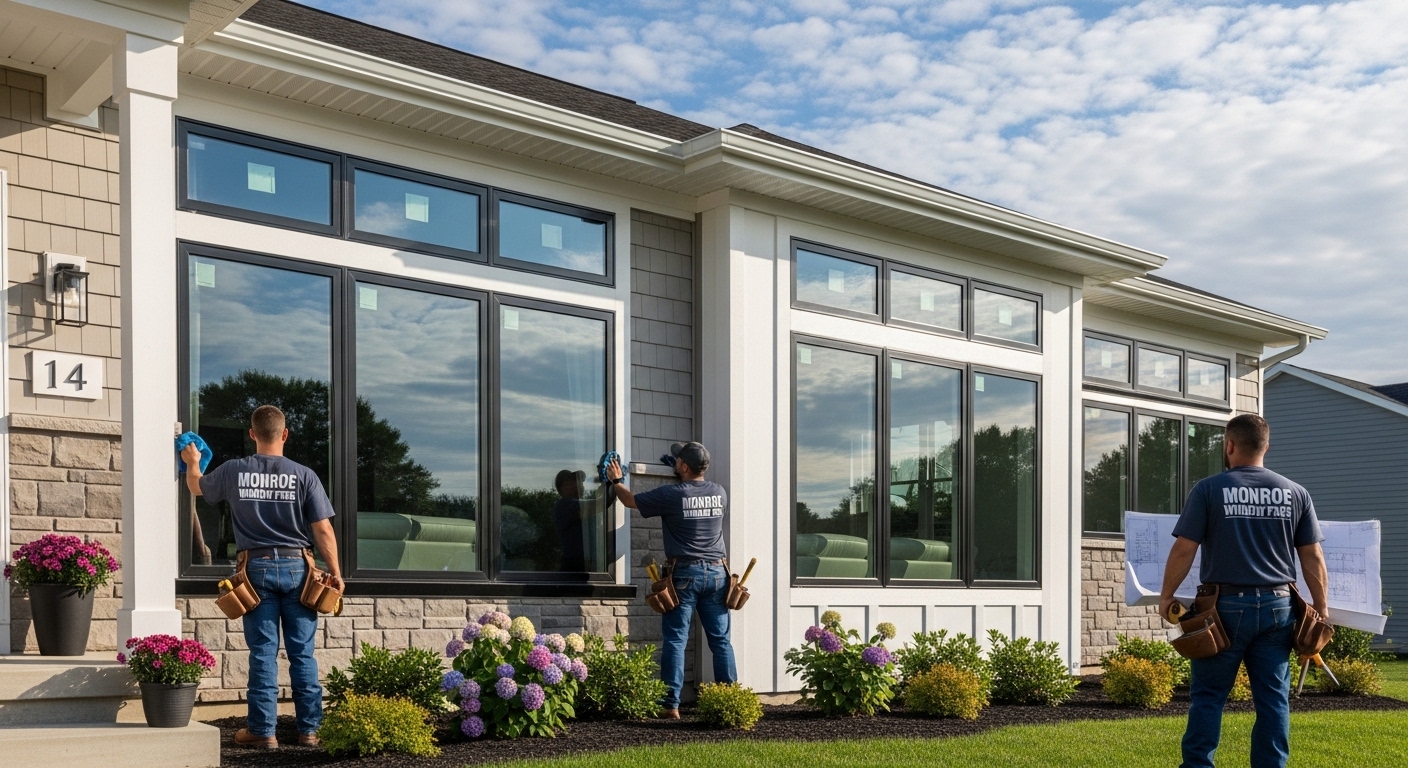
For over 40 years, JVW Roofing has helped homeowners improve their properties through professional roofing and exterior remodeling services.
JVW Roofing is a GAF Certified Plus™ Contractor, Owens Corning Preferred Contractor, and operates under NJ License #13VH14032300.
Our exterior services include:
- Window installation
- Window replacement
- Window repair
- Skylight installation
- Skylight repair
- Roof repair
- Roof replacement
- Siding installation
- Siding replacement
- Gutter installation
- Door services
- Exterior remodeling
Our team focuses on quality workmanship, practical recommendations, and solutions designed around your home’s needs.
Frequently Asked Questions
What are the best replacement windows for a home?
The best replacement windows depend on your home’s style, climate, budget, maintenance preferences, and energy goals. Vinyl, fiberglass, wood, and aluminum can all be appropriate depending on the application.
Are vinyl replacement windows a good choice?
Yes. Vinyl replacement windows are popular because they offer low maintenance, moisture resistance, a wide range of styles, and competitive pricing.
Are triple-pane windows worth it?
Triple-pane windows can provide higher insulation performance than double-pane windows, but they usually cost more. Their value depends on climate, energy goals, and the specific window’s performance ratings.
How long do replacement windows last?
Lifespan varies by frame material, glass package, installation quality, exposure, and maintenance. High-quality replacement windows can provide many years of service when properly installed and maintained.
How do I know when to replace my windows?
Persistent drafts, difficult operation, moisture between glass panes, water leaks, damaged frames, and outdated single-pane glass are common reasons to consider replacement.
Should I replace all windows at once?
Not necessarily. Some homeowners replace windows in phases based on condition, budget, and priorities. A professional assessment can help determine the best sequence.
Can replacement windows improve energy efficiency?
High-performance windows can reduce heat transfer and air leakage, but overall energy performance also depends on insulation, air sealing, HVAC systems, and other parts of the building envelope.
Final Thoughts
Choosing the best replacement windows requires more than picking the most attractive style. The right windows should balance appearance, energy performance, durability, maintenance, security, and budget.
Start by identifying why you’re replacing your existing windows. Then compare window styles, frame materials, glass options, energy ratings, warranties, and installation requirements.
Most importantly, don’t overlook the installation itself. Properly installed windows work as part of your home’s larger building envelope and can provide better protection against air leakage, moisture, and weather exposure.
For more than 40 years, JVW Roofing has provided homeowners with dependable exterior remodeling services and professional window solutions. As a licensed contractor, we bring experienced workmanship and practical guidance to every project.
Ready to compare your options? Contact JVW Roofing today for a FREE estimate and professional window evaluation.