How to Fix a Sagging Door: A Complete Step-by-Step Guide
A sagging door might seem like a minor inconvenience, but it can quickly become a frustrating and expensive problem if left unattended. Whether your front door rubs against the floor, sticks when opening, refuses to latch properly, or leaves uneven gaps around the frame, these are all common signs that your door has started to sag.
The good news is that in many cases, you don’t need to replace the entire door. Learning how to fix a sagging door can save you time, money, and prevent further damage to your home’s frame and hardware.
At JVW Roofing, we’ve helped homeowners improve and protect their homes for over 40 years. As a licensed contractor, we understand that properly functioning exterior doors are essential for security, energy efficiency, and curb appeal. In this guide, we’ll explain why doors sag, how to repair them, when to call a professional, and how to prevent the problem from happening again.
What Is a Sagging Door?
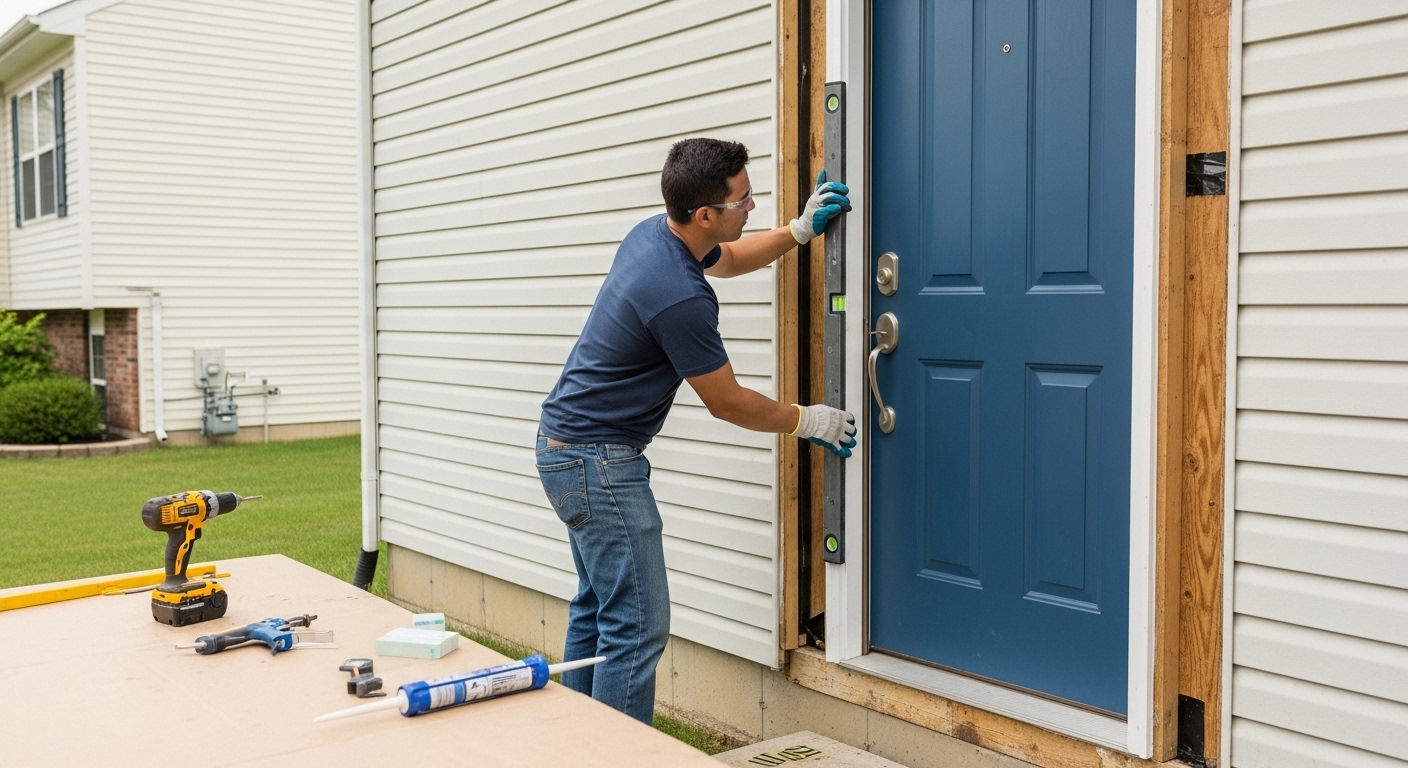
A sagging door is a door that has shifted downward over time, causing it to become misaligned with the frame. Instead of opening and closing smoothly, the door may scrape the floor, stick against the frame, or fail to latch correctly.
This issue can affect:
- Front entry doors
- Interior doors
- French doors
- Patio doors
- Storm doors
- Exterior side doors
Although sagging doors are common in older homes, they can also occur in newer homes due to poor installation, loose hardware, heavy door weight, or seasonal expansion and contraction.
Ignoring a sagging door can eventually lead to damaged hinges, worn hardware, cracked frames, air leaks, and even water intrusion around exterior doors.
What Causes a Door to Sag?
Before making repairs, it’s important to identify what’s causing the problem. A door can sag for several reasons, and the right solution depends on the underlying issue.
Loose Hinge Screws
One of the most common reasons a door begins to sag is loose hinge screws. Every time a door opens and closes, the screws experience stress. Over the years, they can gradually loosen, allowing the door to shift downward.
This is often the easiest problem to fix.
Worn-Out Hinges
Door hinges naturally wear out after years of daily use. As the hinge pin loosens or the hinge plates bend, the door no longer remains properly aligned.
Signs include:
- Squeaking hinges
- Door movement when lifted
- Visible hinge gaps
- Difficulty closing the door
Heavy Doors
Solid wood and fiberglass entry doors are significantly heavier than hollow-core interior doors.
Over time, the extra weight places constant pressure on the hinges, causing gradual sagging.
Stripped Screw Holes
Sometimes the screws aren’t loose—they simply no longer grip the wood.
When screw holes become stripped, tightening the screws won’t solve the problem because the wood inside the frame has deteriorated.
Foundation Movement
Homes naturally settle over time.
Even small foundation shifts can slightly alter the shape of the door frame, leading to alignment problems.
If multiple doors throughout your home are sticking or sagging, foundation movement may be the underlying cause.
Moisture and Humidity
Exterior doors constantly expand and contract due to changing weather conditions.
High humidity can cause wooden doors and frames to swell, creating the appearance of a sagging door.
Signs Your Door Needs Repair
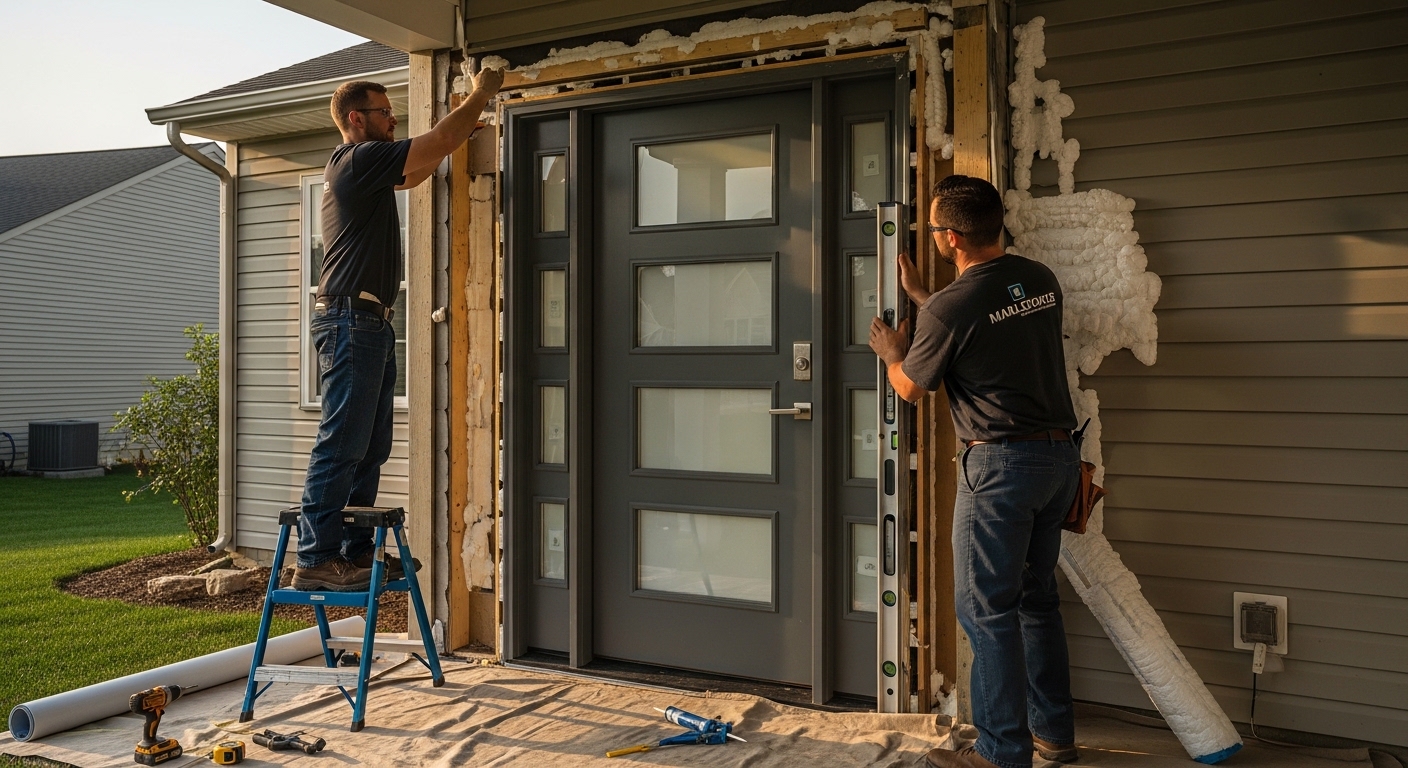
Knowing the warning signs helps homeowners address problems before major repairs become necessary.
Common symptoms include:
- Door rubs against the floor
- Door sticks when opening
- Door won’t latch properly
- Uneven gaps around the frame
- Light visible around the door
- Drafts entering the home
- Loose hinges
- Cracked door frame
- Squeaking hinges
- Difficulty locking the door
Even one of these signs indicates it’s time for a closer inspection.
Tools You’ll Need
Before starting your sagging door repair, gather the following tools:
- Screwdriver
- Drill
- Wood screws (3-inch recommended)
- Wood filler or wooden dowels
- Hammer
- Utility knife
- Sandpaper
- Carpenter’s level
- Shims
- Pencil
- Chisel (if needed)
- Safety glasses
Having the proper tools makes the repair process faster and safer.
Step 1: Inspect the Door
Before making adjustments, inspect the entire door system.
Check:
- All three hinges
- Door frame
- Latch alignment
- Door gaps
- Weather stripping
- Threshold
Use a level to determine whether the door is actually sagging or if the frame has shifted.
Take note of where the door rubs against the frame or floor.
Step 2: Tighten the Hinge Screws
This is often the easiest and most effective solution.
Start by tightening every screw on all hinges.
Pay special attention to the top hinge since it carries most of the door’s weight.
After tightening the screws:
- Open the door
- Close the door
- Check alignment
- Test the latch
Many homeowners solve the issue within minutes using this simple repair.
Step 3: Replace Short Screws with Longer Screws
Builder-grade doors are often installed using short screws that don’t reach the structural framing.
Replacing them with 3-inch wood screws dramatically increases support.
Remove one screw from the top hinge and replace it with a longer screw that extends into the wall framing.
Tighten carefully without overtightening.
This pulls the door back into proper alignment and often eliminates sagging immediately.
Step 4: Repair Stripped Screw Holes
If the screws continue spinning without tightening, the holes are stripped.
An easy repair involves:
- Remove the screw.
- Fill the hole using wood glue and wooden golf tees or dowels.
- Allow the glue to dry.
- Trim the excess wood.
- Drill a new pilot hole.
- Reinstall the screw.
This creates a solid anchor point for the hinge.
Step 5: Adjust or Replace the Hinges
Sometimes the hinges themselves have worn out.
Inspect each hinge for:
- Bent plates
- Rust
- Loose hinge pins
- Cracks
- Excessive movement
If damaged, replace them with heavy-duty hinges designed for your door’s weight.
Replacing worn hinges restores proper alignment while improving long-term durability.
Step 6: Shim the Hinges for Better Door Alignment
If tightening or replacing the hinge screws doesn’t completely solve the problem, installing hinge shims can help correct the door’s alignment.
A shim is a thin piece of material placed behind the hinge to slightly change the door’s angle.
This method is especially useful when:
- The top corner of the door rubs against the frame.
- The latch doesn’t line up with the strike plate.
- The gaps around the door are uneven.
How to Shim a Door Hinge
- Open the door and support it with a doorstop or wood block.
- Remove the screws from the hinge you want to adjust.
- Carefully remove the hinge leaf from the frame.
- Place a thin cardboard or plastic shim behind the hinge.
- Reattach the hinge and tighten the screws.
- Test the door and repeat if necessary.
Even a small adjustment can make a significant difference in how the door opens and closes.
Step 7: Plane the Door (Only If Necessary)
Sometimes the door itself has swollen because of moisture or humidity rather than sagging.
If you’ve already corrected the hinges and alignment but the door still rubs against the frame, carefully planing the edge of the door may solve the problem.
Before You Plane the Door
- Confirm the problem isn’t caused by loose hinges.
- Mark the rubbing area with a pencil.
- Remove only a small amount of material.
- Sand the edge smooth after trimming.
- Repaint or reseal exposed wood to protect it from moisture.
Removing too much material can create large gaps and reduce your home’s energy efficiency.
How to Fix a Sagging Front Door
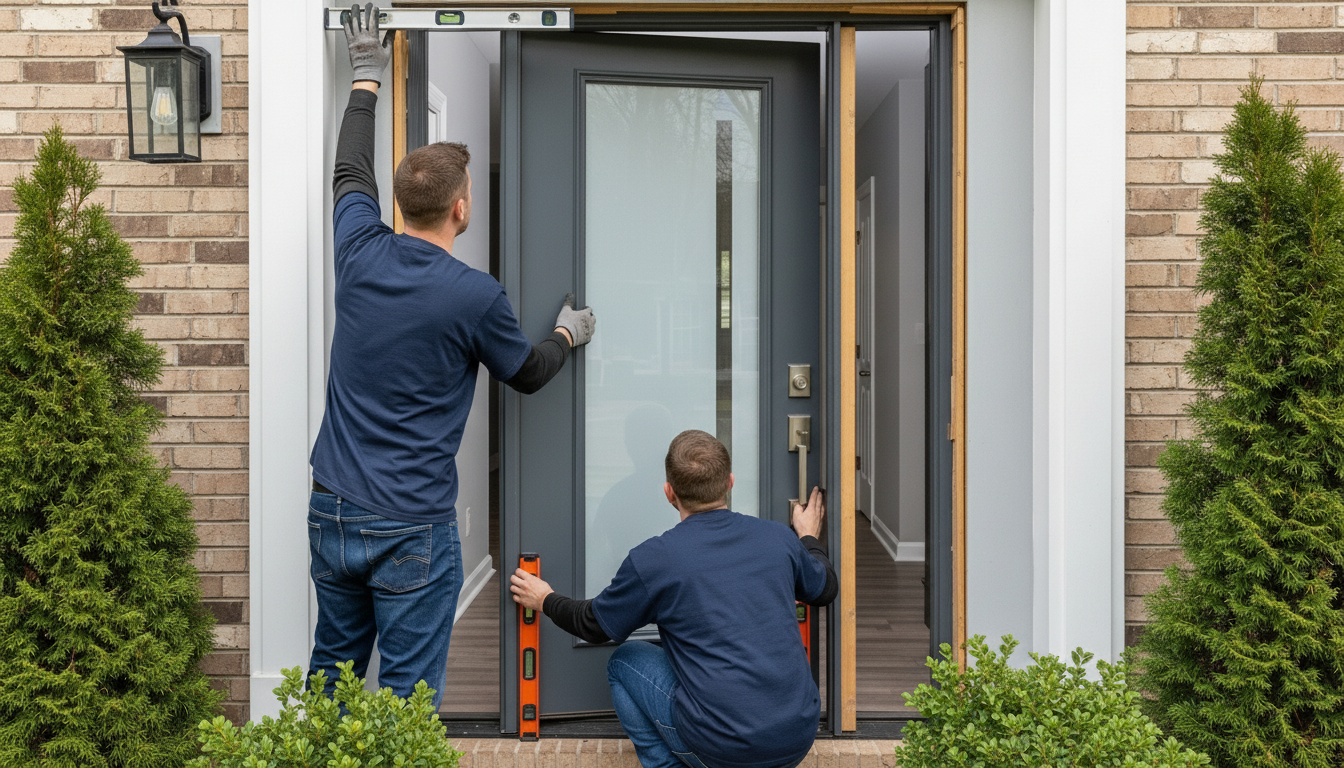
A sagging front door requires extra attention because it protects your home’s security and energy efficiency.
Unlike interior doors, front doors are heavier and constantly exposed to changing weather conditions.
When repairing an exterior door, inspect:
- Hinges
- Weather stripping
- Threshold
- Door frame
- Lock alignment
- Deadbolt operation
Replacing worn weather stripping after the repair can also reduce drafts and improve insulation.
Fixing a Sagging Door That Won’t Latch
Many homeowners notice the problem only after the door refuses to latch.
This usually happens because the latch no longer aligns with the strike plate.
Possible Solutions
- Tighten the hinges.
- Replace loose screws.
- Shim the hinges.
- Adjust the strike plate.
- Replace worn hinges.
- Inspect the frame for movement.
If the strike plate is only slightly misaligned, loosening its screws and repositioning it may restore proper operation.
Common Mistakes Homeowners Make
DIY repairs are often successful, but certain mistakes can make the problem worse.
Avoid these common errors:
Ignoring the Real Cause
Many people immediately sand or trim the door without checking the hinges.
Always inspect the hardware first.
Overtightening Screws
Using excessive force can strip the screw holes or damage the hinge.
Tighten screws firmly but carefully.
Using the Wrong Screws
Short screws don’t provide enough support for heavy exterior doors.
Whenever possible, replace them with long wood screws that reach the structural framing.
Skipping the Inspection
A sagging door may actually be caused by:
- Water damage
- Foundation settlement
- Rot
- Warped framing
Failing to identify these issues can lead to recurring problems.
Removing Too Much Material
Planning too much from the edge of the door creates permanent gaps that allow:
- Air leaks
- Moisture intrusion
- Reduced energy efficiency
Always remove the smallest amount necessary.
Preventing a Door from Sagging Again
Preventive maintenance can significantly extend the life of your doors.
Homeowners should:
- Tighten hinge screws once a year.
- Lubricate hinges every six months.
- Keep weather stripping in good condition.
- Repair water damage immediately.
- Inspect exterior doors after severe storms.
- Avoid hanging excessive weight on doors.
- Replace worn hinges before they fail.
Small maintenance tasks today can prevent expensive repairs later.
When Should You Call a Professional?
Some door problems require more than a simple DIY repair.
Contact a professional if you notice:
- The door frame has shifted.
- Multiple doors in the home are sticking.
- Large cracks around the frame.
- Severe wood rot.
- Structural movement.
- Broken framing.
- Water damage around the entryway.
- The door still sags after adjusting the hinges.
A professional inspection can identify hidden issues before they become costly repairs.
Why Homeowners Trust JVW Roofing
For over 40 years, JVW Roofing has helped homeowners improve and protect their homes with trusted exterior remodeling services.
As a licensed contractor, we provide expert solutions for entry doors, French doors, windows, roofing, siding, gutters, and other exterior home improvements.
Homeowners choose JVW Roofing because we offer:
- GAF Certified Plus™ Contractor
- NJ Licensed #13VH14032300
- High-quality craftsmanship
- Honest recommendations
- Premium products
- Reliable scheduling
- Competitive pricing
- Exceptional customer service
- Long-lasting home improvement solutions
Whether your door needs a simple adjustment or a complete replacement, our experienced team is ready to help.
Frequently Asked Questions.
Can I Fix a Sagging Door Myself?
Yes. In many cases, homeowners can fix a sagging door by tightening loose hinge screws, replacing stripped screws, adjusting the hinges, or installing hinge shims. These simple repairs often restore proper door alignment without replacing the entire door.
However, if the problem is caused by structural damage, a warped frame, or foundation movement, it’s best to contact a professional contractor.
Why Does My Door Rub Against the Top Corner?
When a door rubs against the upper corner near the latch side, the top hinge is usually loose or worn out.
Replacing short screws with longer 3-inch screws often pulls the door back into alignment and eliminates the rubbing.
Can Loose Hinges Cause a Door to Sag?
Absolutely.
Loose hinges are one of the most common causes of a sagging door. Since the top hinge supports most of the door’s weight, even slightly loose screws can cause the door to drop over time.
Regular inspections help prevent this issue.
Should I Replace My Door Instead of Repairing It?
Not always.
Most sagging doors can be repaired without replacing the entire unit.
Replacement is generally recommended when:
- The door is severely warped.
- Extensive rot is present.
- The frame has structural damage.
- Multiple repairs have failed.
- The door has reached the end of its lifespan.
A professional inspection can determine the most cost-effective solution.
How Long Does It Take to Fix a Sagging Door?
Simple repairs like tightening screws or replacing hinges usually take 30–60 minutes.
More complex repairs involving the frame, weather damage, or door replacement may take several hours.
Can Weather Cause a Door to Sag?
Yes.
Exterior doors expand and contract throughout the year due to changing temperatures and humidity levels. Over time, moisture can cause wooden doors to swell, while seasonal movement may affect the door frame and hinge alignment.
Proper maintenance and sealing help reduce weather-related issues.
Will a Sagging Door Affect My Energy Bills?
Yes.
A misaligned exterior door often creates gaps that allow conditioned air to escape and outdoor air to enter. This forces your HVAC system to work harder, increasing energy consumption and reducing indoor comfort.
Repairing a sagging door improves weather sealing and can help lower heating and cooling costs.
Final Thoughts
Learning how to fix a sagging door can save homeowners time, money, and frustration. In many situations, tightening hinge screws, replacing worn hardware, or adjusting the door alignment is enough to restore smooth operation. Addressing the problem early also helps prevent more serious issues such as damaged frames, air leaks, water intrusion, and expensive repairs.
While many minor door alignment problems can be handled as DIY projects, persistent sagging or structural damage should always be evaluated by an experienced contractor. Professional repairs ensure your door operates correctly, seals properly, and continues to protect your home from the elements.
For more than 40 years, JVW Roofing has been a trusted licensed contractor providing high-quality exterior home improvement services. Whether you need help repairing a sagging front door, replacing an outdated entry door, or upgrading your home’s exterior, our experienced team delivers dependable workmanship and lasting results.
Contact JVW Roofing today for a FREE estimate and let our experts help restore your home’s security, efficiency, and curb appeal.