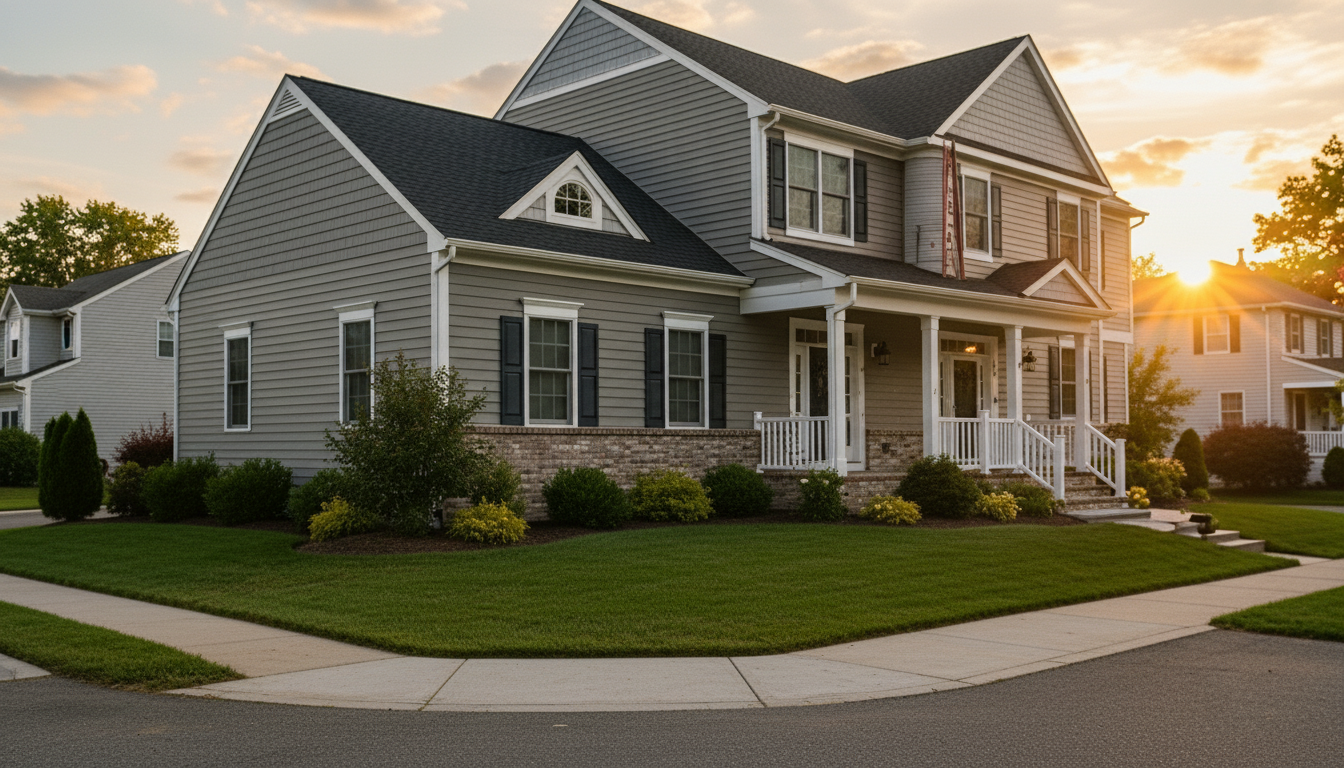
Commercial Siding: Everything Business Owners Need to Know
Your building’s exterior is one of the first things customers, tenants, and clients notice. Damaged, outdated, or poorly installed siding can negatively affect your property’s appearance, energy efficiency, and long-term durability. Investing in commercial siding is one of the smartest ways to protect your building while improving curb appeal and reducing maintenance costs.
Whether you own an office building, retail center, warehouse, apartment complex, medical facility, or industrial property, professionally installed commercial siding creates a durable weather barrier while enhancing your property’s value.
For over 40 years, JVW Roofing has helped commercial property owners protect their investments with high-quality exterior remodeling solutions. As a licensed contractor, we specialize in commercial siding installation, replacement, and repairs using premium materials built to withstand harsh weather conditions.
This guide explains everything you need to know before choosing commercial siding for your property.
What Is Commercial Siding?
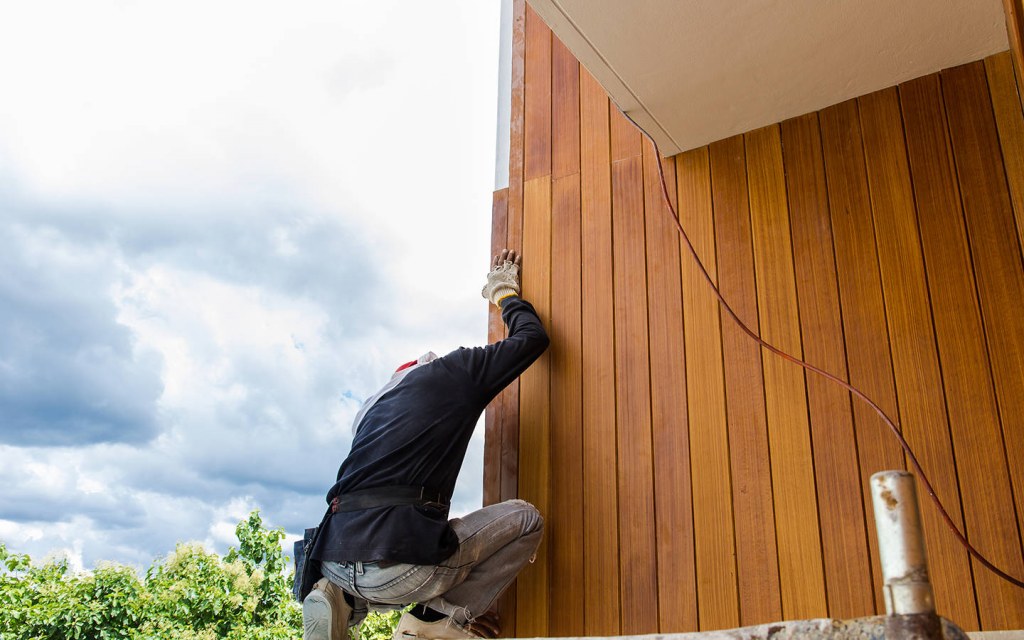
Commercial siding is an exterior cladding system specifically designed to protect commercial buildings from weather, moisture, UV exposure, and physical wear. Unlike residential siding, commercial siding is engineered for larger structures, higher traffic areas, and greater durability.
Commercial siding is commonly installed on:
- Office buildings
- Retail stores
- Shopping centers
- Restaurants
- Hotels
- Warehouses
- Schools
- Healthcare facilities
- Apartment buildings
- Industrial properties
Properly installed siding not only protects the building envelope but also enhances insulation and improves overall building performance.
Why Commercial Siding Is Important
Commercial siding serves much more than a decorative purpose.
It helps:
- Protect against rain and moisture
- Improve energy efficiency
- Increase property value
- Enhance curb appeal
- Reduce maintenance expenses
- Extend building lifespan
- Improve insulation
- Prevent structural damage
Without quality siding, buildings become vulnerable to water intrusion, mold, rot, and costly repairs.
Benefits of Commercial Siding
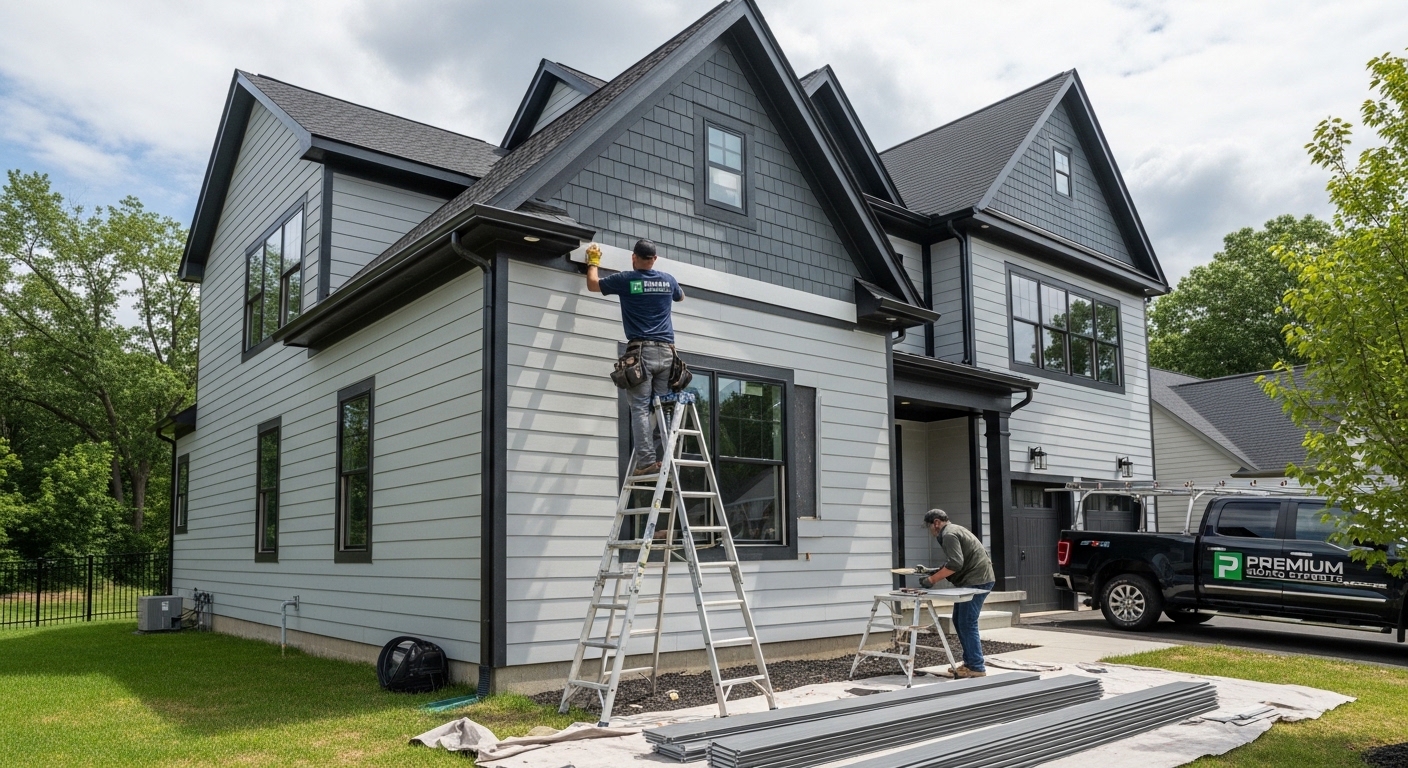
Improves Curb Appeal
A clean, modern exterior creates a positive impression on customers and visitors.
New commercial siding instantly refreshes your property’s appearance and helps maintain a professional image.
Enhances Energy Efficiency
Modern siding systems improve insulation and reduce heat transfer.
Combined with proper insulation, commercial siding helps:
- Lower heating costs
- Reduce cooling expenses
- Improve indoor comfort
- Increase HVAC efficiency
Energy-efficient buildings often experience lower operating costs year-round.
Protects Against Harsh Weather
Commercial siding acts as a protective barrier against:
- Heavy rain
- Snow
- Ice
- Wind
- UV rays
- Temperature fluctuations
Professional installation prevents moisture penetration that can damage framing and insulation.
Reduces Maintenance
High-quality siding materials require minimal upkeep compared to painted wood exteriors.
Many modern products resist:
- Rot
- Cracking
- Warping
- Fading
- Pest damage
Increases Property Value
Commercial exterior improvements often provide an excellent return on investment.
Updated siding improves:
- Building appearance
- Marketability
- Tenant appeal
- Resale value
Improves Building Durability
Commercial siding protects structural components from long-term environmental exposure.
This helps reduce repair costs while extending the life of your building.
Types of Commercial Siding
Selecting the right siding depends on your property’s design, budget, and performance requirements.
Fiber Cement Siding
Fiber cement is one of the most popular commercial siding materials.
Benefits include:
- Fire resistance
- Moisture resistance
- Long lifespan
- Low maintenance
- Excellent durability
Metal Siding
Metal siding offers exceptional strength and modern aesthetics.
Common materials include:
- Aluminum
- Steel
Metal siding is ideal for warehouses, industrial buildings, and commercial facilities.
Vinyl Commercial Siding
Vinyl remains a cost-effective option for many commercial properties.
Advantages include:
- Affordable installation
- Low maintenance
- Moisture resistance
- Numerous color options
Engineered Wood Siding
Engineered wood combines the appearance of natural wood with improved durability.
It offers:
- Better moisture resistance
- Lower maintenance
- Attractive appearance
Composite Siding
Composite siding combines several materials for enhanced performance.
It delivers:
- Excellent durability
- Fade resistance
- Weather protection
- Long-term value
Signs Your Commercial Siding Needs Replacement
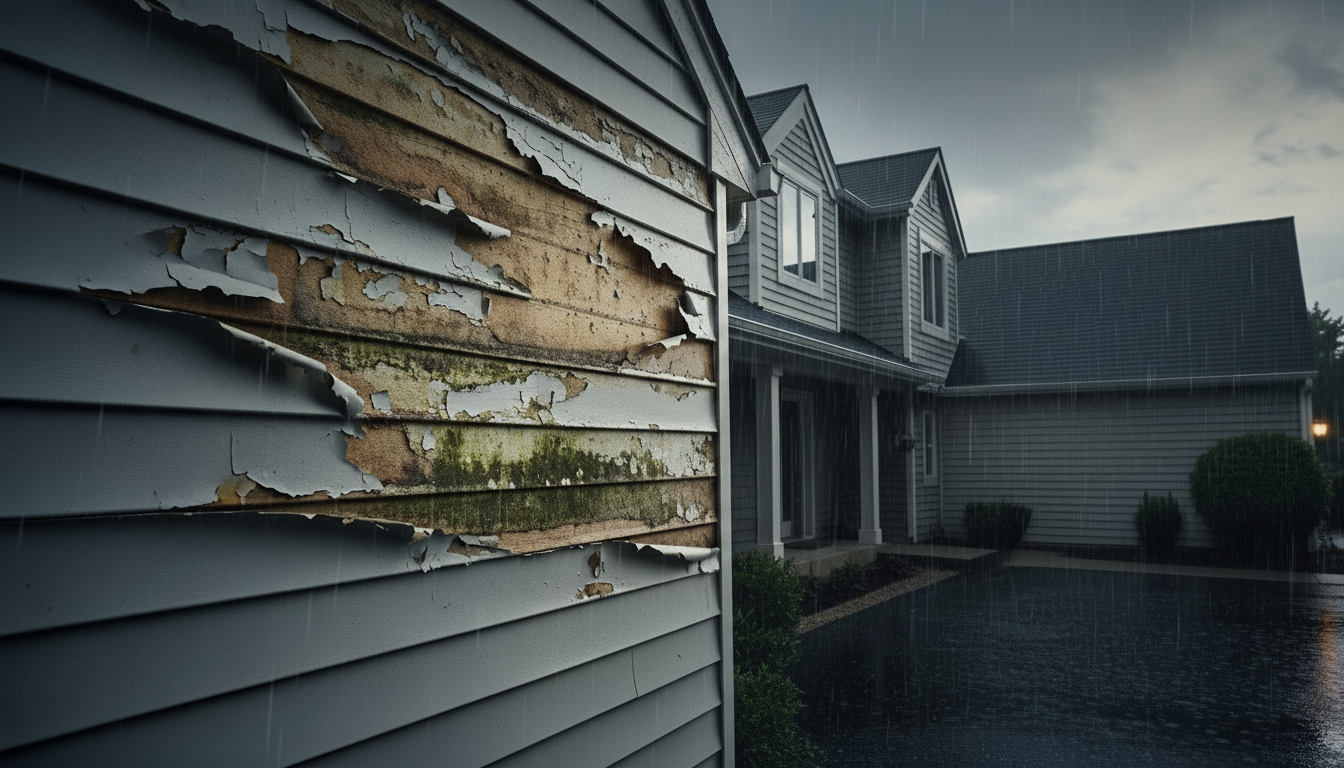
Business owners should consider replacement if they notice:
- Cracks
- Loose panels
- Warping
- Rot
- Water stains
- Mold growth
- Peeling paint
- Fading
- Rising energy bills
- Frequent repairs
Replacing damaged siding early helps prevent expensive structural damage.
Commercial Siding Installation Process
Professional installation follows a detailed process to ensure long-lasting performance.
Initial Property Inspection
Our team evaluates:
- Existing siding
- Structural framing
- Moisture damage
- Insulation
- Building condition
Accurate measurements ensure a proper fit.
Material Selection
Property owners choose siding based on:
- Budget
- Building design
- Maintenance preferences
- Energy goals
- Local climate
Our experts recommend the best option for each project.
Removing Old Siding
Existing siding is carefully removed while inspecting the building for hidden issues such as:
- Rot
- Mold
- Water damage
- Structural deterioration
Necessary repairs are completed before installation begins.
Installing Moisture Protection
A weather-resistant barrier is installed to prevent moisture intrusion.
Proper flashing is added around:
Installing New Commercial Siding
Each panel is installed according to manufacturer specifications.
Professional installation ensures:
- Proper spacing
- Secure fastening
- Weather resistance
- Long-term durability
Final Inspection
Before project completion, installers verify:
- Panel alignment
- Fasteners
- Sealants
- Trim installation
- Overall appearance
The worksite is cleaned before final walkthrough.
Factors That Affect Commercial Siding Costs
Several factors influence pricing.
These include:
Building Size
Larger buildings require more materials and labor.
Material Choice
Premium materials like fiber cement generally cost more than vinyl.
Building Height
Multi-story buildings often require specialized equipment and additional labor.
Existing Damage
Rot, water damage, or framing repairs increase project costs.
Custom Features
Decorative trim, specialty finishes, and architectural details affect overall pricing.
Choosing the Right Commercial Siding Material
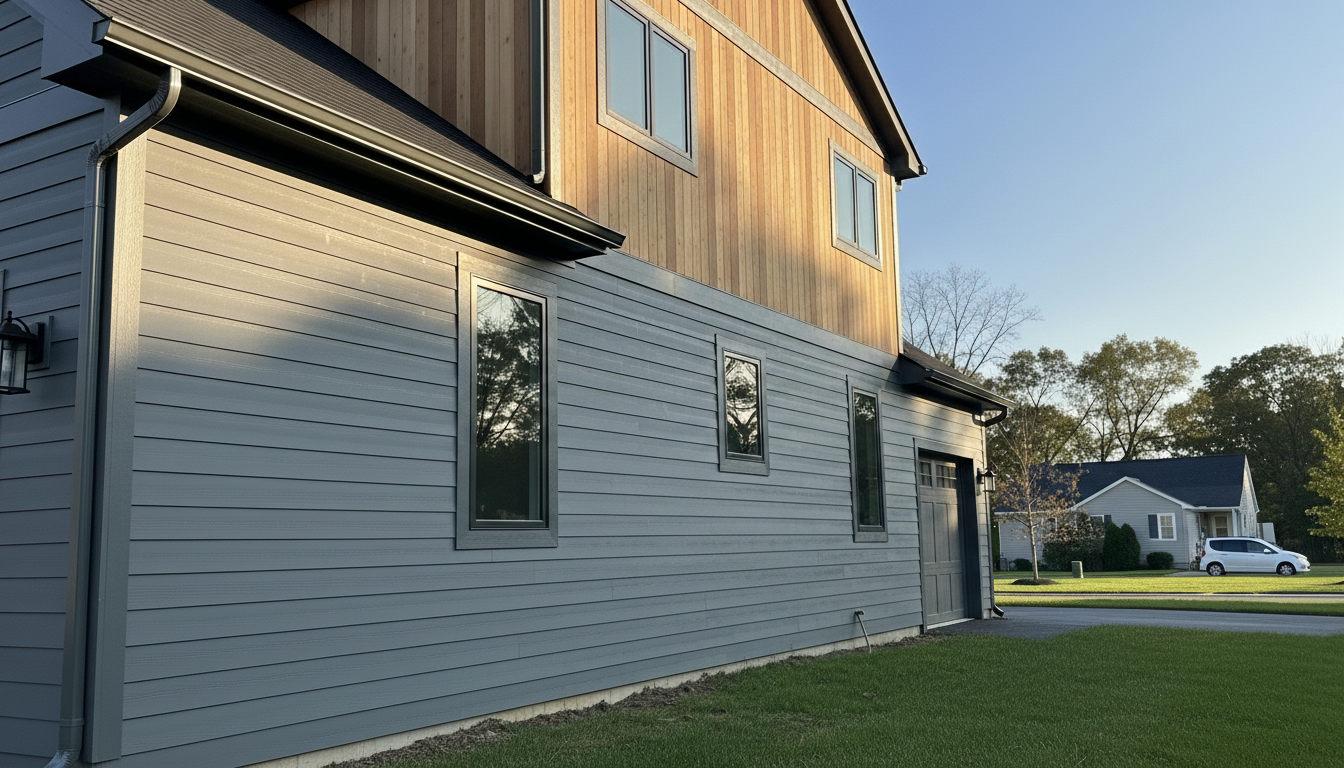
When comparing materials, consider:
- Durability
- Maintenance requirements
- Energy efficiency
- Appearance
- Weather resistance
- Budget
- Warranty
- Expected lifespan
Working with an experienced contractor helps ensure the right choice.
Commercial Siding Maintenance Tips
Routine maintenance extends siding life.
Recommended practices include:
- Wash siding annually
- Inspect caulking
- Check for cracks
- Remove debris
- Inspect after severe storms
- Repair damaged panels promptly
- Schedule professional inspections
Preventive maintenance reduces long-term repair costs.
Why Businesses Trust JVW Roofing
For more than 40 years, JVW Roofing has delivered exceptional craftsmanship and dependable service throughout the region.
Businesses choose us because we provide:
- Licensed contractor services
- Experienced installation professionals
- Premium siding products
- Honest recommendations
- Superior workmanship
- Reliable scheduling
- Competitive pricing
- Excellent customer support
We understand that every commercial building has unique needs, and we tailor every project to deliver lasting value and protection.
Frequently Asked Questions
What is the best siding for commercial buildings?
Fiber cement and metal siding are among the most durable and low-maintenance options for commercial properties.
How long does commercial siding last?
Depending on the material and maintenance, commercial siding can last between 20 and 50 years.
Does new siding improve energy efficiency?
Yes. Properly installed commercial siding helps reduce heat transfer, improving insulation and lowering energy costs.
Can damaged siding cause water leaks?
Absolutely. Cracked or improperly installed siding allows moisture to enter the building envelope, leading to mold, rot, and structural damage.
How often should commercial siding be inspected?
Professional inspections are recommended at least once a year and after major storms.
Conclusion
Commercial siding is more than an exterior finish—it’s an investment in your property’s protection, appearance, and long-term performance. Professionally installed siding enhances curb appeal, improves energy efficiency, protects against weather damage, and reduces maintenance costs.
Whether you’re replacing aging siding or upgrading your commercial building, choosing the right materials and an experienced contractor makes all the difference.
With over 40 years of experience, JVW Roofing provides expert commercial siding installation backed by premium materials, skilled craftsmanship, and outstanding customer service. Contact our team today for a FREE estimate and discover how quality commercial siding can transform and protect your business property.