
Roof tiles are known for their durability, classic appearance, and long lifespan. However, even the strongest tile roofing systems can become damaged over time due to weather exposure, aging, storms, or structural movement. When cracked, broken, or missing tiles begin affecting the roof’s performance, roof tile replacement becomes essential.
Timely roof tile replacement helps protect your home from leaks, structural damage, moisture problems, and energy loss. Whether you have clay, concrete, or slate roof tiles, replacing damaged sections can extend the lifespan of your roofing system and maintain your home’s curb appeal.
In this guide, you will learn everything about roof tile replacement, including common causes of tile damage, warning signs, replacement methods, costs, and maintenance tips.
What Is Roof Tile Replacement?
Roof tile replacement involves removing damaged or broken roof tiles and installing new matching tiles to restore the roof’s protection and appearance. In some cases, large sections of roofing underlayment or structural decking may also require repair.
Professional roof tile replacement services may include:
- Replacing cracked or broken tiles
- Repairing roof underlayment
- Flashing repair
- Roof leak repair
- Structural roof repairs
- Storm damage restoration
Replacing damaged roof tiles helps maintain waterproof protection and prevents additional roofing problems.
Common Causes of Roof Tile Damage
Roof tiles are highly durable, but several factors can lead to damage over time.
Storm Damage
Strong winds, hail, heavy rain, and falling debris can crack or dislodge roof tiles.
Aging Roofing Materials
Over time, roof tiles may weaken due to years of weather exposure.
Foot Traffic
Walking on tile roofs incorrectly can crack fragile roofing tiles.
Poor Installation
Improper installation may lead to loose or uneven tiles.
Structural Movement
House settling or roof shifting can place stress on roofing materials.
Water Damage
Moisture infiltration beneath damaged tiles can weaken the roofing system.
Freeze-Thaw Cycles
In colder climates, expanding and contracting moisture may crack roof tiles.
Signs You Need Roof Tile Replacement
Homeowners should inspect their roofs regularly for signs of tile damage.
Cracked or Broken Tiles
Visible cracks or broken sections are common indicators of roof deterioration.
Missing Roof Tiles
Missing tiles expose the roof underlayment to moisture and leaks.
Roof Leaks
Water stains on ceilings or attic spaces may indicate damaged roofing tiles.
Loose or Sliding Tiles
Tiles that shift out of place can compromise roof protection.
Mold or Moisture Problems
Water intrusion can create mold growth and insulation damage.
Sagging Roof Areas
Structural damage beneath tile roofing may cause roof sagging.
Debris in Gutters
Broken tile fragments in gutters often indicate roof damage.
Why Roof Tile Replacement Is Important
Replacing damaged roof tiles quickly helps prevent larger roofing problems.
Prevents Roof Leaks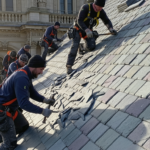
Broken tiles allow water to penetrate the roofing system.
Protects Structural Components
Moisture can damage roof decking, rafters, and insulation.
Extends Roof Lifespan
Timely repairs help tile roofs last for decades.
Improves Energy Efficiency
Proper roofing insulation helps regulate indoor temperatures.
Maintains Home Value
Well-maintained tile roofs improve curb appeal and resale value.
Prevents Mold Growth
Stopping leaks early reduces moisture-related mold problems.
Types of Roof Tiles
Different roofing materials require different roof replacement techniques.
Clay Roof Tiles
Clay tiles are popular for their classic appearance and long lifespan.
Benefits:
- Excellent durability
- Fire-resistant
- Energy-efficient
- Attractive appearance
Concrete Roof Tiles
Concrete tiles are strong, affordable, and available in many styles.
Benefits:
- Durable
- Weather-resistant
- Cost-effective
Slate Roof Tiles
Slate roofs provide a premium appearance and exceptional longevity.
Benefits:
- Natural beauty
- Extremely durable
- Fire-resistant
Composite Roof Tiles
Synthetic tiles mimic traditional materials while offering lightweight performance.
Benefits:
- Lightweight
- Low-maintenance
- Impact-resistant
Roof Tile Replacement Process
Professional replacement ensures proper installation and waterproofing.
Roof Inspection
Roofing contractors inspect the extent of tile and underlayment damage.
Removal of Damaged Tiles
Broken or loose tiles are carefully removed without damaging surrounding materials.
Underlayment Inspection
The waterproof underlayment beneath the tiles is inspected for moisture damage.
Flashing Repair
Damaged flashing around chimneys, skylights, and vents is repaired if necessary.
New Tile Installation
Replacement tiles are installed and secured properly.
Roof Sealing and Inspection
The roof is checked to ensure proper alignment and waterproof protection.
Roof Tile Replacement Costs
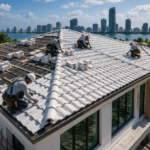
Replacement costs vary depending on roofing material and project size.
Factors That Affect Cost
- Roof size
- Tile material
- Roof slope
- Accessibility
- Extent of damage
- Underlayment repairs
- Labor costs
Average Roof Tile Replacement Costs
| Repair Type | Estimated Cost |
|---|---|
| Minor Tile Replacement | $150–$600 |
| Multiple Tile Repairs | $500–$2,000 |
| Underlayment Repair | $1,000–$3,000 |
| Partial Roof Replacement | $3,000–$10,000+ |
| Full Tile Roof Replacement | $10,000–$40,000+ |
Premium materials such as slate may cost significantly more.
Roof Tile Replacement vs Roof Repair
Some roofing issues can be repaired, while others require larger replacement projects.
When Repair Is Enough
Repair may be suitable when:
- Damage is limited to a small area
- The roof is relatively new
- Underlayment remains intact
- Structural components are undamaged
When Full Replacement Is Necessary
Replacement may be recommended if:
- The roof is very old
- Damage is widespread
- Leaks occur repeatedly
- Structural damage exists
- Underlayment has deteriorated
A professional roof inspection can determine the best solution.
Benefits of Tile Roofing
Tile roofing remains one of the most durable roofing options available.
Long Lifespan
Tile roofs can last 50 years or more with proper maintenance.
Excellent Weather Resistance
Tile roofing performs well in hot climates and severe weather conditions.
Fire Resistance
Clay, concrete, and slate tiles are naturally fire-resistant.
Energy Efficiency
Tile roofs improve airflow and help regulate indoor temperatures.
Low Maintenance
Quality tile roofing requires relatively little maintenance compared to other materials.
Attractive Appearance
Tile roofing enhances architectural beauty and property value.
How to Maintain a Tile Roof
Routine maintenance helps maximize roof lifespan and reduce repair costs.
Schedule Roof Inspections
Professional inspections help identify cracked or loose tiles early.
Clean Gutters Regularly
Proper drainage prevents water buildup and roof damage.
Remove Roof Debris
Leaves and branches can trap moisture on the roof surface.
Avoid Walking on Tiles
Improper foot traffic may crack fragile roofing materials.
Repair Minor Damage Quickly
Replacing broken tiles early prevents larger roofing problems.
Check Flashing and Underlayment
Inspect vulnerable roof areas after storms or heavy rainfall.
Choosing the Right Roofing Contractor
Hiring an experienced contractor ensures safe and professional roof tile replacement.
Verify Licensing and Insurance
Always choose licensed and insured roofing professionals.
Check Customer Reviews
Online reviews help identify reputable contractors.
Ask About Tile Roofing Experience
Choose contractors experienced with your specific tile material.
Request a Detailed Estimate
Written estimates should outline labor, materials, and project timelines.
Review Warranty Coverage
Reliable roofing companies provide warranties on labor and materials.
Why Professional Tile Roof Replacement Matters
Tile roofing installation requires specialized skills and safety procedures.
Benefits of Professional Installation
- Proper waterproofing
- Accurate tile matching
- Improved durability
- Better roof ventilation
- Warranty protection
- Reduced future repair costs
Improper tile installation can lead to leaks, shifting tiles, and structural damage.
Final Thoughts
Roof tile replacement is essential for protecting your home from leaks, structural damage, and weather-related roofing issues. Cracked or missing roof tiles may seem minor at first, but they can quickly lead to serious water intrusion and costly repairs if ignored.
Routine inspections, proper maintenance, and timely tile replacement help extend the lifespan of your roof while improving energy efficiency and curb appeal. Whether you have clay, concrete, slate, or composite roofing, working with an experienced roofing contractor ensures high-quality results and long-term protection.
If you notice damaged tiles, roof leaks, or visible signs of wear, scheduling professional roof tile replacement can help keep your home safe, durable, and weather-resistant for many years.