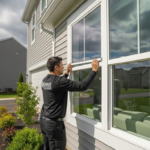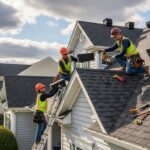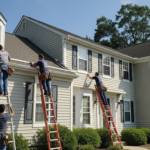
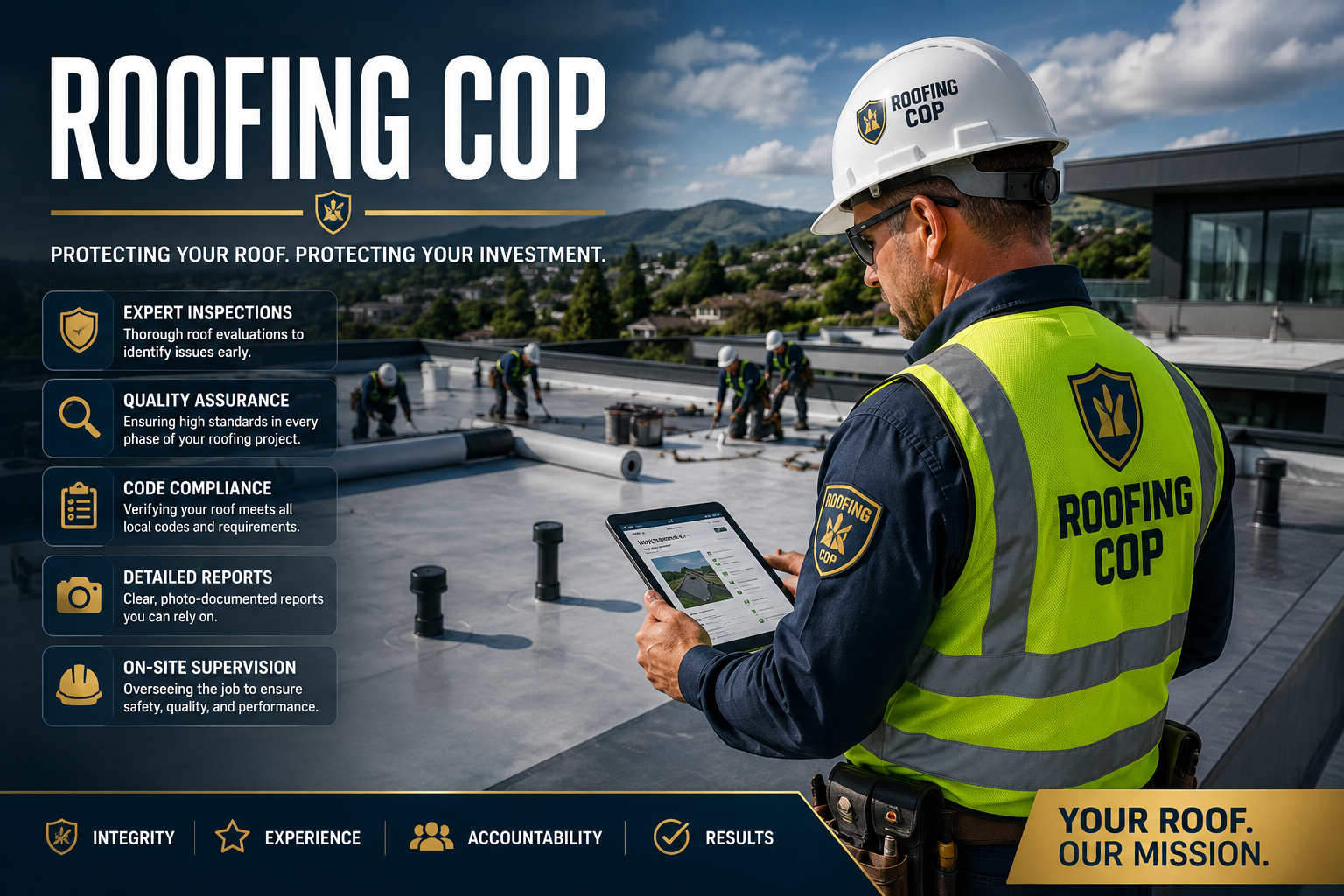
A roof is one of the most important parts of any home or commercial building. It protects the structure from rain, wind, storms, heat, and other environmental elements. However, many homeowners do not notice roofing problems until leaks or major damage appear. That is where a Roofing Cop becomes essential.
A Roofing Cop is a roofing professional who carefully inspects, monitors, and protects roofing systems to identify problems before they become expensive repairs. From storm damage inspections to leak detection and preventive maintenance, Roofing Cop services help property owners maintain safe and durable roofs.
In this guide, you will learn what a Roofing Cop does, why roof inspections matter, common roofing issues, inspection processes, repair solutions, and tips for maintaining a strong roofing system.
What Is a Roofing Cop?
A Roofing Cop is a roofing specialist who performs detailed roof inspections, damage assessments, and maintenance evaluations. The term is commonly used to describe professionals who carefully “police” roofing systems to ensure they remain safe, secure, and fully functional.
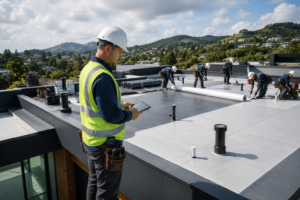
Roofing Cop services often include:
- Roof inspections
- Storm damage assessments
- Leak detection
- Roof maintenance
- Safety evaluations
- Roof repair recommendations
- Insurance inspection support
These professionals help identify hidden roofing issues before they lead to major structural damage.
Why Roofing Inspections Are Important
Routine roof inspections are essential for protecting residential and commercial properties.
Prevents Costly Repairs
Small roofing problems can quickly turn into expensive structural damage if ignored.
Extends Roof Lifespan
Regular maintenance and inspections help roofing systems last longer.
Detects Hidden Damage
Roofing problems are not always visible from the ground. Professional inspections identify hidden leaks and weak areas.
Improves Safety
Damaged roofs can become dangerous during storms or severe weather.
Supports Insurance Claims
Detailed inspection reports help homeowners document storm damage for insurance purposes.
Maintains Property Value
A well-maintained roof improves curb appeal and overall property value.
Common Roofing Problems Identified by a Roofing Cop
Professional roof inspectors are trained to identify a wide range of roofing issues.
Roof Leaks
Leaks are one of the most common roofing problems and can lead to water damage and mold growth.
Missing or Damaged Shingles
Storms, aging, and wind can loosen or remove shingles.
Flashing Damage
Damaged flashing around chimneys, vents, and skylights often causes water intrusion.
Ponding Water
Flat roofs may develop standing water that weakens roofing materials over time.
Sagging Roof Areas
Structural weakening can create dangerous sagging sections.
Mold and Moisture Damage
Poor ventilation and leaks may lead to mold growth inside the roof structure.
Gutter Problems
Clogged or damaged gutters can affect roof drainage and increase leak risks.
Roofing Cop Inspection Process
A professional roofing inspection involves several important steps.
Exterior Roof Inspection
The inspector examines shingles, flashing, vents, skylights, gutters, and drainage systems.
Leak Detection
Roofing professionals identify active and hidden water intrusion areas.
Structural Evaluation
The roof deck, supports, and framing are checked for signs of weakness or damage.
Interior Inspection
Ceilings, attic spaces, insulation, and walls are inspected for moisture or mold.
Storm Damage Assessment
Inspectors look for wind, hail, and debris damage after severe weather.
Detailed Reporting
A Roofing Cop provides a detailed report outlining damage, repair recommendations, and maintenance needs.
Roofing Cop Services for Residential Properties
Homeowners benefit from regular roofing inspections and maintenance services.
Roof Maintenance
Routine maintenance helps prevent leaks and extends roof lifespan.
Emergency Roof Inspections
Roofing professionals inspect roofs immediately after storms or severe weather.
Roof Leak Repair Recommendations
Inspectors identify the source of leaks and recommend proper repair solutions.
Roof Replacement Assessments
Older roofs may require replacement instead of repeated repairs.
Preventive Roofing Services
Preventive maintenance helps homeowners avoid major roofing emergencies.
Commercial Roofing Cop Services
Commercial roofing systems require specialized inspections and maintenance.
Flat Roof Inspections
Commercial flat roofs often experience ponding water and membrane damage.
Roof Safety Evaluations
Inspectors ensure roofing systems meet safety standards.
Industrial Roofing Assessments
Large commercial buildings require detailed structural inspections.
Maintenance Planning
Regular inspections help businesses reduce long-term repair costs.
Storm Damage Documentation
Commercial property owners often need inspection reports for insurance claims.
Roofing Cop and Storm Damage Inspections
Storms are one of the leading causes of roof damage.
Wind Damage
Strong winds can lift shingles, loosen flashing, and expose roof decking.
Hail Damage
Hail can crack shingles and damage roofing membranes.
Water Intrusion
Storm damage often allows moisture to enter the roof system.
Fallen Tree Damage
Branches and debris can puncture roofing materials.
Emergency Tarping
Roofing professionals may install temporary protection to prevent further damage.
After severe weather, a Roofing Cop inspection helps identify hidden storm damage quickly.
Roofing Cop Repair Recommendations
Roof inspectors often recommend repairs based on the condition of the roofing system.
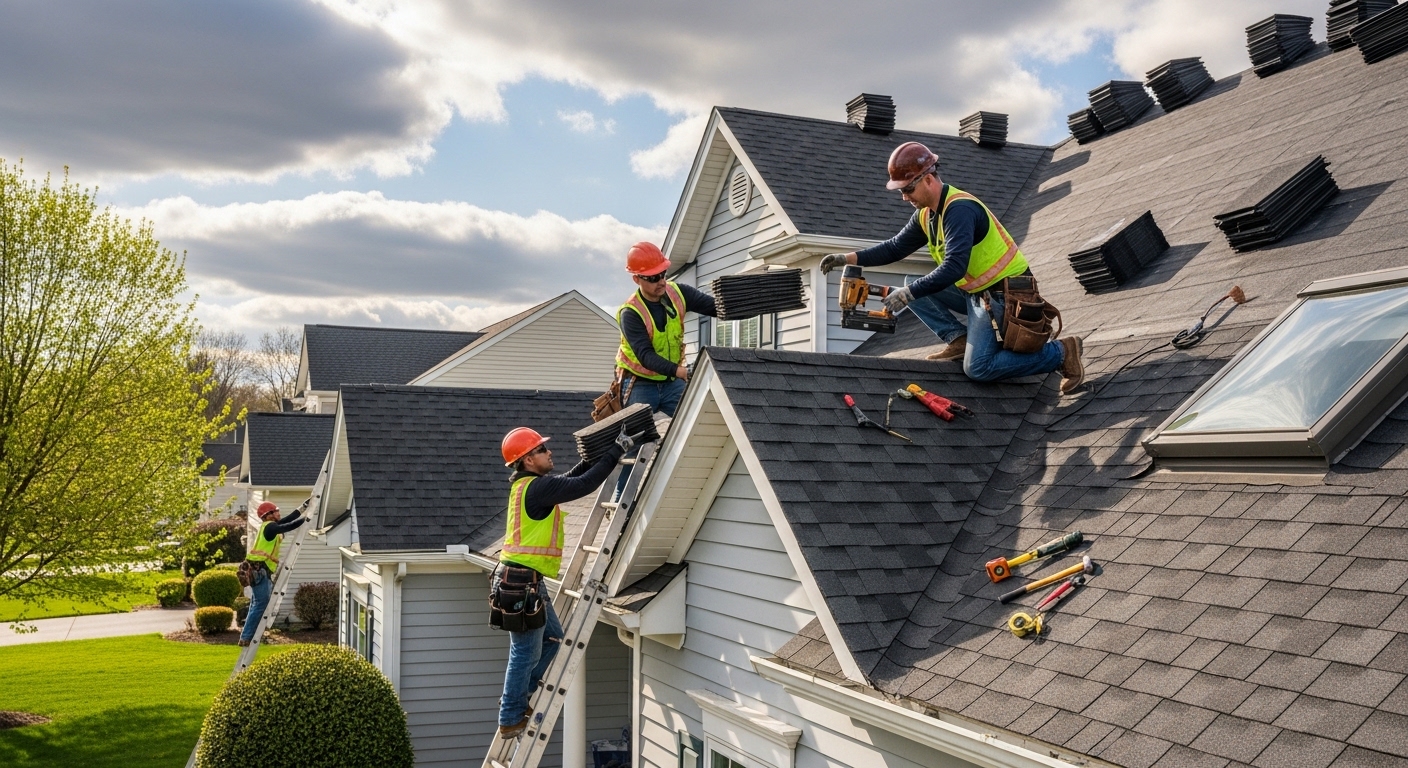
Shingle Replacement
Damaged shingles are replaced to restore waterproof protection.
Flashing Repair
Loose or damaged flashing is repaired to prevent leaks.
Gutter Repair
Proper drainage is essential for roof performance.
Roof Sealant Application
Sealants help improve waterproofing around vulnerable areas.
Structural Reinforcement
Weak roof sections may require reinforcement or repair.
Roof Replacement
Severely damaged or aging roofs may need full replacement.
Roofing Materials Commonly Inspected
Roofing professionals inspect many different roofing systems.
Asphalt Shingle Roofs
These are the most common residential roofing systems.
Metal Roofs
Metal roofing provides durability and weather resistance.
Flat Roofing Systems
Commercial properties often use TPO, EPDM, or modified bitumen roofing.
Tile Roofs
Clay and concrete tiles require inspection for cracks and displacement.
Slate Roofs
Slate roofing offers durability but may crack over time.
Wood Shake Roofs
Wood roofing requires regular maintenance to prevent moisture damage.
How Often Should Roof Inspections Be Scheduled?
Routine roof inspections are important for long-term protection.
Recommended Inspection Frequency
- Once or twice per year
- After major storms
- Before buying or selling a property
- After roof installation or repairs
Regular inspections help identify problems early and reduce repair costs.
Benefits of Hiring a Professional Roofing Cop
Professional roofing services provide several important advantages.
Accurate Damage Detection
Experts identify hidden roofing problems that homeowners may overlook.
Improved Roof Lifespan
Routine inspections and maintenance help roofs last longer.
Better Energy Efficiency
Well-maintained roofs improve insulation and ventilation.
Reduced Emergency Repairs
Preventive maintenance lowers the risk of unexpected roofing failures.
Professional Documentation
Detailed reports support insurance claims and property evaluations.
Choosing the Right Roofing Cop Service
Hiring an experienced roofing professional is essential for quality inspections.
Verify Licensing and Insurance
Always hire licensed and insured roofing contractors.
Check Customer Reviews
Reviews and testimonials help identify reliable roofing companies.
Ask About Experience
Choose inspectors experienced with your specific roofing material.
Request Detailed Inspection Reports
Professional reports should clearly outline findings and recommendations.
Compare Estimates
Obtain multiple quotes before selecting a roofing contractor.
Tips to Maintain a Healthy Roof
Preventive maintenance helps reduce long-term roofing problems.
Clean Gutters Regularly
Proper drainage prevents water buildup and leaks.
Trim Overhanging Trees
Branches can damage roofing materials during storms.
Address Minor Repairs Quickly
Small roofing issues can become major problems if ignored.
Check for Moisture Damage
Inspect ceilings and attic spaces for leaks or mold.
Schedule Routine Roof Inspections
Professional inspections help maintain roof performance year-round.
Final Thoughts
A Roofing Cop plays an important role in protecting homes and commercial buildings from roofing damage, leaks, and costly structural issues. Routine roof inspections help identify hidden problems early, extend roof lifespan, and improve overall property safety.
Whether you need storm damage inspections, leak detection, preventive maintenance, or roof replacement guidance, professional roofing inspection services provide long-term value and peace of mind.
Regular maintenance, quality repairs, and timely inspections are the best ways to keep your roofing system strong, weather-resistant, and reliable for years to come.