Flat roofs are a popular roofing option for residential and commercial buildings because of their modern appearance, space efficiency, and affordability. However, like all roofing systems, flat roofs eventually wear out and require replacement. When leaks, ponding water, cracks, or structural damage become severe, flat roof replacement becomes the best long-term solution.
Replacing a flat roof improves energy efficiency, prevents water damage, enhances property value, and protects the building from future roofing problems. Whether you own a home, office, warehouse, or commercial property, understanding the flat roof replacement process can help you make informed decisions.
In this guide, you will learn everything about flat roof replacement, including signs you need a new roof, roofing materials, replacement costs, installation methods, and maintenance tips.
What Is Flat Roof Replacement?
Flat roof replacement involves removing an old or damaged flat roofing system and installing a new one. Unlike temporary repairs, replacement provides a complete roofing upgrade that restores durability, waterproofing, and insulation.
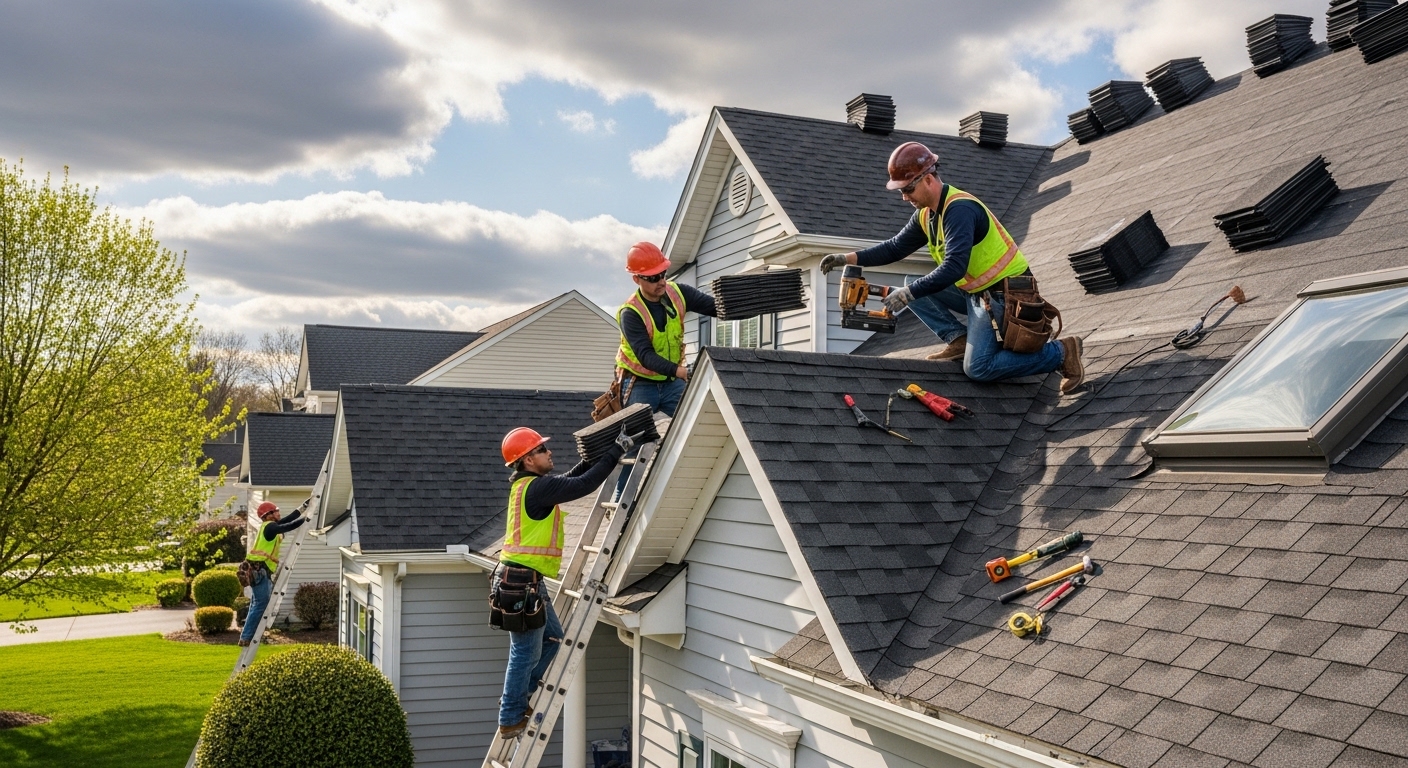
A professional flat roof replacement may include:
- Removing old roofing materials
- Repairing damaged roof decking
- Installing insulation
- Applying waterproof membranes
- Replacing flashing and drainage systems
- Improving roof ventilation
Modern flat roofing systems are designed to provide long-lasting protection and energy efficiency.
Signs You Need Flat Roof Replacement
Flat roofs often show warning signs before major failure occurs. Identifying these problems early can help prevent costly interior damage.
Frequent Roof Leaks
Repeated leaks are one of the clearest signs your flat roof may need replacement.
Ponding Water
Standing water that remains on the roof for more than 48 hours can weaken roofing materials and increase leak risks.
Cracks and Blisters
Visible cracks, bubbling, or blistering indicate aging or moisture trapped beneath the roofing membrane.
Sagging Roof Areas
Sagging sections may signal structural damage or water saturation beneath the roof surface.
Mold or Moisture Damage
Water intrusion can lead to mold growth and damage insulation or interior ceilings.
Rising Energy Bills
Poor insulation and damaged roofing materials can reduce energy efficiency.
Roof Age
Most flat roofs last between 15 and 30 years depending on the material and maintenance history.
Common Causes of Flat Roof Damage
Several factors contribute to flat roof deterioration over time.
Weather Exposure
Constant exposure to sunlight, rain, snow, and temperature changes weakens roofing materials.
Poor Drainage
Flat roofs rely on proper drainage systems to prevent standing water.
UV Radiation
Sun exposure can dry out roofing membranes and cause cracking.
Storm Damage
High winds, hail, and debris can puncture or loosen roofing materials.
Improper Installation
Poor workmanship may shorten the lifespan of the roof.
Lack of Maintenance
Neglected roofs often develop leaks and structural issues faster.
Types of Flat Roofing Materials
Choosing the right roofing material is one of the most important decisions during flat roof replacement.
EPDM Roofing
EPDM is a synthetic rubber roofing membrane known for durability and affordability.
Benefits:
- Long lifespan
- Weather-resistant
- Low maintenance
- Cost-effective
TPO Roofing
TPO roofing is a reflective single-ply membrane commonly used for energy efficiency.
Benefits:
- Heat reflective
- UV-resistant
- Lightweight
- Environmentally friendly
PVC Roofing
PVC roofing is highly durable and resistant to chemicals, moisture, and fire.
Benefits:
- Excellent waterproofing
- Strong seams
- Long-lasting performance
Modified Bitumen Roofing
This asphalt-based roofing system offers flexibility and durability.
Benefits:
- Good weather resistance
- Strong waterproofing
- Multiple installation options
Built-Up Roofing (BUR)
BUR systems use layers of asphalt and reinforcing fabrics.
Benefits:
- Durable surface
- Excellent waterproofing
- Strong protection against foot traffic
Flat Roof Replacement Process
Professional roof replacement involves several important steps.
Roof Inspection
Contractors inspect the existing roof to evaluate damage
drainage, and structural conditions.
Removal of Old Roofing
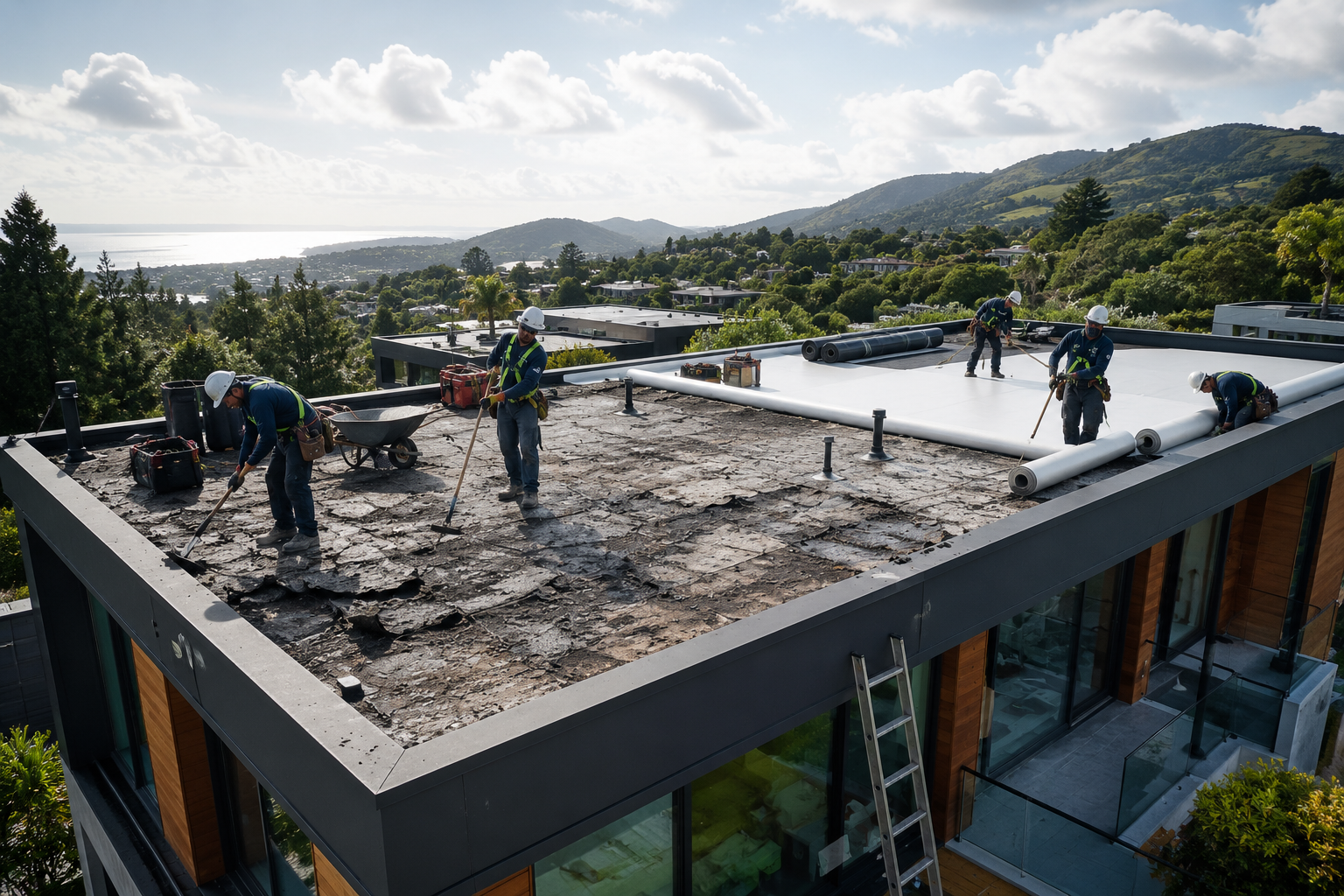
The damaged roofing material is removed to expose the roof deck.
Deck Repair
Water-damaged or weakened decking is repaired or replaced.
Insulation Installation
New insulation improves energy efficiency and indoor comfort.
Membrane Installation
The selected roofing material is installed using specialized techniques.
Flashing and Drainage Upgrades
Flashing, gutters, drains, and edge systems are repaired or replaced.
Final Inspection
The completed roof is inspected for quality and waterproof performance.
Average Flat Roof Replacement Costs
Replacement costs vary depending on roof size, material, and labor requirements.
Factors That Affect Cost
- Roof size
- Roofing material
- Insulation upgrades
- Structural repairs
- Roof accessibility
- Labor costs
- Drainage improvements
Average Replacement Costs
| Roofing Material | Estimated Cost Per Square Foot |
|---|---|
| EPDM Roofing | $4–$8 |
| TPO Roofing | $5–$10 |
| PVC Roofing | $6–$12 |
| Modified Bitumen | $4–$9 |
| Built-Up Roofing | $5–$10 |
Large commercial flat roofs may cost significantly more depending on complexity.
Benefits of Flat Roof Replacement
Replacing an aging flat roof offers several long-term advantages.
Improved Waterproofing
Modern roofing systems provide stronger leak protection.
Better Energy Efficiency
Reflective roofing materials help reduce heating and cooling costs.
Increased Property Value
A new roof improves curb appeal and resale value.
Reduced Maintenance Costs
New roofing systems require fewer repairs and maintenance services.
Enhanced Durability
Modern flat roofs are designed to withstand harsh weather conditions.
Improved Drainage
Upgraded drainage systems help prevent standing water problems.
Flat Roof Replacement vs Roof Repair
Some homeowners wonder whether repair or replacement is the better option.
When Repair Is Enough
Roof repair may be suitable if:
- Damage is localized
- The roof is relatively new
- Leaks are minor
- Structural components remain intact
When Replacement Is Necessary
Replacement is often the better choice if:
- The roof has widespread damage
- Leaks are recurring
- Ponding water is severe
- Roofing materials are aging
- Structural damage exists
A professional roof inspection can determine the most cost-effective solution.
How to Maintain a Flat Roof
Regular maintenance can extend the lifespan of your new roof.
Schedule Roof Inspections
Professional inspections help identify small issues before they worsen.
Keep Drains Clear
Clean drains and gutters regularly to prevent standing water.
Remove Debris
Leaves, branches, and dirt can trap moisture on the roof surface.
Address Leaks Quickly
Minor leaks should be repaired immediately to prevent structural damage.
Limit Roof Traffic
Excessive foot traffic may damage roofing membranes.
Check Flashing and Seals
Inspect roof edges, vents, and flashing regularly.
Choosing the Right Flat Roofing Contractor
Hiring an experienced contractor is essential for quality installation.
Verify Licensing and Insurance
Choose licensed and insured roofing professionals.
Check Reviews and References
Customer reviews help identify reputable contractors.
Ask About Experience
Choose roofers experienced with flat roofing systems.
Request a Detailed Estimate
A written estimate should outline materials, labor, and project timelines.
Review Warranty Coverage
Reliable roofing companies offer warranties on both labor and materials.
Why Professional Installation Matters
Flat roof installation requires specialized skills and equipment.
Benefits of Professional Installation
- Proper waterproofing
- Improved drainage design
- Long-lasting performance
- Better insulation
- Warranty protection
- Reduced future repair costs
Improper installation can lead to leaks, poor drainage, and premature roof failure.
Final Thoughts
Flat roof replacement is an important investment that improves your property’s protection, energy efficiency, and long-term value. Aging flat roofs can develop leaks, ponding water, and structural issues that worsen over time if not addressed properly.
Choosing high-quality materials, maintaining proper drainage, and hiring experienced roofing professionals are essential for achieving a durable and reliable roofing system. Regular maintenance and inspections can also help maximize the lifespan of your new flat roof.
If your roof is experiencing recurring leaks, visible damage, or aging problems, it may be time to consider a professional flat roof replacement to protect your property for years to come.