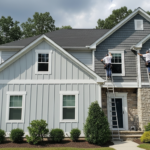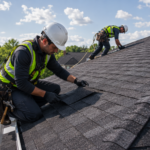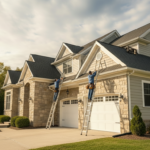
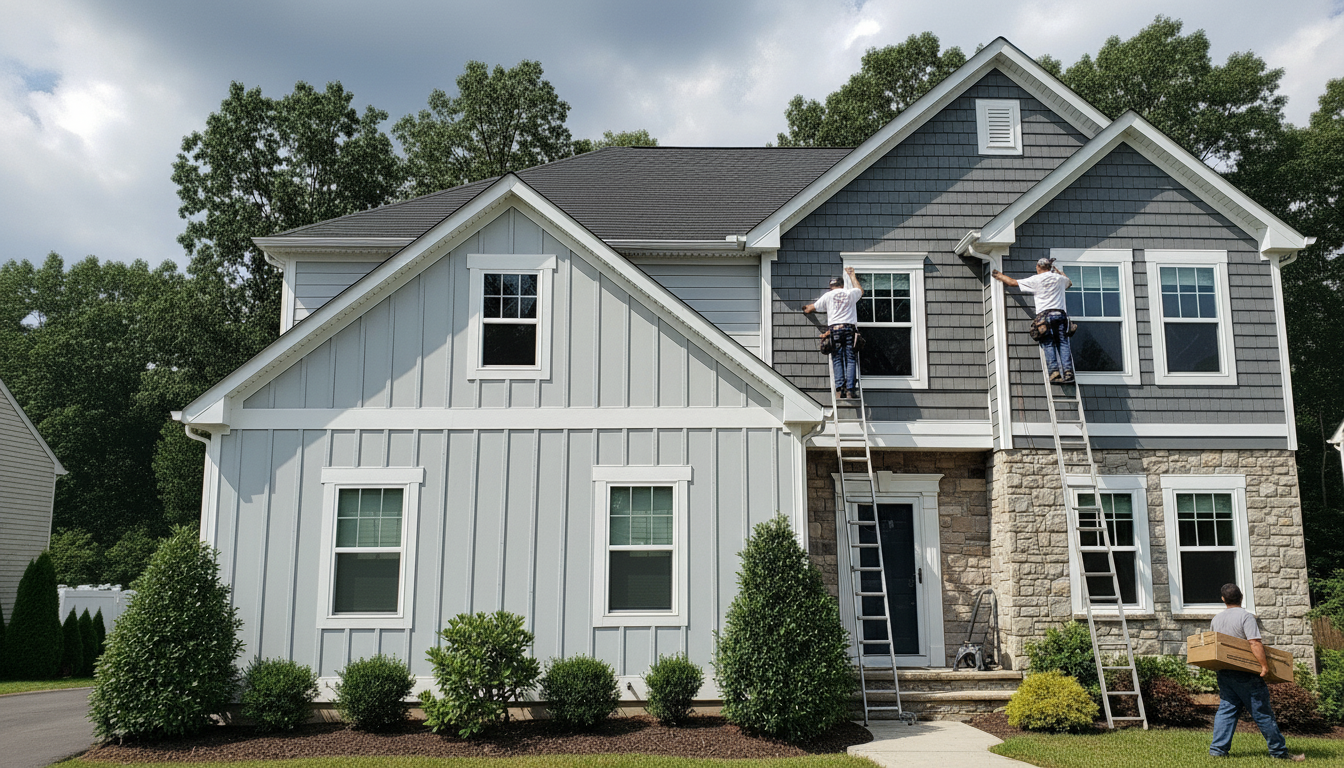
Loose siding is more than just a cosmetic problem. Damaged or detached siding can expose your home to moisture, pests, mold, and structural damage. If ignored, even a small section of loose siding can lead to expensive exterior repairs over time.
Proper loose siding repair helps maintain your home’s appearance, energy efficiency, and weather protection. Whether your siding has been damaged by storms, aging, moisture, or poor installation, addressing the issue quickly is essential.
In this guide, you will learn the common causes of loose siding, warning signs, repair methods, costs, and preventive maintenance tips to keep your home’s exterior in excellent condition.
What Is Loose Siding?
Loose siding occurs when exterior siding panels separate from the wall surface or become partially detached. This can happen with different siding materials, including:
- Vinyl siding
- Wood siding
- Fiber cement siding
- Aluminum siding
- Composite siding
Loose panels may flap during windy weather, create visible gaps, or allow water to penetrate behind the Siding.
Why Loose Siding Repair Is Important
Loose Siding Repair quickly helps protect your home from serious damage.
Prevents Water Damage
Gaps behind siding allow rainwater and moisture to enter the wall system. Over time, this can lead to rot, mold, and structural deterioration.
Improves Energy Efficiency
Loose siding creates air leaks that reduce insulation performance and increase heating and cooling costs.
Protects Against Pests
Detached siding can create entry points for insects, rodents, and other pests.
Maintains Curb Appeal
Damaged siding affects the appearance of your property and may reduce home value.
Prevents Further Damage
Loose siding panels can worsen during storms or high winds, leading to larger repair costs.
Common Causes of Loose Siding
Understanding the causes of siding damage can help homeowners prevent future problems.
Strong Winds and Storms
Heavy winds can loosen siding panels or pull them away from the wall entirely. Storm damage is one of the leading causes of Loose Siding Repair.
Poor Installation
Improperly nailed or installed siding may loosen over time. Incorrect spacing can also cause panels to warp or detach.
Moisture Damage
Water infiltration behind siding can weaken fasteners and damage the wall structure.
Aging Materials
Older siding naturally becomes weaker and more brittle with age, making it more vulnerable to damage.
Temperature Changes
Extreme heat and cold can cause siding materials to expand and contract repeatedly, loosening fasteners over time.
Impact Damage
Fallen branches, hail, lawn equipment, or accidental impacts can crack or dislodge siding panels.
Signs You Need Loose Siding Repair
Identifying siding problems early can help prevent costly loose Siding Repair.
Visible Gaps or Separation
Panels that pull away from the wall are a clear sign of loose siding.
Rattling Noises During Wind
Loose siding often makes noise during windy conditions.
Warped or Bent Panels
Warping may indicate moisture damage or improper installation.
Increased Energy Bills
Drafts caused by loose siding can reduce energy efficiency.
Water Stains Inside the Home
Moisture intrusion from damaged siding may create stains on interior walls.
Mold or Mildew Growth
Excess moisture behind siding can encourage mold development.
How Loose Siding Repair Is Performed
Professional siding contractors use several methods to loose Siding Repair depending on the extent of the damage.
Inspection and Damage Assessment
The contractor first checks the siding, fasteners, moisture barriers, and wall structure for hidden issues.
Reattaching Loose Panels
Loose siding sections are secured using proper fasteners and installation techniques.
Replacing Damaged Sections
Cracked, warped, or severely damaged panels may need replacement.
Repairing Underlying Moisture Damage
If water has damaged the wall sheathing or insulation, repairs are completed before reinstalling siding.
Sealing Gaps and Joints
Sealants and weatherproof barriers help prevent future water infiltration.
Matching Existing Siding
Professional contractors try to match the repaired siding with the home’s current color and style.
DIY vs Professional Loose Siding Repair
Some minor siding issues can be repaired by homeowners, while major damage requires professional expertise.
DIY Siding Repair
Small repairs may include:
- Reattaching a loose vinyl panel
- Replacing a single damaged piece
- Tightening visible fasteners
However, DIY repairs should only be attempted if the damage is minor and safe to access.
Professional Siding Repair
Professional contractors are recommended for:
- Large damaged areas
- Storm-related siding damage
- Water infiltration issues
- Structural concerns
- Multi-story homes
Experts have the tools and experience needed for long-lasting repairs.
Loose Siding Repair Costs
The cost of siding repair depends on several factors, including siding type, labor, and damage severity.
Factors That Affect Cost
-
- Type of siding material
- Size of damaged area
 Height of the home
- Labor costs
- Moisture or structural damage
- Replacement panel availability
Average Siding Repair Costs
| Repair Type | Estimated Cost |
|---|---|
| Minor Vinyl Siding Repair | $150–$400 |
| Single Panel Replacement | $100–$300 |
| Wood Siding Repair | $300–$1,000 |
| Fiber Cement Repair | $400–$1,200 |
| Large Storm Damage Repairs | $1,000–$5,000+ |
Extensive damage may require partial or complete siding replacement.
Best Materials for Durable Siding Repairs
Choosing quality materials helps extend the life of your siding system.
Vinyl Siding
Vinyl siding is affordable, low-maintenance, and resistant to moisture.
Fiber Cement Siding
Fiber cement offers excellent durability, fire resistance, and weather protection.
Engineered Wood Siding
Engineered wood provides the appearance of natural wood with improved durability.
Aluminum Siding
Aluminum siding is lightweight and resistant to rust and insects.
Composite Siding
Composite materials offer strong weather resistance and long-lasting performance.
How to Prevent Loose Siding
Regular maintenance helps reduce the risk of siding damage.
Schedule Exterior Inspections
Inspect siding annually for cracks, gaps, or loose panels.
Clean Gutters Regularly
Overflowing gutters can direct water behind siding panels.
Trim Nearby Trees
Tree branches can scrape or impact siding during storms.
Address Moisture Problems Quickly
Fix leaks and drainage issues before they damage the siding system.
Avoid Pressure Washing at High Force
Excessive pressure can loosen siding and force water behind panels.
Repair Minor Damage Immediately
Small siding problems can become larger issues if ignored.
When to Replace Instead of Repair
In some cases, replacement may be more cost-effective than repeated repairs.
Consider Replacement If:
- The siding is very old
- Large sections are damaged
- Moisture damage is widespread
- Repairs are becoming frequent
- Energy efficiency is poor
New siding can improve insulation, appearance, and property value.
Choosing the Right Siding Contractor
Hiring an experienced contractor ensures high-quality repairs.
Look for Licensed and Insured Professionals
Always verify credentials before hiring a siding company.
Check Customer Reviews
Online reviews and testimonials can help identify reputable contractors.
Ask About Experience
Choose contractors familiar with your siding material.
Request a Detailed Estimate
A written estimate should include labor, materials, and timelines.
Verify Warranty Coverage
Reliable contractors often provide workmanship warranties.
Final Thoughts
Loose siding repair is essential for protecting your home from water damage, energy loss, and structural issues. Whether the problem is caused by storms, aging materials, or poor installation, addressing loose siding quickly can prevent more expensive repairs later.
Routine inspections, proper maintenance, and timely repairs help keep your home’s exterior strong and weather-resistant. If you notice gaps, rattling panels, or visible siding damage, contact a professional contractor before the issue worsens.
Investing in quality siding repair not only improves your home’s appearance but also protects its long-term value and durability.