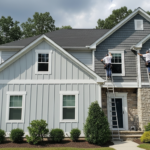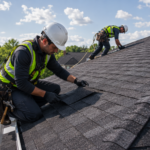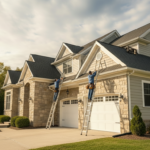
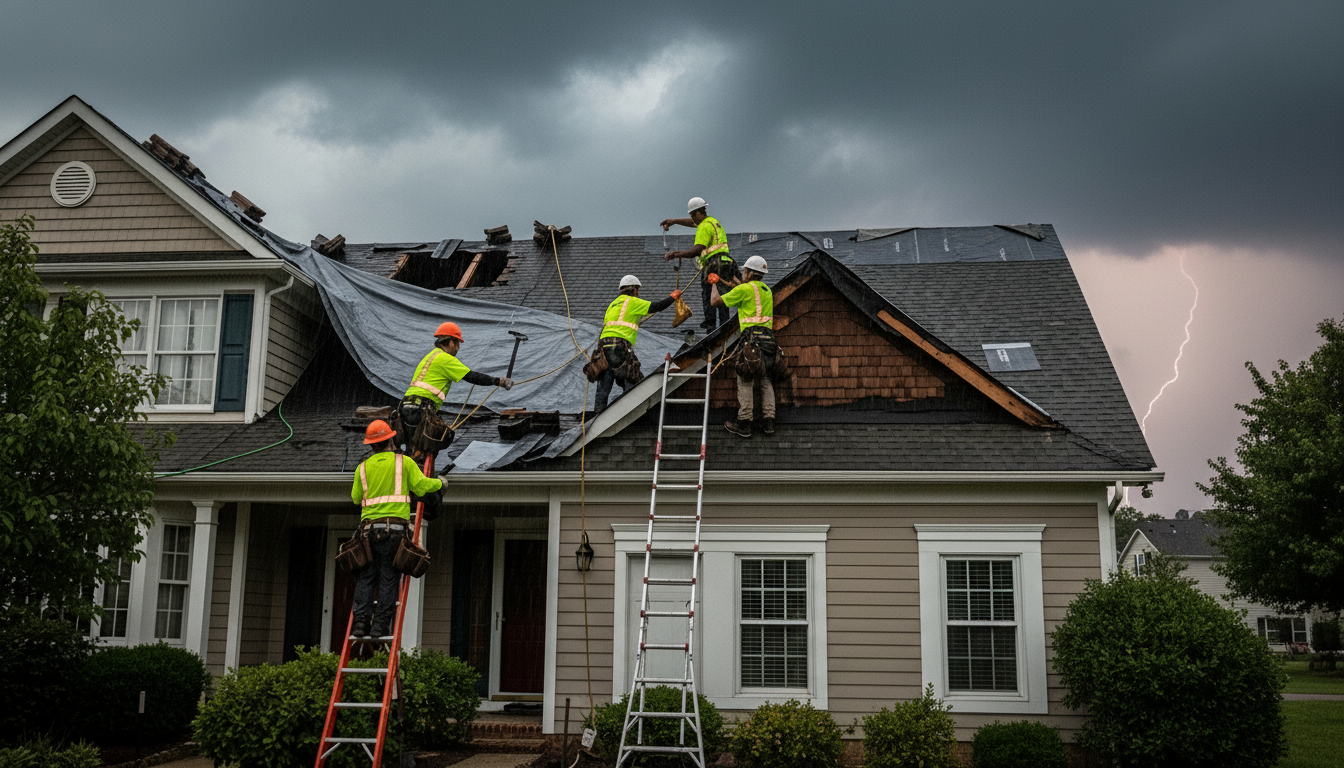
A damaged roof can quickly turn into a serious problem. Heavy rain, fallen branches, hail, or strong winds can create leaks and structural damage within minutes. That is why emergency roof repair is essential for protecting your home, belongings, and safety.
When roof damage is ignored, water intrusion can lead to mold growth, insulation damage, ceiling stains, and expensive structural repairs. Acting quickly helps minimize damage and reduces long-term repair costs.
In this guide, you will learn everything about emergency roof repair, including common causes, warning signs, temporary solutions, repair methods, costs, and tips for preventing future roofing emergencies.
What Is Emergency Roof Repair?
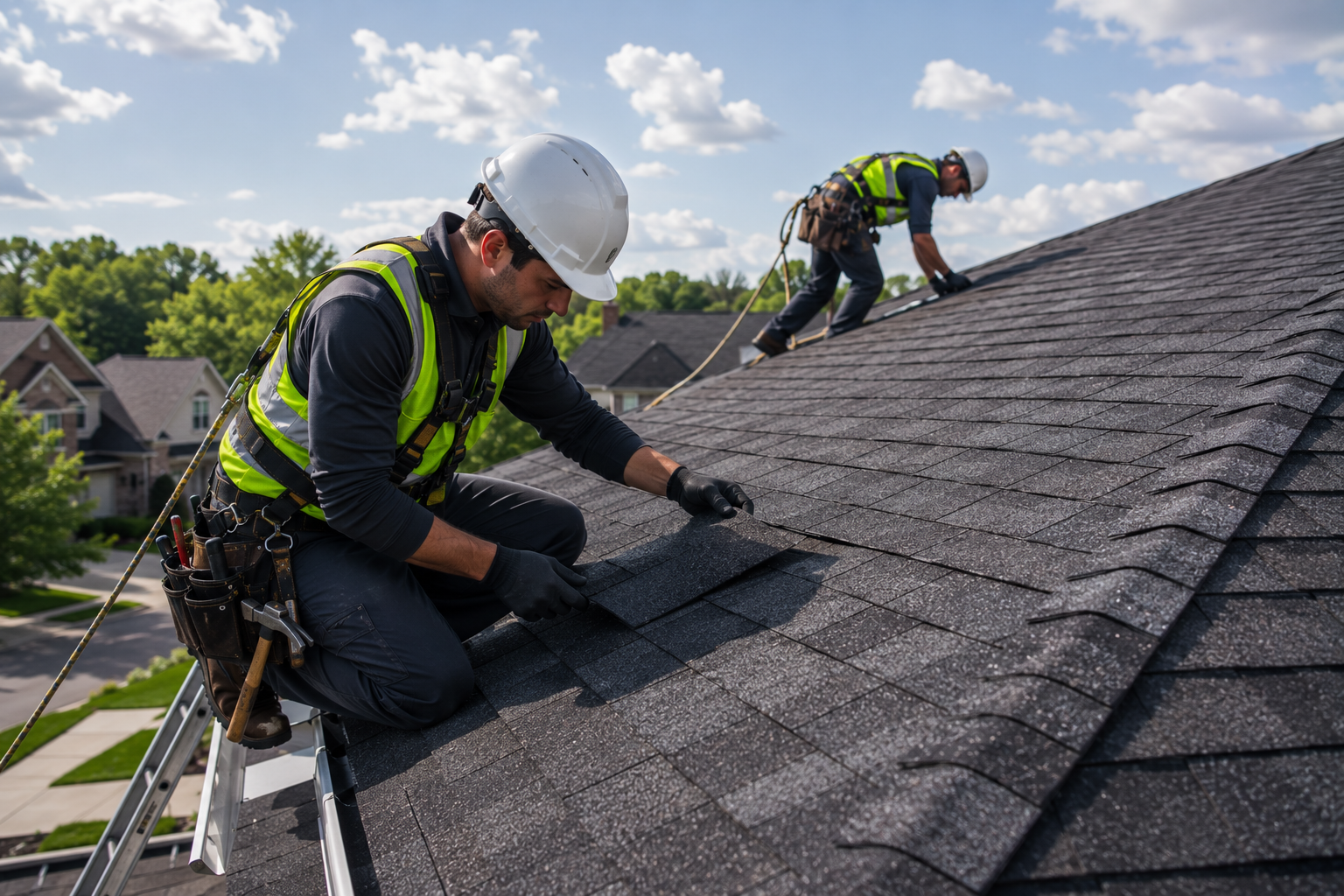
Emergency Roof repair refers to immediate roofing services performed after sudden or severe roof damage. These repairs are designed to stop active leaks, prevent additional damage, and stabilize the roof until permanent repairs or replacement can be completed.
Emergency roofing services are often needed after:
- Storm damage
- Fallen trees or branches
- Hail impact
- Fire damage
- Wind uplift
- Severe roof leaks
- Collapsed roofing sections
Roofing contractors usually provide 24/7 emergency services because roof problems can happen at any time.
Common Causes of Emergency Roof Damage
Understanding what causes roofing emergencies can help homeowners act quickly and prevent further issues.
Severe Storms
Strong winds, heavy rain, and thunderstorms can tear off shingles and expose the roof deck. Storms are one of the most common reasons homeowners need emergency roof repair services.
Hail Damage
Large hailstones can crack shingles, dent metal roofing, and weaken roofing materials. Even small hail damage can create hidden leaks.
Fallen Trees and Debris
Tree limbs or falling trees can puncture the roof and create major structural damage. This often requires immediate attention to prevent collapse or water intrusion.
Aging Roofing Materials
Old roofs are more vulnerable to sudden failure. Cracked shingles, deteriorated flashing, and weakened underlayment increase the risk of emergency leaks.
Flashing Failures
Roof flashing around chimneys, skylights, and vents can loosen over time. Once flashing fails, water can seep into the home quickly.
Ice Dams
In colder climates, ice dams can trap water on the roof, forcing moisture under shingles and causing leaks.
Signs You Need Emergency Roof Repair
Some roofing problems cannot wait. If you notice any of the following warning signs, contact an emergency roofing contractor immediately.
Active Water Leaks
Water dripping from ceilings or walls is one of the clearest signs of roof failure.
Missing or Lifted Shingles
Strong winds can remove shingles and expose the roof to rain and moisture.
Sagging Roof Areas
A sagging roof may indicate trapped water or structural weakening.
Mold or Mildew Smells
Moisture trapped inside walls or ceilings can create mold growth and unpleasant odors.
Visible Holes or Punctures
Impact damage from debris or fallen branches can create open holes in the roofing system.
Ceiling Stains
Brown or yellow stains on ceilings often indicate a hidden roof leak.
What to Do During a Roofing Emergency
Knowing how to respond during a roofing emergency can reduce property damage and improve safety.
Stay Safe First
Never climb onto a damaged roof during bad weather. Wet surfaces and structural instability can be dangerous.
Contain Interior Water Damage
Use buckets, towels, or plastic containers to collect leaking water. Move furniture and valuables away from affected areas.
Take Photos
Document the damage with photos and videos for insurance claims.
Call an Emergency Roofing Contractor
Professional roofers can assess the damage and perform temporary or permanent repairs quickly.
Use Temporary Protection
Roof tarps can help prevent additional water intrusion until repairs are completed.
Temporary Emergency Roof Repair Solutions
Temporary fixes help stabilize the roof until full repairs are possible.
Roof Tarp Installation
Roof tarps provide short-term protection against rain and debris. Contractors securely fasten tarps over damaged sections.
Emergency Leak Sealing
Roofing professionals may use sealants or patches to stop active leaks temporarily.
Debris Removal
Removing fallen branches or debris reduces pressure on the damaged roof.
Temporary Structural Support
If the roof structure is compromised, contractors may install temporary bracing for safety.
Professional Emergency Roof Repair Services
Professional roofing contractors provide comprehensive solutions for emergency situations.
Leak Detection
Experts locate the exact source of water intrusion, including hidden leaks.
Shingle Replacement
Damaged or missing shingles are replaced to restore weather protection.
Flashing Repair
Roof flashing around chimneys, vents, and skylights is repaired or replaced.
Roof Deck Repair
Water-damaged decking may need replacement to restore structural integrity.
Gutter and Drainage Repair
Clogged or damaged gutters can worsen leaks during storms. Emergency repairs often include drainage improvements.
Structural Repairs
Severe storm damage may require reinforcement of rafters, supports, or roof framing.
How Much Does Emergency Roof Repair Cost?
Emergency roof repair costs vary depending on the severity of the damage, roofing material, and labor requirements.
Factors Affecting Cost
- Size of the damaged area
- Roofing material type
- Extent of water damage
- Structural repairs needed
- Emergency service timing
- Roof accessibility
Average Repair Costs
Here are common emergency roofing repair price ranges:
| Repair Type | Estimated Cost |
|---|---|
| Minor Leak Repair | $150–$500 |
| Emergency Tarp Installation | $200–$800 |
| Shingle Replacement | $300–$1,000 |
| Flashing Repair | $200–$600 |
| Structural Roof Repair | $1,000–$10,000+ |
Severe damage may require a complete roof replacement.
Does Insurance Cover Emergency Roof Repair?
Homeowners insurance often covers emergency roof repair if the damage is caused by sudden events such as:
- Windstorms
- Hail
- Falling trees
- Fire
- Lightning
However, insurance may not cover damage caused by poor maintenance or normal wear and tear.
Tips for Insurance Claims
- Report the damage immediately
- Take detailed photos
- Save repair receipts
- Request a professional inspection
- Keep records of all communication
Working with an experienced roofing contractor can simplify the claims process.
How to Prevent Roofing Emergencies
Preventive maintenance can reduce the risk of costly roof damage.
Schedule Regular Roof Inspections
Professional inspections can identify small issues before they become emergencies.
Clean Gutters Frequently
Blocked gutters can cause water backup and roof leaks.
Trim Overhanging Trees
Tree branches can break during storms and damage the roof.
Replace Damaged Shingles Quickly
Minor roofing issues can worsen rapidly if ignored.
Check Flashing and Sealants
Inspect areas around vents, skylights, and chimneys regularly.
Improve Attic Ventilation
Proper ventilation helps prevent moisture buildup and ice dams.
Choosing the Right Emergency Roofing Contractor
Hiring the right contractor is critical during a roofing emergency.
Look for Licensed and Insured Roofers
Always choose contractors with proper licensing and insurance coverage.
Check Reviews and References
Online reviews and customer testimonials can help identify reliable roofing companies.
Ask About Emergency Availability
Choose a roofing contractor that offers 24/7 emergency services.
Request a Written Estimate
A detailed estimate helps avoid unexpected costs.
Verify Experience
Experienced roofing professionals can handle emergency situations more effectively.
Why Fast Roof Repair Matters
Delaying emergency Roof repair can lead to serious consequences, including:
- Mold growth
- Structural damage
- Electrical hazards
- Increased repair costs
- Interior water damage
- Reduced property value
Quick action protects your home and prevents small problems from becoming major repairs.
Final Thoughts
Emergency roof repair is essential when sudden roof damage threatens your home and safety. Whether the problem is caused by storms, fallen debris, leaks, or aging materials, immediate repairs help prevent extensive water damage and costly structural issues.
The best approach is to act quickly, contact a trusted roofing professional, and address the problem before it worsens. Regular roof maintenance and inspections can also help reduce the likelihood of future emergencies.
If you notice signs of roof damage, do not wait. Prompt emergency roof repair can save your home, protect your belongings, and restore peace of mind.