Rainwater can cause serious problems when it is not managed properly. Standing water, soil erosion, basement leaks, foundation damage, and landscape destruction are common issues many homeowners face. The good news is that the right rainwater drainage solutions can help protect your property, improve curb appeal, and prevent costly repairs.
Whether you deal with heavy rainfall, poor yard grading, or clogged Gutters, understanding effective drainage systems is essential. In this guide, we will explore the best rainwater drainage options, how they work, and how to choose the right solution for your property.
Why Rainwater Drainage Matters
When rainwater has nowhere to go, it collects around your home and creates long-term damage. Poor drainage can lead to:
- Foundation cracks
- Basement flooding
- Mold and mildew growth
- Lawn damage
- Soil erosion
- Mosquito breeding areas
- Damaged walkways and driveways
Installing proper drainage systems helps direct water safely away from your home and landscape.
Common Signs You Need Rainwater Drainage Solutions
You may need a drainage upgrade if you notice:
- Puddles in your yard after rain
- Water near your foundation
- Soggy grass that stays wet for days
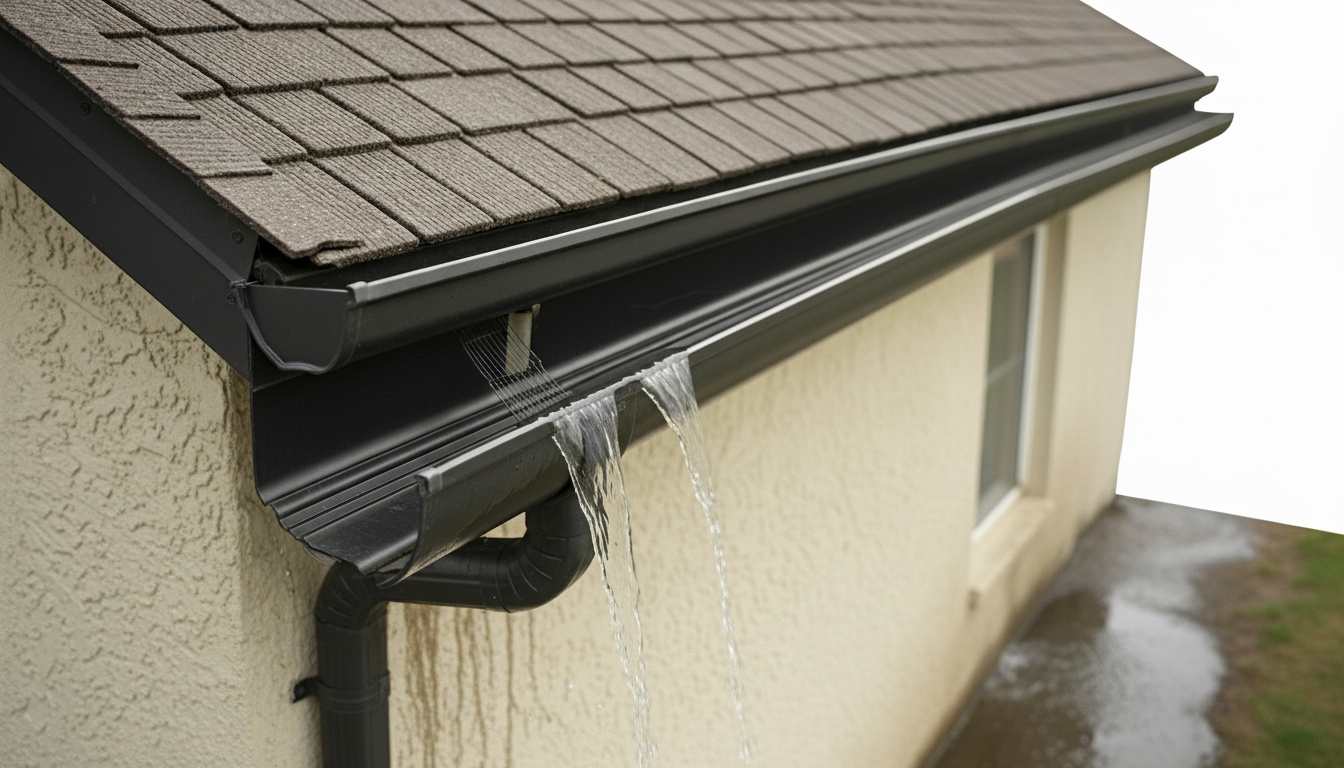
- Overflowing gutters
- Erosion around flower beds
- Damp basement walls
- Water stains on exterior walls
If these issues continue, it is time to consider professional Rainwater Drainage Solutions improvements.
Best Rainwater Drainage Solutions for Homes
There are several proven ways to control excess rainwater. The best choice depends on your yard, soil type, slope, and drainage problem.
1. Gutter and Downspout Systems
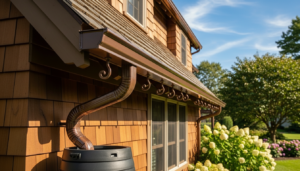
Gutters collect rainwater from the roof and channel it through downspouts away from the house. This is the first line of defense against water damage.
Benefits:
- Prevents roof runoff near the foundation
- Protects siding and landscaping
- Reduces soil erosion
Tips:
- Clean gutters regularly
- Install gutter guards
- Extend downspouts at least 5 to 10 feet away from the home
2. French Drains
A French drain is a trench filled with gravel and a perforated pipe that redirects underground water away from problem areas.
Best For:
- Soggy yards
- Water pooling near foundations
- Basement moisture issues
Advantages:
- Hidden underground
- Effective long-term drainage
- Low maintenance
French drains are one of the most popular residential drainage solutions.
3. Surface Drains
Surface drains collect water from patios, driveways, and low spots in the yard. These drains use grates to capture water and direct it into underground pipes.
Ideal For:
- Driveways
- Sidewalks
- Pool decks
- Flat yards
They quickly remove standing water after storms.
4. Dry Wells
A dry well is an underground structure that collects Rainwater Drainage Solutions and slowly releases it into the surrounding soil.
Benefits:
- Reduces runoff
- Prevents puddles
- Eco-friendly drainage option
Dry wells work well when paired with gutter downspouts.
5. Yard Grading
Sometimes the simplest solution is reshaping the slope of your yard. Proper grading ensures water flows away from the home instead of toward it.
Signs You Need Grading:
- Water collects near the house
- Uneven lawn areas
- Soil movement after storms
Professional grading can solve many drainage problems without installing complex systems.
6. Catch Basins
Catch basins are underground boxes with grated tops that collect debris and water. They connect to pipes that carry water away.
Great For:
- Large paved areas
- Heavy runoff zones
- Commercial and residential properties
Catch basins help prevent flooding and keep drainage pipes clear.
7. Rain Gardens
Rain gardens are landscaped depressions filled with plants that absorb rainwater naturally.
Benefits:
- Attractive landscaping feature
- Filters pollutants
- Reduces runoff
- Supports pollinators
This is one of the most sustainable rainwater drainage solutions available.
How to Choose the Right Rainwater Drainage Solution
Every property is different. Consider these factors before choosing a system:
1. Source of Water Problem
Is the water coming from the roof, driveway, slope, or underground saturation?
2. Property Slope
Flat yards often need drains, while sloped yards may need erosion control.
3. Soil Type
Clay soil drains slowly, while sandy soil absorbs water faster.
4. Budget
Some systems like grading are affordable, while French drains or catch basins may cost more.
5. Appearance
If you prefer hidden systems, choose underground Rainwater Drainage options.
DIY vs Professional Installation
Some minor drainage fixes can be handled by homeowners, such as:
- Cleaning gutters
- Adding downspout extenders
- Installing splash blocks
- Creating small swales
However, larger Rainwater Drainage Solutions problems often require professionals.
Hire a Drainage Expert For:
- French drain installation
- Yard regrading
- Foundation water issues
- Basement flooding
- Large standing water areas
Professionals can inspect your property and design the most effective system.
Maintenance Tips for Drainage Systems
Even the best systems need regular maintenance.
Keep Your Drainage Working Properly:
- Clean gutters twice a year
- Remove leaves from grates and drains
- Check downspouts for clogs
- Inspect yard slope after heavy rain
- Flush drainage pipes when needed
- Repair cracks or damaged components quickly
Routine care prevents bigger and more expensive issues later.
Cost of Rainwater Drainage Solutions
Costs vary depending on the size of the problem and the chosen system.
Average Price Ranges:
- Gutter cleaning: Low cost
- Downspout extensions: Affordable
- Yard grading: Moderate
- French drains: Moderate to high
- Catch basins: Moderate to high
- Full drainage redesign: Higher investment
While costs can vary, drainage improvements often save money by preventing water damage repairs.
Benefits of Installing Proper Drainage
Choosing the right rainwater drainage system offers many advantages:
- Protects foundation and basement
- Prevents standing water
- Preserves landscaping
- Increases property value
- Reduces mold risks
- Improves yard usability
- Prevents costly structural repairs
It is one of the smartest investments for any property owner.
Final Thoughts
Water problems rarely fix themselves. Ignoring runoff and drainage issues can lead to serious structural damage over time. The best rainwater drainage solutions depend on your property layout, soil, and water flow patterns.
From Gutters and French drains to grading and rain gardens, there are many effective ways to control rainwater and protect your home. If drainage issues are severe, consulting a professional can save time, money, and future headaches.
Investing in the right Rainwater Drainage Solutions solution today means a safer, healthier, and more valuable property tomorrow.